
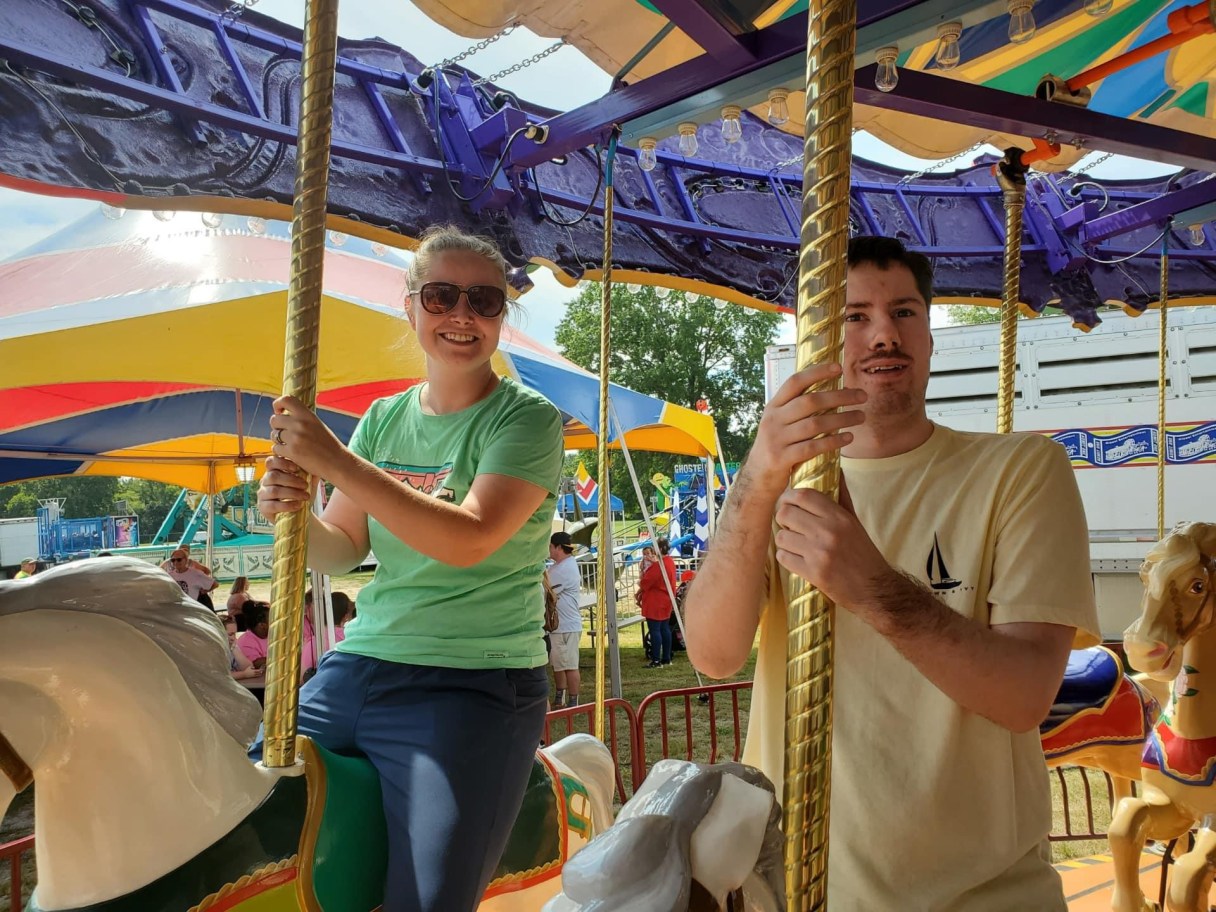
Caring for people with disabilities is second nature to Amy Seabolt. Her younger brother, Ben Derryberry, is nonverbal and has severe autism, and she often felt like his second mom, attending doctor and dental visits with him.
Growing up in the 1990s, Seabolt, 34, said times were occasionally hard, as people often didn’t understand what was going on with her brother. Severe autism can present itself as an inability to use spoken language, repetitive behaviors like violent rocking, an extreme sensitivity to things like crowds and bright lights, and more.
“People would stare, and people were less than kind at times,” she said in a phone interview. “I can remember a dentist and a doctor acting like he was contagious. Wouldn’t touch him. Wouldn’t get close to him.”
(READ MORE: Disability group gives Tennessee another ‘D’ on annual scorecard)