
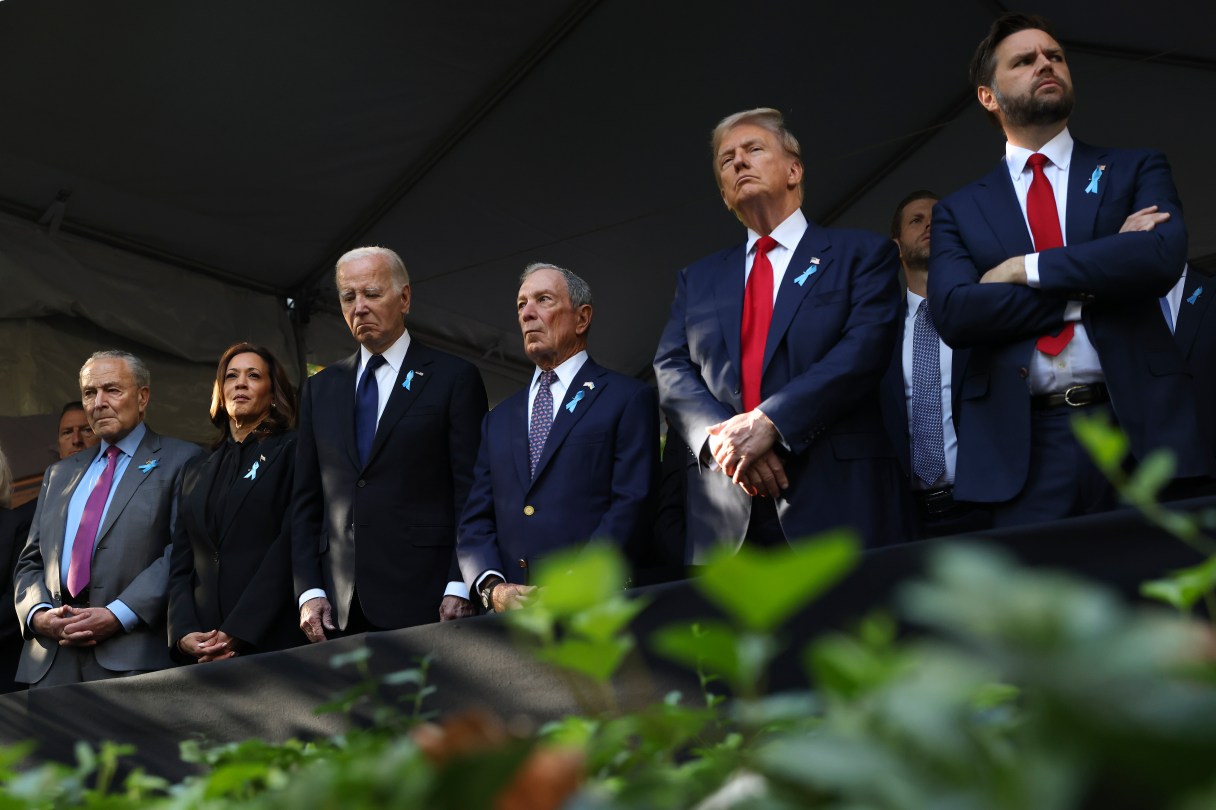
The results of the 2024 U.S. presidential election rattled the country and sent shockwaves across the world — or were cause for celebration, depending on who you ask. Is it any surprise then that the Merriam-Webster word of the year is “polarization”?
“Polarization means division, but it’s a very specific kind of division,” said Peter Sokolowski, Merriam-Webster’s editor at large, in an exclusive interview with The Associated Press ahead of Monday’s announcement. “Polarization means that we are tending toward the extremes rather than toward the center.”
The election was so divisive, many American voters went to the polls with a feeling that the opposing candidate was an existential threat to the nation. According to AP VoteCast, a survey of more than 120,000 voters, about 8 in 10 Kamala Harris voters were very or somewhat concerned that Donald Trump’s views — but not Harris’ — were too extreme, while about 7 in 10 Trump voters felt the same way about Harris — but not Trump.
The Merriam-Webster entry for “polarization” reflects scientific and metaphorical definitions. It’s most commonly used to mean “causing strong disagreement between opposing factions or groupings.” Merriam-Webster, which logs 100 million pageviews a month on its site, chooses its word of the year based on data, tracking a rise in search and usage.