

As President-elect Donald Trump prepares to return to the White House, he has repeatedly pledged to close the U.S. Department of Education — a plan Tennessee’s governor and other lawmakers have backed — but the details and ramifications of that plan remain unclear.
In the U.S., education is largely a state and local responsibility. The U.S. Department of Education provides funding to public schools to support certain groups of students and programs, administers federal student loan and grant programs and ensures compliance with civil rights laws. It does not dictate curriculum.
Closing the department would require congressional approval. The U.S. House of Representatives has a narrow Republican majority, and the Senate would need 60 votes to overcome filibusters, meaning some Democrats would also have to vote to shut the department.
“I just don’t see the votes there in either body to do a complete abolition of that,” U.S. Rep. Chuck Fleischmann, R-Ooltewah, said by phone. “Now, do I think they will reform it? Yes. Do I think that they will look at where they’re spending their dollars? Yes.”
Photo Gallery
Some Tennessee lawmakers back plan to close US Education Department but likelihood, impact remains uncertain


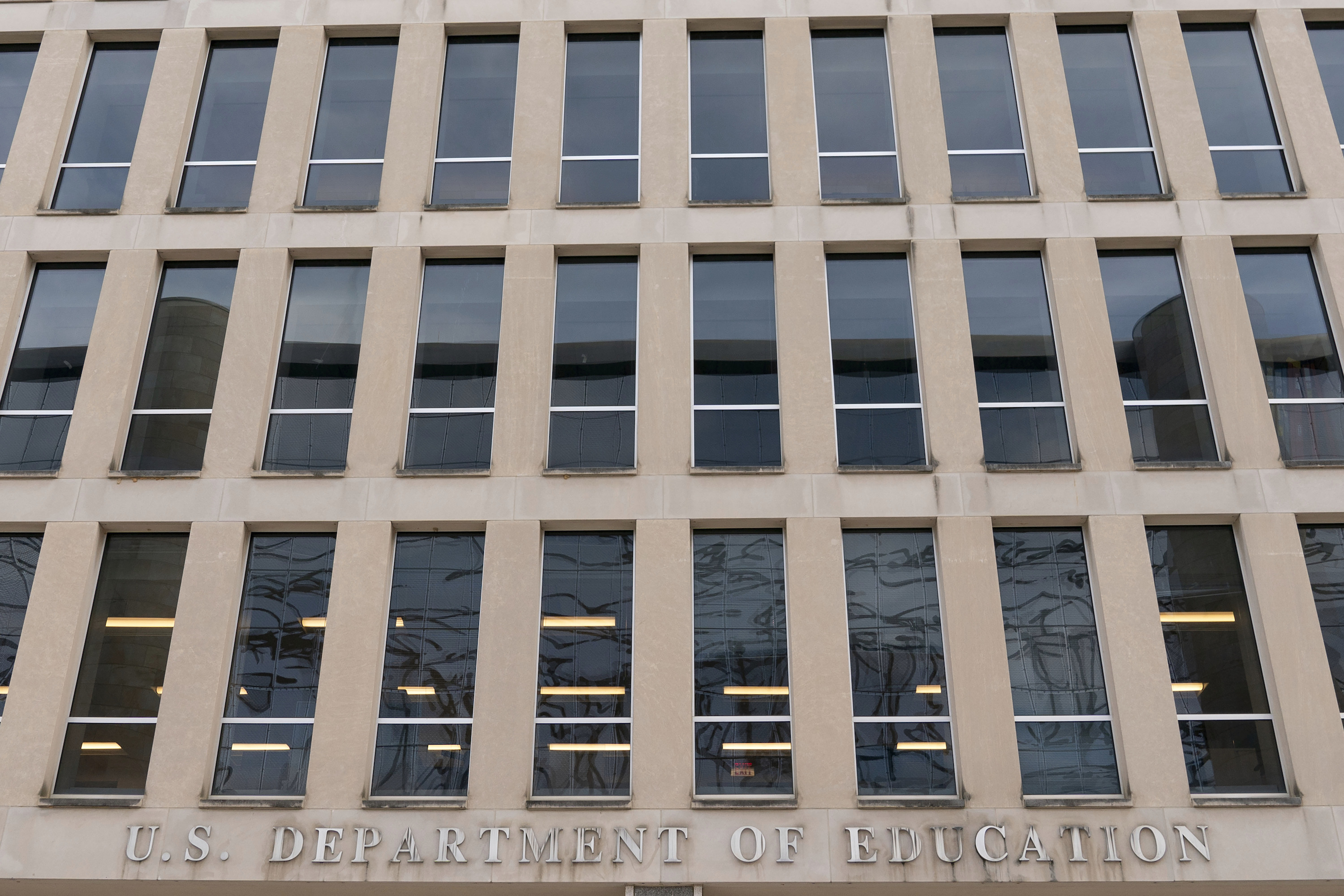


The Education Department was created in 1980 after Congress authorized the split of the Department of Health, Education and Welfare.