
CHARLOTTE, N.C. — The two teams suing NASCAR over an antitrust complaint were granted a preliminary injunction Wednesday that will allow them to compete with charters — and all the advantages that come with that status — during the 2025 Cup Series season.
U.S. District Court Judge Kenneth D. Bell said in his ruling, which favors 23XI Racing and Front Row Motorsports, that “NASCAR fans (and members of the public who may become fans) have an interest in watching all the teams compete with their best drivers and most competitive teams.”
NASCAR did not immediately respond to a request for comment from The Associated Press and has not said if it plans to appeal.
Both teams refused in September to sign nonnegotiable revenue-sharing offers made by NASCAR just 48 hours before the start of the 2024 season’s playoffs.
The two teams then filed an antitrust suit alleging NASCAR owners are “monopolistic bullies” but were denied in federal court in November a request to be recognized as “chartered” teams as the suit continues. A charter is essentially a franchise and guarantees prize money, a spot in the field at each points race and other protections.
With the injunction issued Wednesday in place, 23XI (co-owned by Joe Gibbs Racing driver Denny Hamlin, NBA legend Michael Jordan and longtime Jordan adviser Curtis Polk) and Front Row (owned by businessman Bob Jenkins) can sign the charter agreements and still pursue their lawsuit. They were also granted permission to purchase additional charters from Stewart-Haas Racing, which closed its four-team shop at the end of the 2024 season, and NASCAR must approve the transfers to those teams.
“YESSSSSSS!!!!!!!” Hamlin wrote on social media.
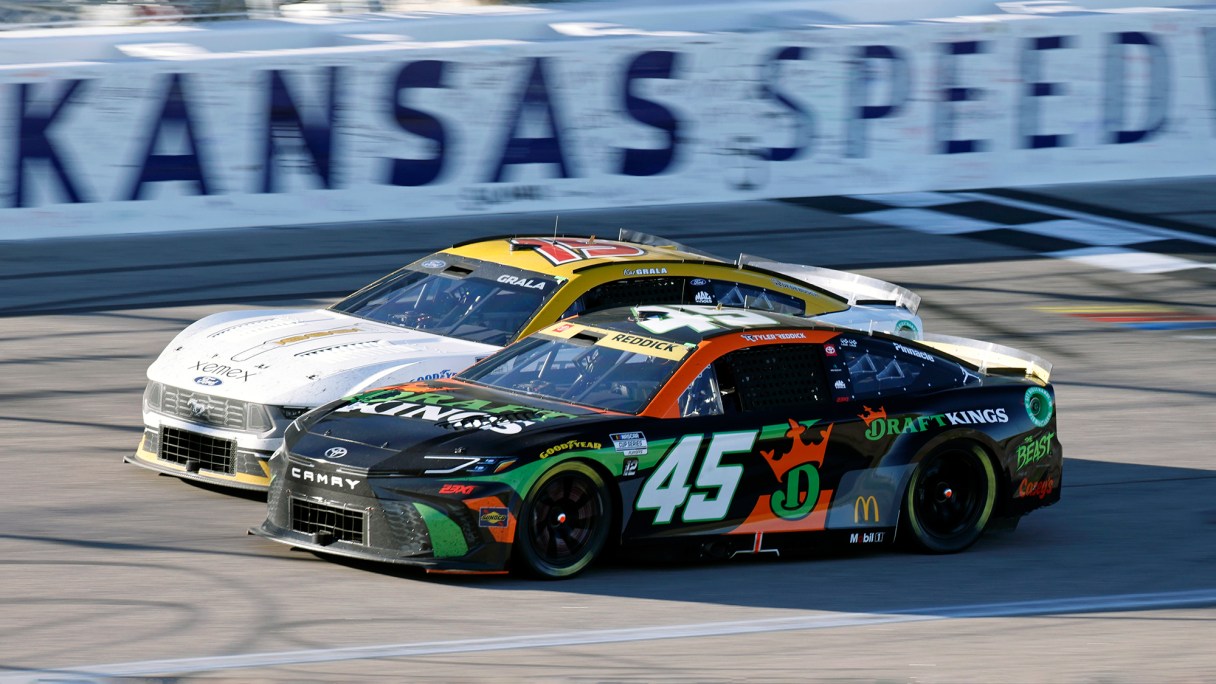
It was a much-needed victory for 23XI. Tyler Reddick, who finished fourth in the Cup Series standings this year after winning the regular-season championship, had an opt-out clause in his contract that would have gone into effect Wednesday and made the 28-year-old driver a free agent if the team did not land a charter for next season. Teammate Bubba Wallace, who has been with 23XI since its debut season in 2021, also informed the team he needed to know how it intended to compete “immediately” so he could explore options with other teams, the judge wrote.
Jordan has said he took the fight to court on behalf of all teams competing in the top motorsports series in the United States. NASCAR had argued that the two teams simply do not like the terms of the final charter agreement and asked for the lawsuit to be dismissed.
Both teams want to expand from two full-time cars to three, and they have agreements with SHR to purchase one charter each. SHR is now Haas Factory and has plans to use one charter in 2025 as owner Gene Haas will stay involved with Cup Series competition after former co-owner Tony Stewart, a NASCAR Hall of Fame driver, moved on to other pursuits.
Until Wednesday’s injunction, 23XI and Front Row would have been forced to compete next season as open teams that don’t have the same protections or financial gains that come from holding a charter. The teams contend they must be chartered under some of their contractual agreements with current sponsors and drivers, and that competing next year as open teams will cause significant losses.
Earlier this month, the suit was transferred to a different judge than the one who heard the first round of arguments and ruled against the two teams in their request for a temporary injunction to be recognized in 2025 as chartered teams as the case proceeds.
“Here, the public interest strongly favors entry of a limited preliminary injunction in favor of the Plaintiffs during the 2025 NASCAR race season, both to give fans of stock car racing the opportunity to watch (and root for and against) the full slate of teams and to allow Plaintiffs’ antitrust legal challenges to be considered,” Bell wrote.
Front Row’s Jenkins told The Associated Press in October that the two teams stood to miss out on $45 million in combined revenue if they competed without charters. He was willing to do so for Front Row because he believed the case against NASCAR was winnable.
NASCAR has been operating with 36 chartered teams and four open spots since the charter agreement began in 2016.
“The availability of multiple sports in the United States says nothing about NASCAR’s control of a major one of them in the same way that the availability of professional basketball and football did not lead to a finding that the NCAA was not a monopolist,” the judge wrote.