
WASHINGTON (AP) — When the Quadrantid meteor shower peaks on Friday, it will be the year’s first chance to see fireballs in the sky.
A waning crescent moon means good visibility under clear and dark conditions.
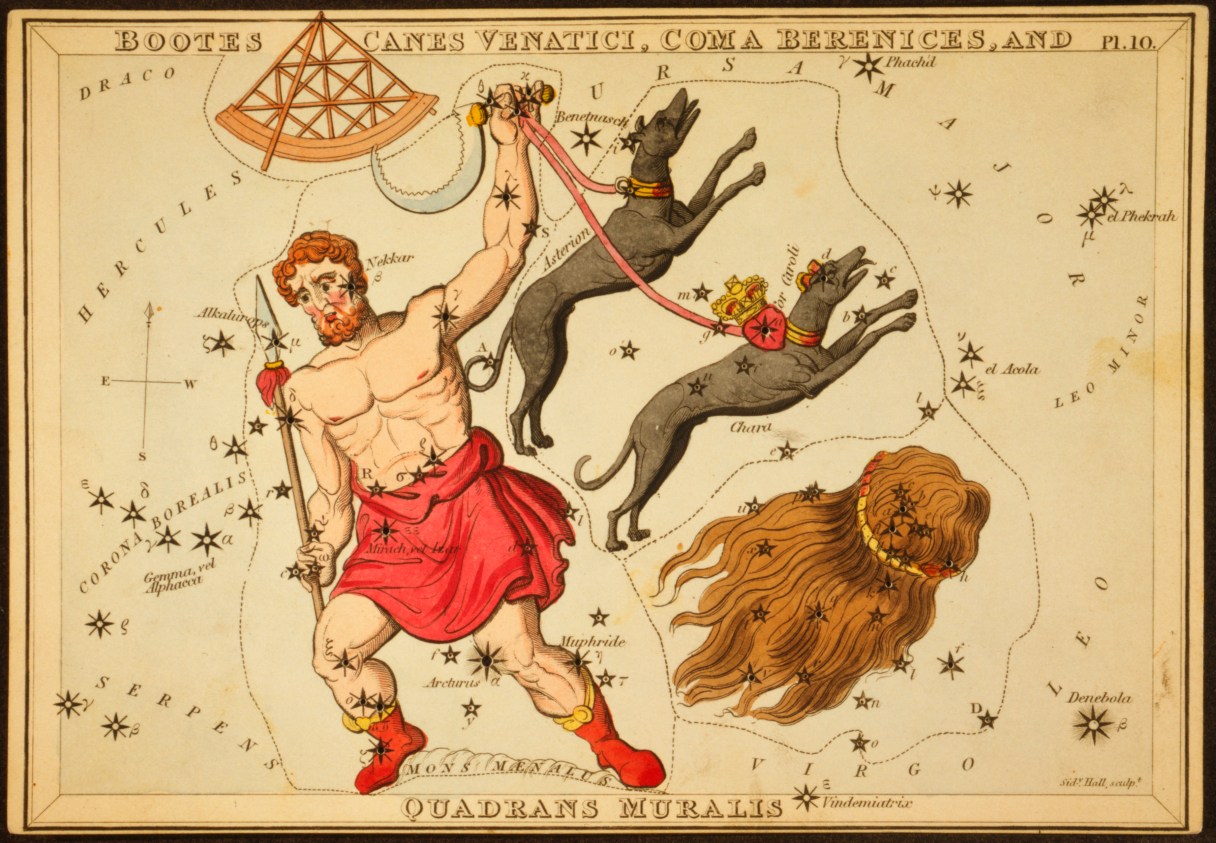
Most meteor showers are named for the constellations where they appear to originate from in the night sky. But the Quadrantids “take their name from a constellation that doesn’t exist anymore,” said NASA’s William Cooke.
These meteors usually don’t have long trains, but the heads may appear as bright fireballs. The peak may reveal as many as 120 meteors per hour, according to NASA.
Viewing lasts until Jan. 16. Here’s what to know about the Quadrantids and other meteor showers.