
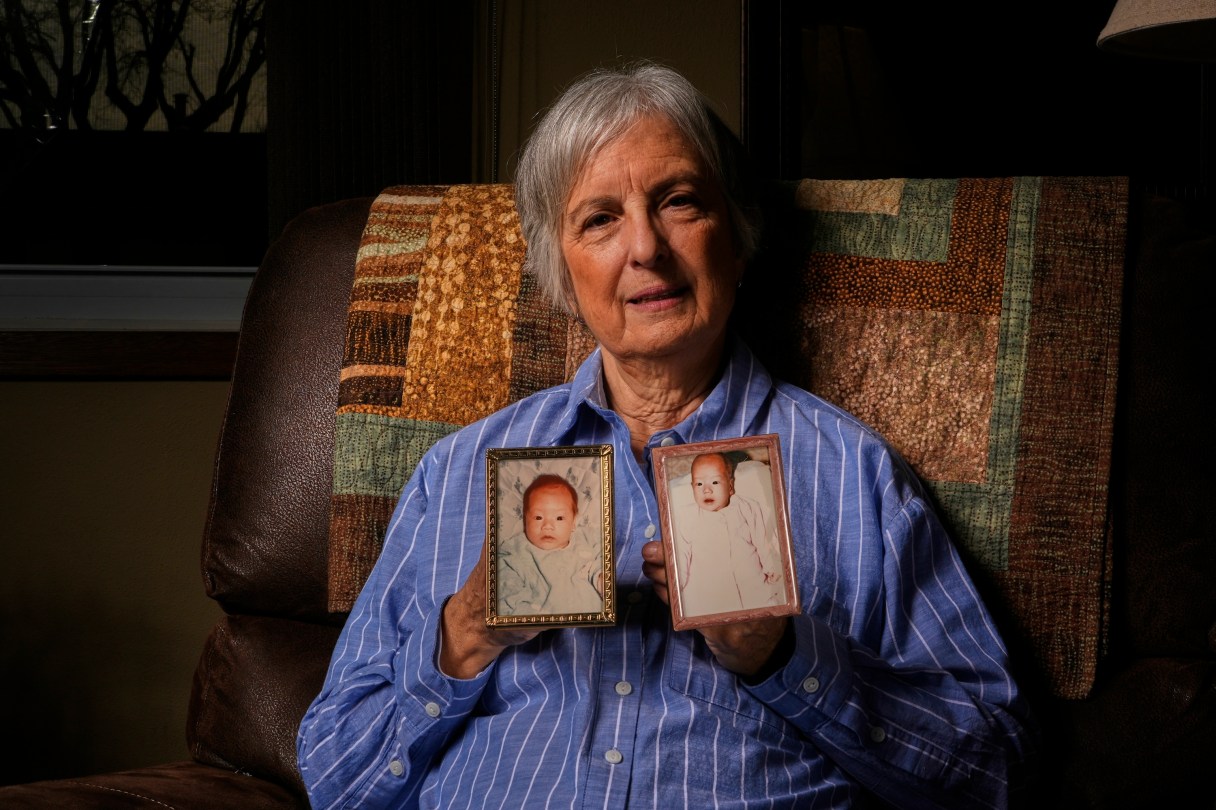
Her greatest fear, dormant for decades, came rushing back in an instant: had she adopted and raised a kidnapped child?
Peg Reif’s daughter, adopted from South Korea in the 1980s, had sent her a link to a documentary detailing how the system that made their family was rife with fraud: documents falsified, babies switched, children snatched off the street and sent abroad.
Reif wept.
She was among more than 120 who contacted The Associated Press this fall, after a series of stories and a documentary made with Frontline exposed how Korea created a baby pipeline, designed to ship children abroad as quickly as possible to meet Western demand. The reporting shook adoption communities around the world with details about how agencies competed for babies — pressuring mothers, bribing hospitals, fabricating documents. Most who wrote were adoptees, but some were adoptive parents like Reif, horrified to learn they had supported this system.
“I can’t stand the thought that somebody lost their child,” Reif said. “I can’t stop thinking about it. I don’t know how to make it right. I don’t know if I can.”