
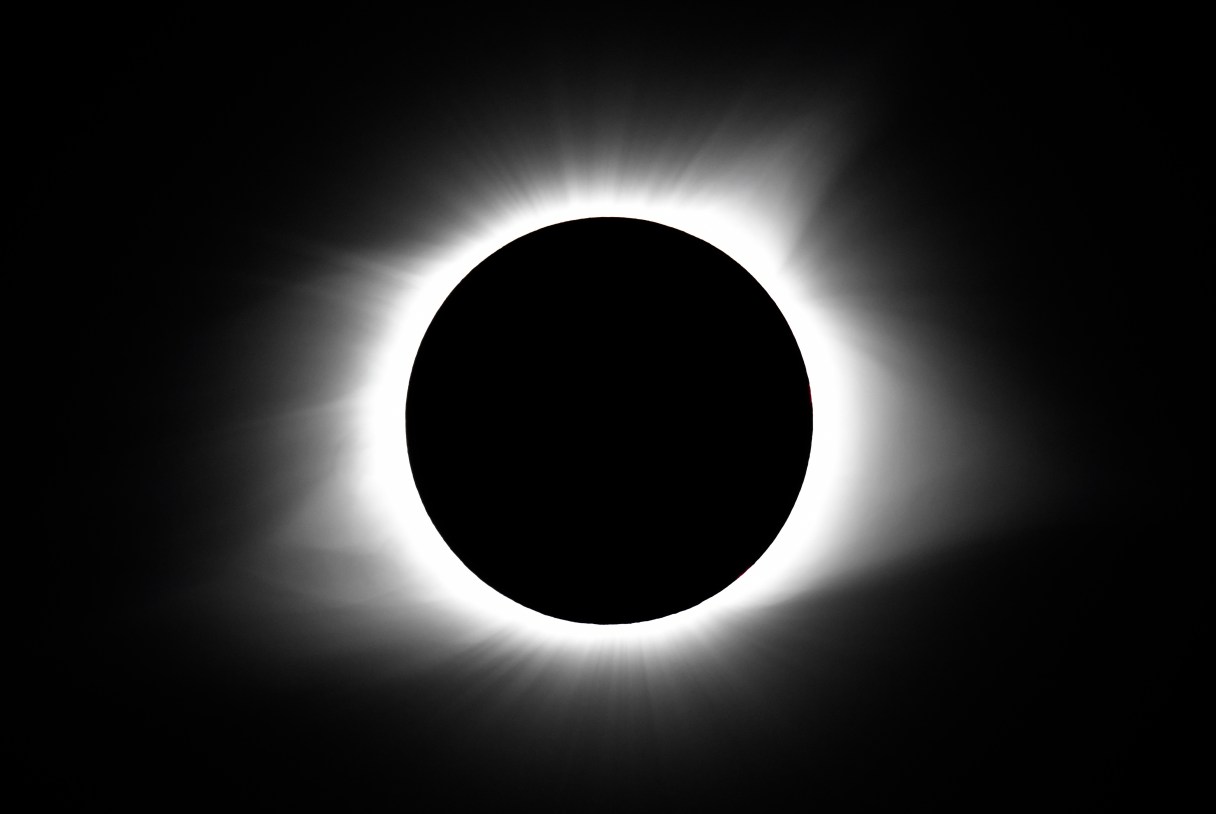
The sun is about to pull another disappearing act across North America, turning day into night during a total solar eclipse.
The peak spectacle on April 8 will last up to 4 minutes, 28 seconds in the path of total darkness — twice as long as the total solar eclipse that dimmed U.S. skies in 2017.
This eclipse will take a different and more populated route, entering over Mexico’s Pacific coast, dashing up through Texas and Oklahoma, and crisscrossing the Midwest, Mid-Atlantic and New England, before exiting over eastern Canada into the Atlantic.
An estimated 44 million people live inside the 115-mile-wide (185-kilometer-wide) path of totality stretching from Mazatlán, Mexico to Newfoundland; about 32 million of them are in the U.S., guaranteeing jammed roads for the must-see celestial sensation.
The eclipse will allow many to share in the “wonder of the universe without going very far,” said NASA’s eclipse program manager Kelly Korreck.