
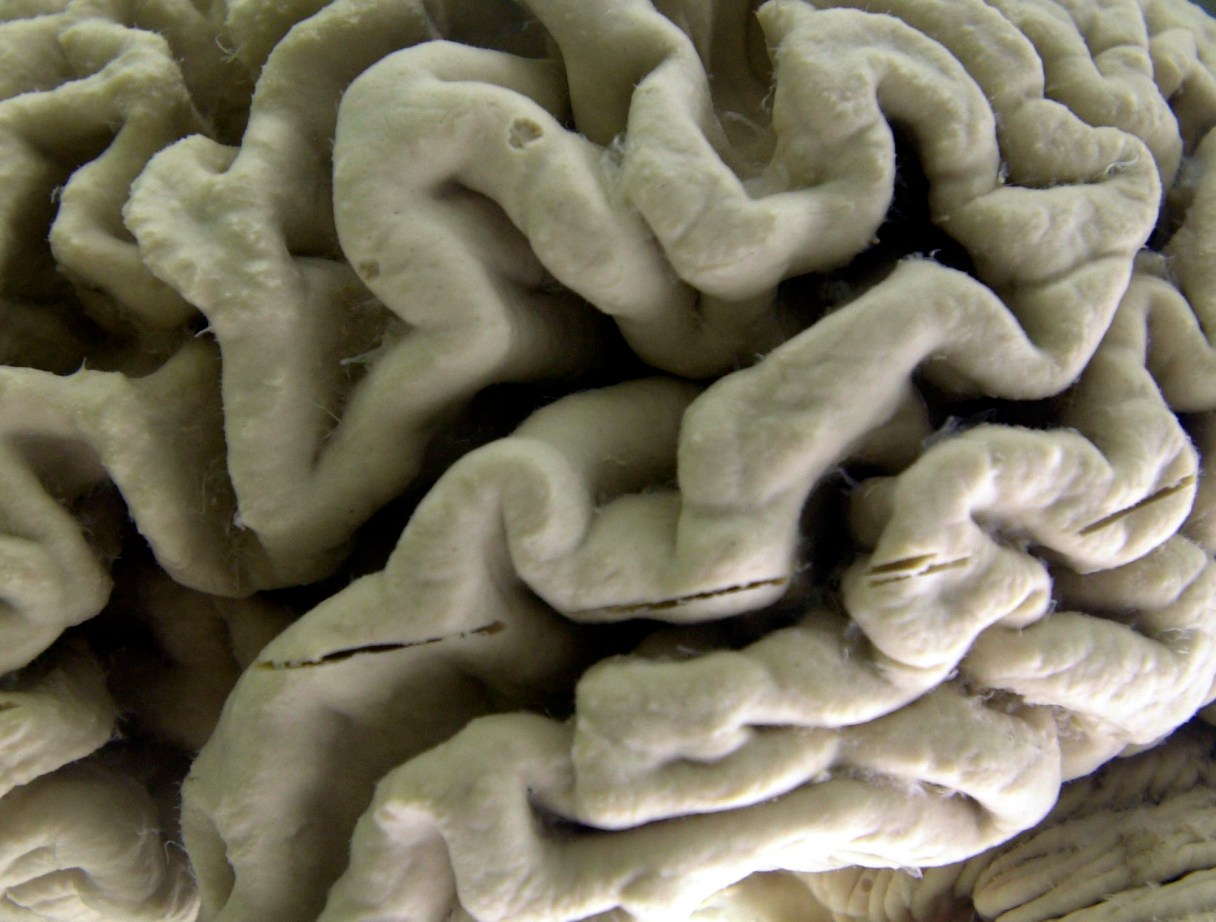
WASHINGTON (AP) — Alzheimer’s quietly ravages the brain long before symptoms appear and now scientists have new clues about the dominolike sequence of those changes — a potential window to one day intervene.
A large study in China tracked middle-aged and older adults for 20 years, using regular brain scans, spinal taps and other tests.
Compared to those who remained cognitively healthy, people who eventually developed the mind-robbing disease had higher levels of an Alzheimer’s-linked protein in their spinal fluid 18 years prior to diagnosis, researchers reported Wednesday. Then every few years afterward, the study detected another so-called biomarker of brewing trouble.
Scientists don’t know exactly how Alzheimer’s forms. One early hallmark is that sticky protein called beta-amyloid, which over time builds up into brain-clogging plaques. Amyloid alone isn’t enough to damage memory — plenty of healthy people’s brains harbor a lot of plaque. An abnormal tau protein that forms neuron-killing tangles is one of several co-conspirators.
The new research, published in the New England Journal of Medicine, offers a timeline for how those abnormalities pile up.