
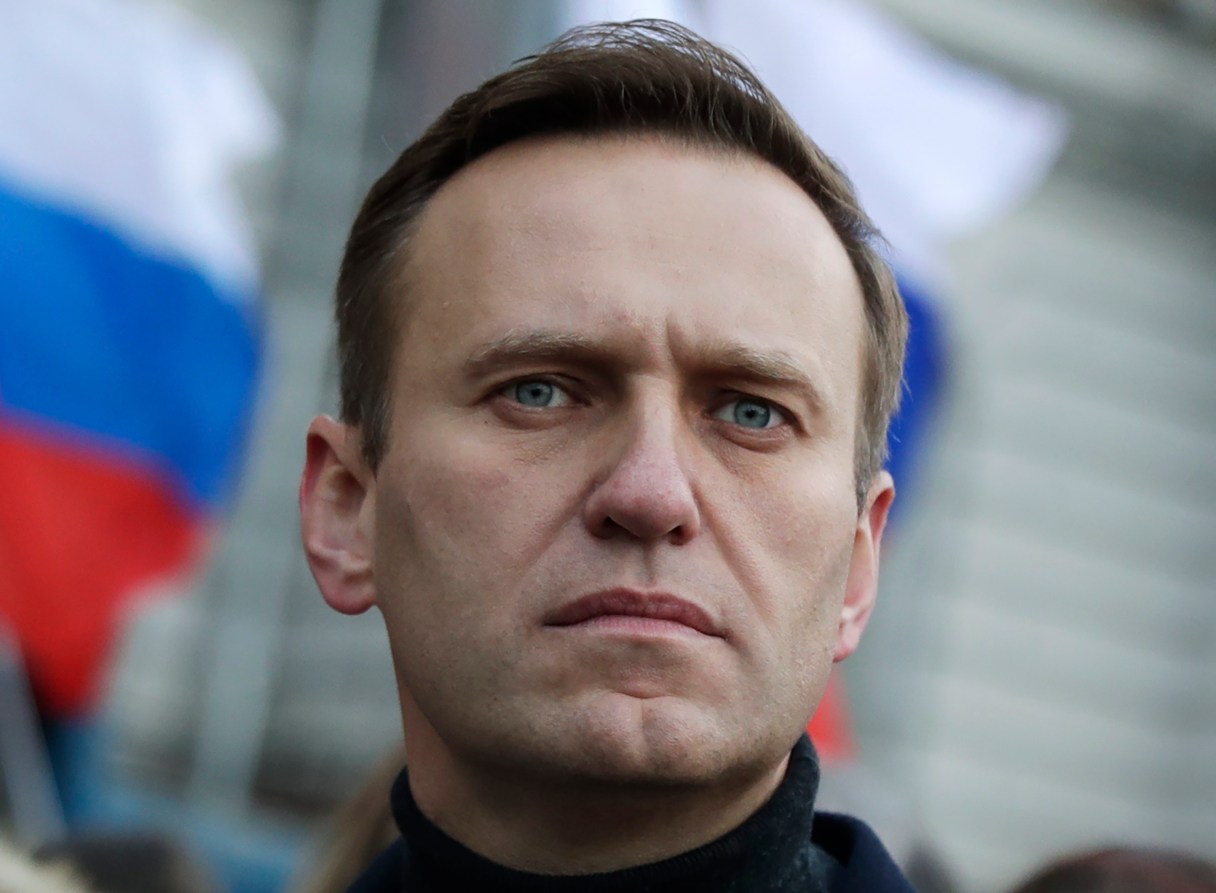
Alexei Navalny didn’t simply die. He wasn’t just murdered. He was tortured to death.
It didn’t happen on the rack or mid-beating, but Vladimir Putin — who had tried to eliminate him earlier — slowly killed Navalny all the same.
Putin sent the Russian dissident and anti-corruption activist to the gulag with the aim of grinding him down with hard labor, isolation, hunger and shabby medical care, until he died. Russia’s claims that he died from “sudden death syndrome,” even if true, change nothing, given that being poisoned with a Soviet-era nerve agent (2020) and thrown into an Arctic labor camp (2023) presumably increases one’s chances of falling prey to SDS.
The question of whether the timing of Navalny’s death was deliberate matters geopolitically but not morally.
Was Putin sending a message in advance of next month’s “election” in Russia? Does that message reflect confidence or insecurity? Was Putin buoyed by his recent military successes in Ukraine or his related political victories in the U.S. Congress?