
Saturday, November 7, 2026Nov 7

This story is exclusive to subscribers.

Black-owned ride-sharing service has been transporting Chattanoogans for decades

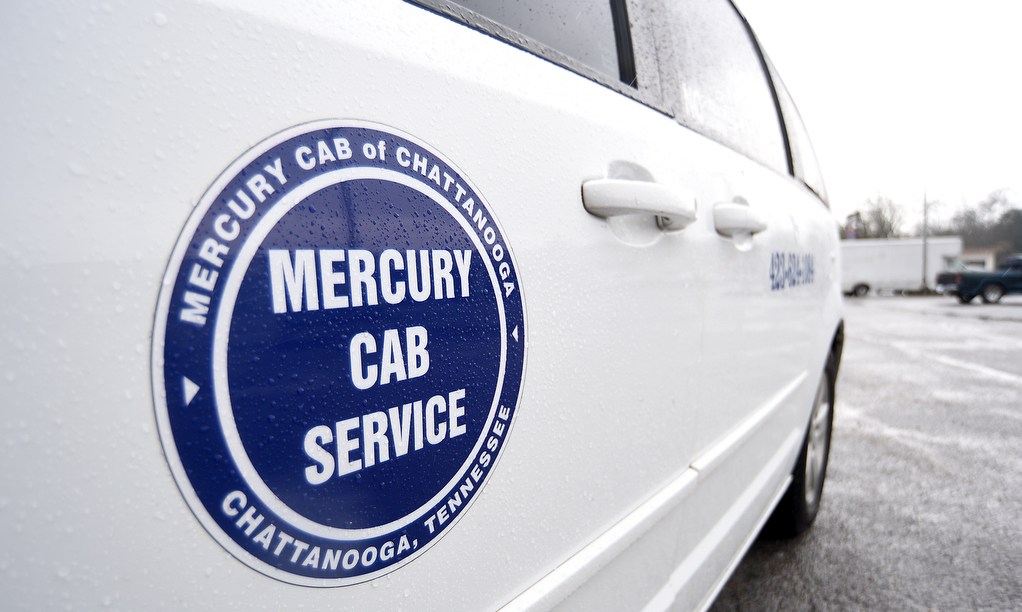
Staff photo by Matt Hamilton / Mercury Cab Service, started in the 1970s and still in business today, is a ride-sharing company that formed out of Chattanooga's jitney cab system, a service started by Black Chattanoogans in protest of segregation on the city's public transit. A Mercury cab is pictured Wednesday outside of the company's office in Brainerd.
Staff photo by Matt Hamilton / Mercury Cab Service, started in the 1970s and still in business today, is a ride-sharing company that formed out of Chattanooga's jitney cab system, a service started by Black Chattanoogans in protest of segregation on the city's public transit. A Mercury cab is pictured Wednesday outside of the company's office in Brainerd. Staff photo by Matt Hamilton / Mercury Cab Service, started in the 1970s and still in business today, is a ride-sharing company that formed out of Chattanooga's jitney cab system, a service started by Black Chattanoogans in protest of segregation on the city's public transit. A Mercury cab is pictured Wednesday outside of the company's office in Brainerd.

Note: This story was updated on Feb. 29 to correct the timing of integration for Chattanooga’s public transit system.

In the first half of the 20th century, when Jim Crow laws relegated Black Chattanoogans to second-class citizens, African American residents were forced to sit in the back of buses within the city’s public transit behind white residents.

Instead of accepting that second-class status, Black residents created a jitney cab system. According to the history of that era documented by the Bessie Smith Cultural Center, state law defined a jitney as “a self-propelling vehicle other than a streetcar traversing the public streets between certain definite points or termini.”

Those jitneys, operated independently by individual Black residents, would follow the segregated bus routes at the time and charge passengers, primarily Black residents, for a ride, said Elijah Cameron, the cultural center’s director of community relations and development, in an interview.

“We had these private cars that were owned by Blacks that actually started the jitney cabs,” Cameron said.