
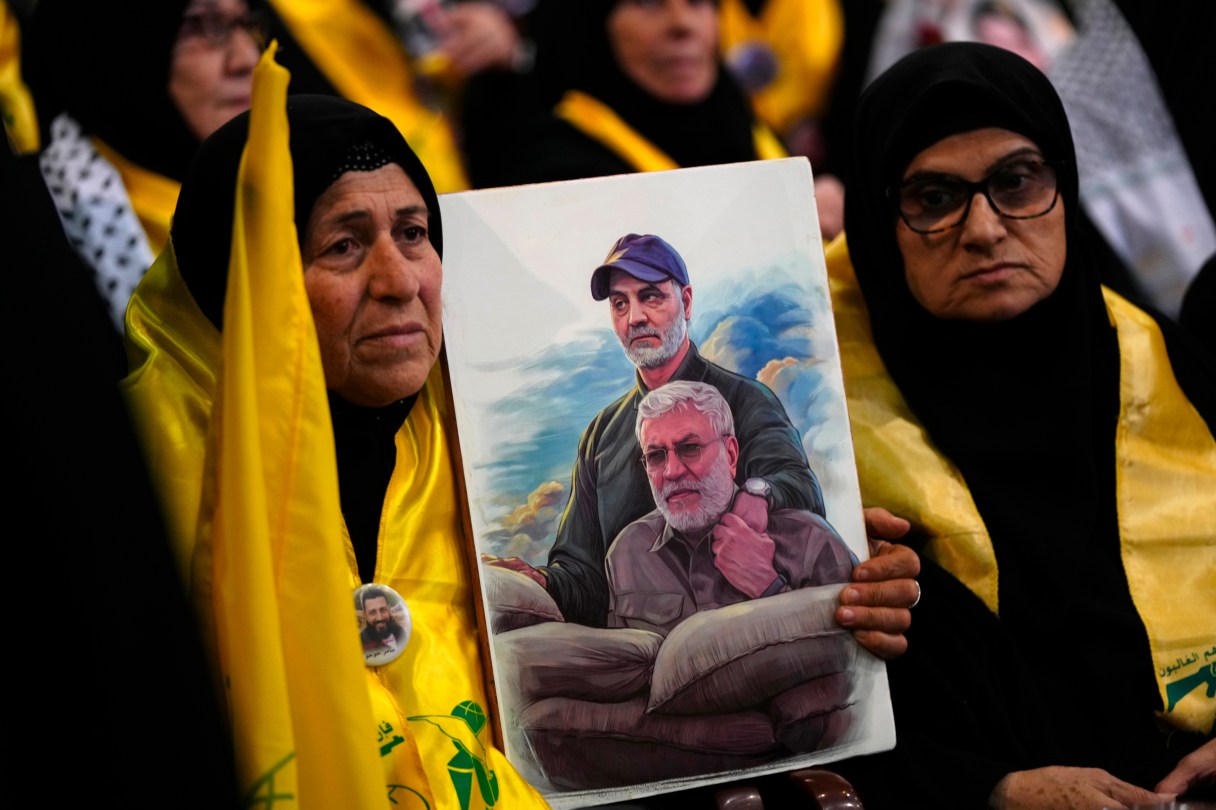
In the last week alone, Israel has killed a senior Hamas militant in an airstrike in Beirut, Hezbollah has struck a sensitive Israeli base with rockets, the United States has killed a militia commander in Baghdad and Iran-backed rebels in Yemen have traded fire with the U.S. Navy.
Each strike and counterstrike increases the risk of the already catastrophic war in Gaza spilling across the region. And in the decades-old standoff pitting the U.S. and Israel against Iran and allied militant groups, there are fears that any one party could trigger a wider war if only to avoid appearing weak.
The divisions within each camp add another layer of volatility: Hamas might have hoped its Oct. 7 attack would drag its allies into a wider war with Israel. Israelis increasingly talk about the need to change the equation in Lebanon — and on Monday an Israeli airstrike killed a Hezbollah commander — even as Washington aims to contain the conflict.
As the intertwined chess games grow ever more complicated, the potential for miscalculation rises.