
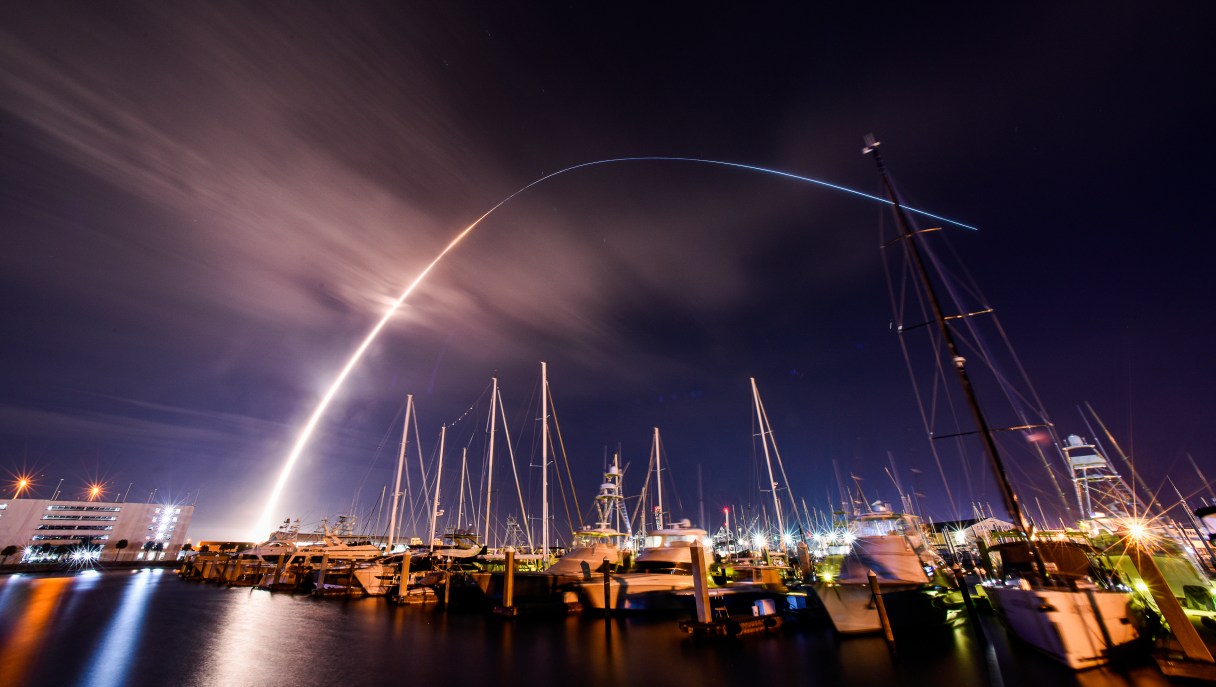
CAPE CANAVERAL, Fla. (AP) — The first U.S. moon landing attempt in more than 50 years appeared to be doomed after a private company’s spacecraft developed a “critical” fuel leak just hours after Monday’s launch.
Pittsburgh-based Astrobotic Technology managed to orient its lander toward the sun so the solar panel could collect sunlight and charge its battery, as a special team assessed the status of what was termed “a failure in the propulsion system.”
It soon became apparent, however, that there was “a critical loss of fuel,” further dimming hope for what had been a planned moon landing on Feb. 23.
Late Monday, the company said the leak was continuing and estimated that the lander would start losing solar power in about 40 hours.
The trouble was reported about seven hours after Monday’s predawn liftoff from Cape Canaveral Space Force Station. United Launch Alliance’s Vulcan rocket provided the lift for Astrobotic’s lander, named Peregrine, putting it on a long, roundabout path to the moon.