
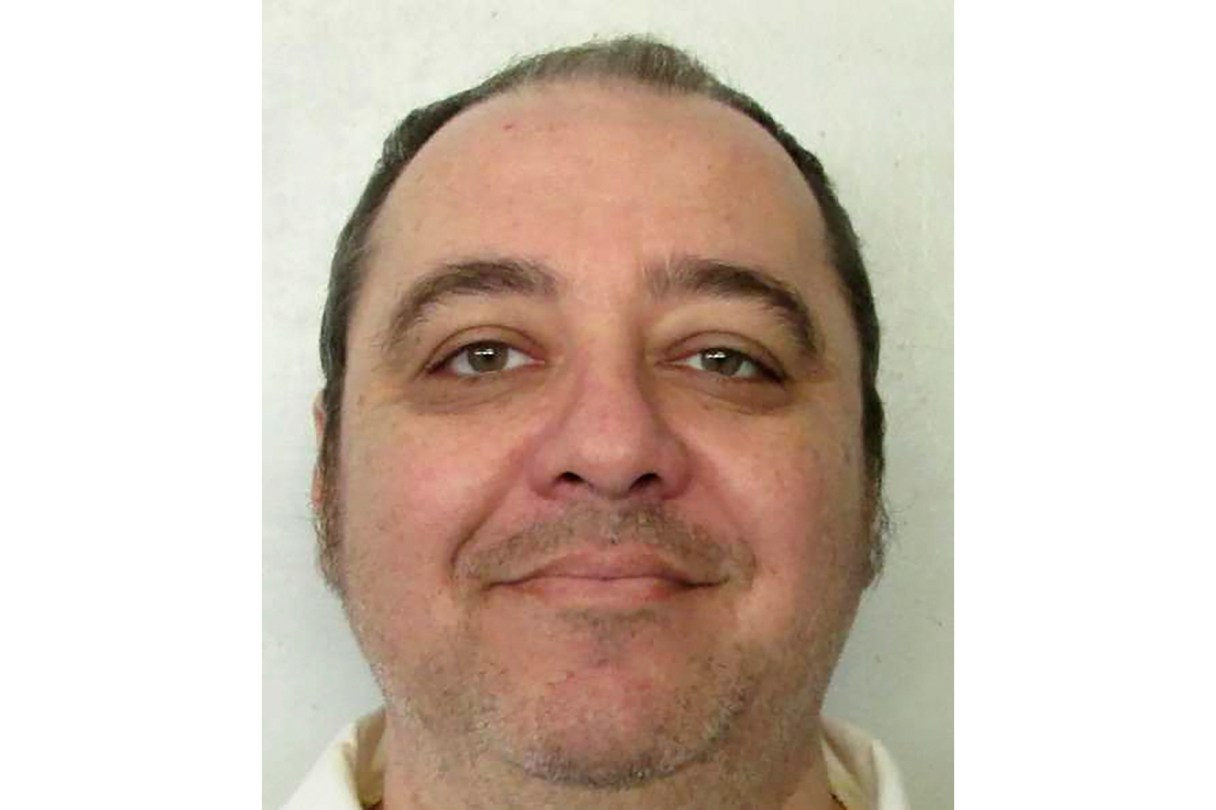
MONTGOMERY, Ala. (AP) — Alabama will be allowed to put an inmate to death with nitrogen gas later this month, a federal judge ruled Wednesday, clearing the way for what would be the nation’s first execution under a new method the inmate’s lawyers criticize as cruel and experimental.
U.S. District Judge R. Austin Huffaker rejected Alabama inmate Kenneth Eugene Smith’s request for an injunction to stop his scheduled Jan. 25 execution by nitrogen hypoxia. Smith’s attorneys have said the state is trying to make him the “test subject” for an untried execution method, and are expected to appeal the decision.
The question of whether the execution by nitrogen gas can ultimately proceed could end up before the U.S. Supreme Court.
The state’s plans call for placing a respirator-type face mask over Smith’s nose and mouth to replace breathable air with nitrogen, causing him to die from lack of oxygen. Three states — Alabama, Mississippi and Oklahoma — have authorized nitrogen hypoxia as an execution method, but no state has attempted to use it so far.
Smith, now 58, was one of two men convicted of the murder-for-hire slaying of a preacher’s wife in 1988 that rocked a small north Alabama community. Prosecutors said Smith and the other man were each paid $1,000 to kill Elizabeth Sennett on behalf of her husband, who was deeply in debt and wanted to collect on insurance.