
Monday, November 16, 2026Nov 16

How to stay healthy during cold, flu and COVID-19 season

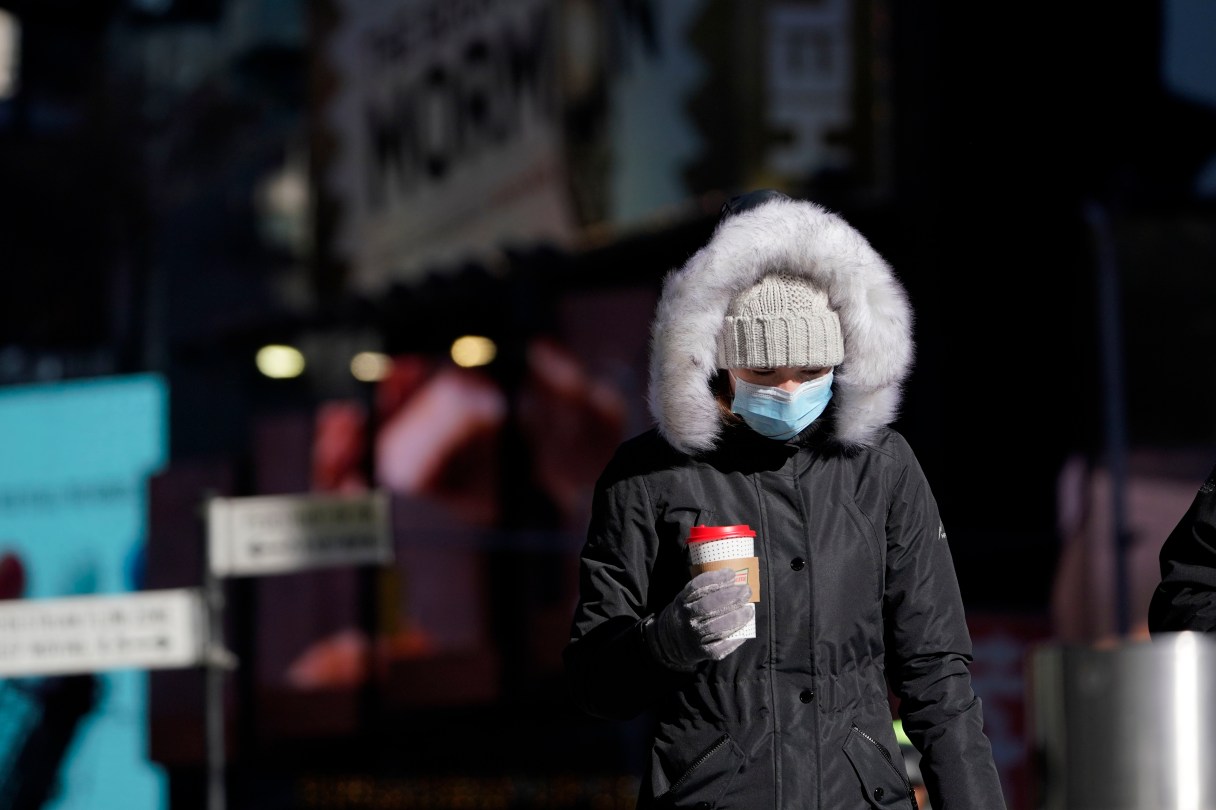
FILE - A pedestrian wears a heavy coat against the cold in New York, Tuesday, Jan. 11, 2022. January can be the worst month for respiratory illnesses and vaccination rates are low. When relatives, friends and co-workers are coming down with coughs, nasal congestion, fatigue and fever, keeping viruses at bay means thorough hand-washing, good ventilation and wearing a mask in crowded areas. (AP Photo/Seth Wenig, File)

Winter is here, inflicting its usual array of symptoms — coughs, nasal congestion, fatigue and fever — and, this year, a new COVID-19 variant is dominating the scoreboard.

COVID-19 is leading hospital admissions among the respiratory viruses, according to the U.S. Centers for Disease Control and Prevention.

Last week, 25 U.S. states had high or very high levels for respiratory illnesses with fever, cough and other symptoms. That’s down from 37 states the week before, the CDC said.

Since the beginning of October, there have been at least 16 million illnesses, 180,000 hospitalizations, and 11,000 deaths from flu so far this season. The CDC said 47 children have died of flu.

January can be the worst month for these illnesses. With vaccination rates low, what can you do to protect yourself from respiratory viruses, including influenza, COVID-19 and RSV?