
Monday, November 16, 2026Nov 16

Opinion: Empower hemp industry by legalizing cannabis

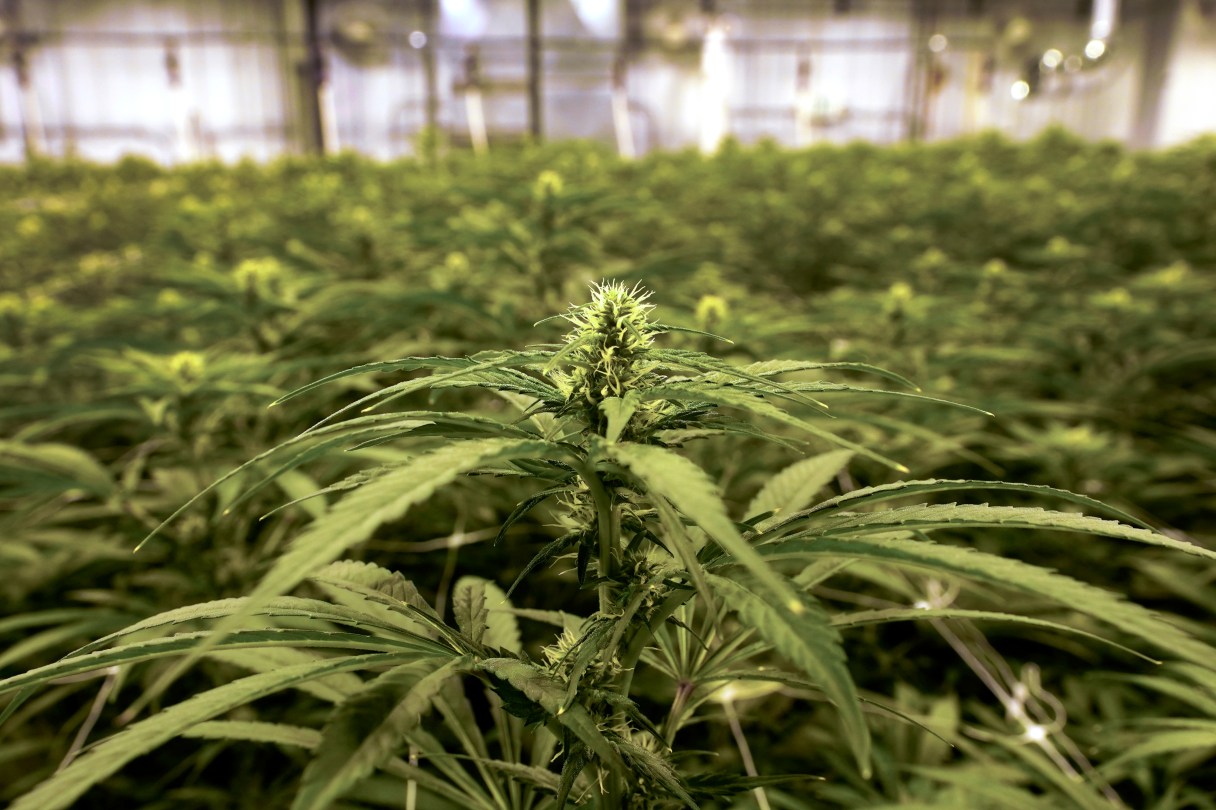
Cannabis plants growing at an indoor True North Collective facility are shown in Jackson, Mich., Wednesday, March 2, 2022. Over the past few years, Jonny Griffis has invested millions of dollars in his legal marijuana farm in northern Michigan, which produces extracts to be used in things like gummy bears and vape oils. But now that farm — like many other licensed grows in states that have legalized marijuana — faces an existential threat: high-inducing cannabis compounds derived not from the heavily regulated and taxed legal marijuana industry, but from a chemical process involving little-regulated, cheaply grown hemp. (AP Photo/Paul Sancya)

A set of proposed rules will have a negative impact on the sale of hemp, a growing industry that has potential to be a significant economic driver in Tennessee.

Last year state lawmakers passed a law that prohibits the sale of CBD and hemp products to anyone under the age of 21, and required that manufacturers and sellers to obtain a license from the Tennessee Department of Agriculture (TDA) by Jan. 1 of 2024. It also made it mandatory to put an expiration date and ingredients on cannabis products.

But this year, the state Department of Agriculture is preparing to add rules that will potentially throw the burgeoning hemp industry into a tailspin.

One of the most contentious rules will amplify the definition of THC (tetrahydrocannabinol, the main psychoactive ingredient in the cannabis plant) to include the percent of THCA (the naturally occurring cannabinoid in the cannabis plant).