
Unions commanded big headlines last year, but that didn’t translate into higher membership rates, according to government data released Tuesday.
The U.S. Bureau of Labor Statistics said 10% of hourly and salaried workers were members of unions in 2023, or around 14.4 million people. That is an all-time low, down from 10.1% of workers in 2022.
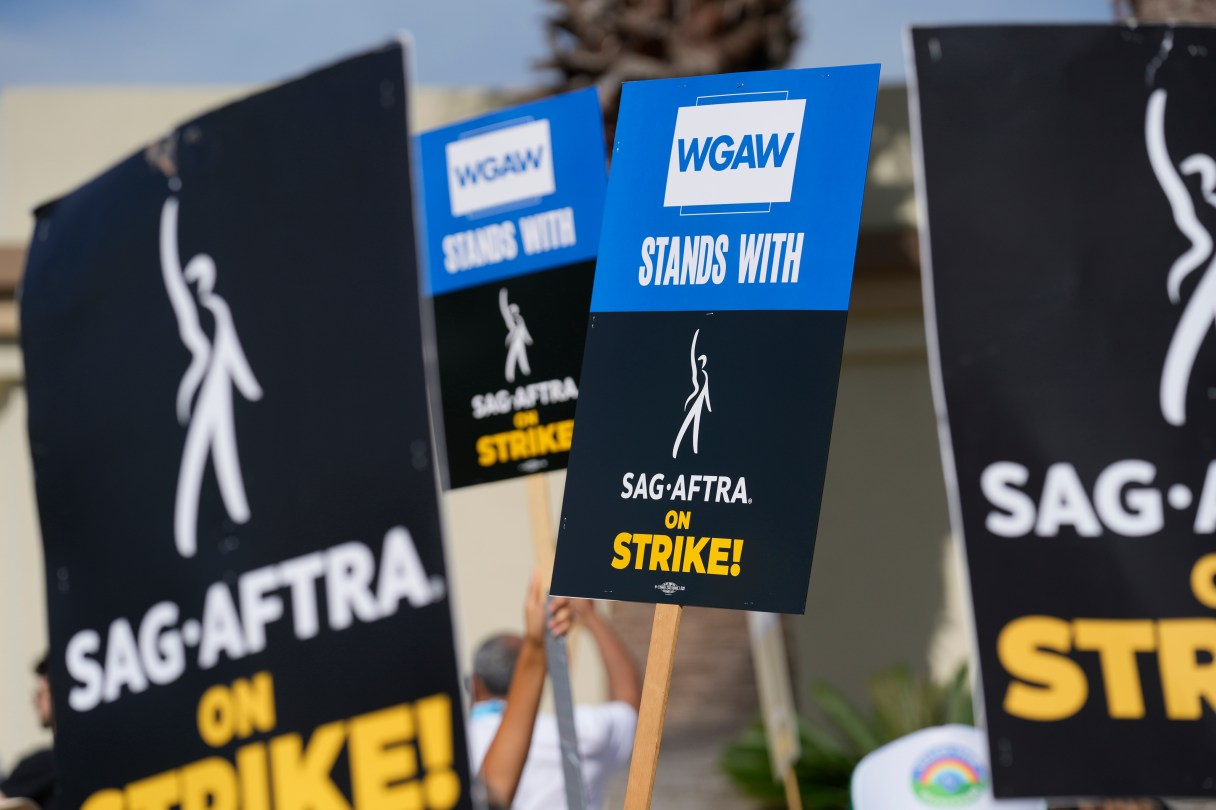
The number of unionized workers in the private sector increased by 191,000 to 7.4 million last year. That includes workers at auto companies, Las Vegas hotels and Hollywood studios, all of whom went through high-profile contract negotiations in 2023.
But the percent of unionized workers in the private sector – 6% — remained unchanged from the previous year, as unionization rates didn’t keep pace with overall hiring.
The unionization rate for public-sector employees, including government workers, teachers and police, was far higher, at 32.5%. But that sector didn’t see as much growth in employment. About 7 million public-sector workers were union members in 2023, which was unchanged from the year before.