
Monday, November 16, 2026Nov 16

What are the symptoms of an enlarged prostate and how is it treated?

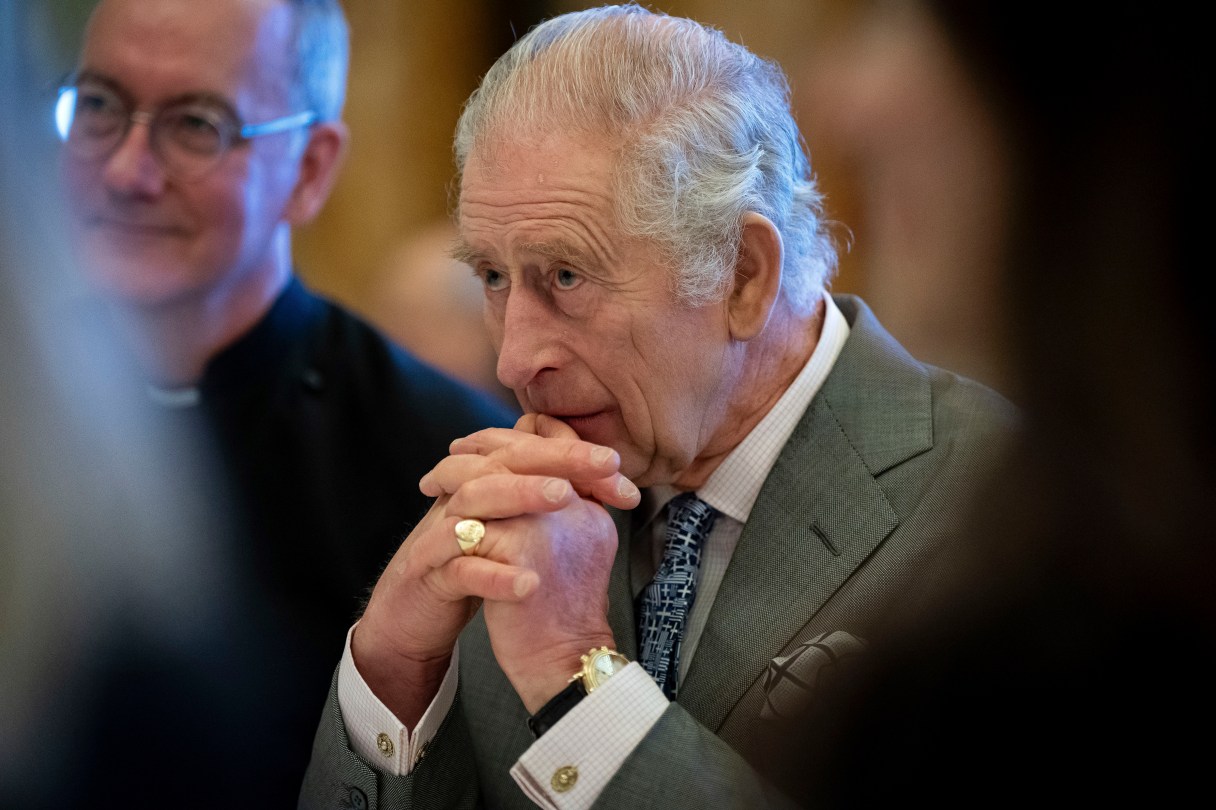
FILE - Britain's King Charles III hosts a gathering of young UK community and faith leaders to discuss the challenges their communities face, at Buckingham Palace, in London, Dec. 13, 2023. King Charles III has arrived at a private London hospital to undergo a “corrective procedure” for an enlarged prostate, Buckingham Place said Friday Jan. 26, 2024. (Aaron Chown/Pool Photo via AP, File)

The announcement that King Charles III was admitted to a private hospital Friday to undergo a procedure for an enlarged prostate has sparked interest in what is an extremely common condition among older men.

The 75-year-old monarch is in good company. About half of men in their 50s have enlarged prostates and that prevalence climbs to more than 80% of men by the time they reach age 80.

It’s a common result of aging, said Dr. Stephen Nakada, a University of Wisconsin urologist.

“It’s like getting gray hair,” Nakada said.

An enlarged prostate doesn’t always cause symptoms, but when it does, they can be annoying. And some men have more trouble than others.