
Q: I’ve been struggling with sleep-related issues for quite some time now, and it’s starting to affect my daily life. I have a very hard time falling asleep at night. What might be causing my sleep disturbances?
A: I understand how challenging it can be to deal with persistent sleep disturbances, and I’m here to offer some insights and suggestions to help you improve your sleep quality. There are a few potential reasons for your sleep difficulties and some recommendations to consider.
High stress levels or anxiety can significantly affect sleep. Practice relaxation techniques such as deep breathing, meditation or yoga before bedtime to help calm your mind.
Ensure your bedroom is conducive to sleep. Keep the room dark, quiet and cool. Consider investing in a comfortable mattress and pillows.
Limit exposure to screens (phones, tablets, computers) at least an hour before bedtime. The blue light emitted by screens can interfere with your body’s production of melatonin, a sleep-inducing hormone.
Reduce or eliminate caffeine intake, especially in the hours leading up to bedtime. Be mindful of hidden sources of caffeine in certain medications and beverages.
Establish a consistent sleep schedule by going to bed and waking up at the same time every day, even on weekends. This helps regulate your body’s internal clock.
Engage in regular physical activity during the day, but avoid intense exercise close to bedtime. Regular exercise can promote better sleep.
If your sleep problems persist despite these efforts, consider seeking professional help. A health care provider can evaluate your situation, conduct necessary tests and recommend appropriate interventions or treatments.
Remember, everyone’s sleep needs are different, so it may take some time to find what works best for you. If your symptoms persist or worsen, don’t hesitate to reach out to a health care professional for personalized advice.
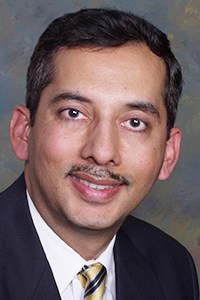
Dr. Anuj Chandra is a sleep medicine specialist with Advanced Center for Sleep Disorders and a member of the Chattanooga-Hamilton County Medical Society.