
NASHVILLE, Tenn. (AP) — Four anti-abortion activists who were convicted in January on felony conspiracy charges for their roles in a 2021 Tennessee clinic blockade were sentenced this week to terms ranging from 6 months in prison to three years of supervised release. The sentences were below those asked by prosecutors, and U.S. District Judge Aleta Trauger said she took into account the good works of the defendants in their communities.
While the judge recognized their actions were based on sincerely held religious beliefs, she said that was not an excuse to break the law. The defendants used their religious fervor to “give themselves permission to ignore the pain they caused other people and ignore their own humanity,” Trauger said.
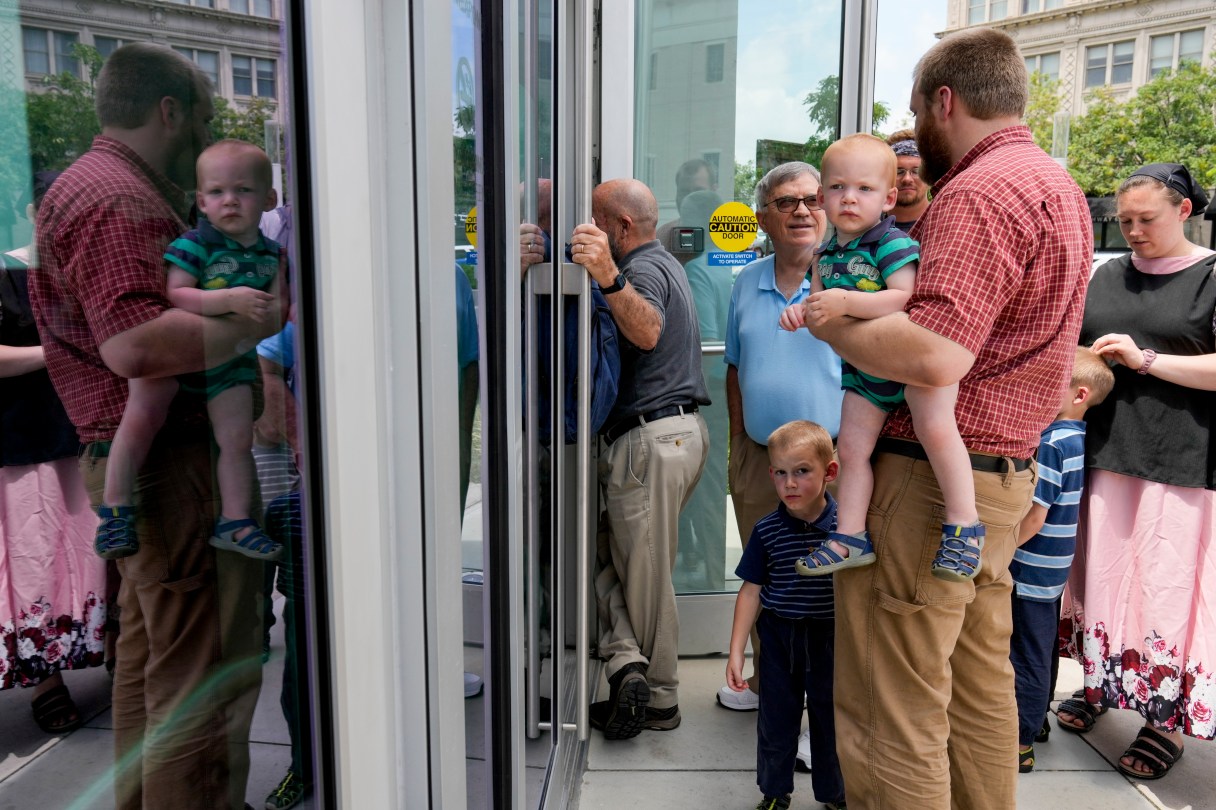
Around 200 supporters, including many parents with children, rallied and prayed outside the federal courthouse in Nashville before the sentencing hearings Tuesday and Wednesday. They also packed a courtroom where the proceedings were relayed over a livestream, filling the benches and spilling onto the floor and into the hallway.
The convictions stem from a blockade at the Carafem reproductive health clinic in Mount Juliet, Tennessee, a town 17 miles (27.36 kilometers) east of Nashville, nearly a year before the U.S. Supreme Court overturned Roe v. Wade. The organizers used social media to promote and livestream actions they hoped would prevent the clinic from performing abortions, according to testimony. They also intended the video as a training tool for other activists, Trauger found.
At the time, abortion was still legal in Tennessee. It is now banned at all stages of pregnancy under a law that has very narrow exemptions.