
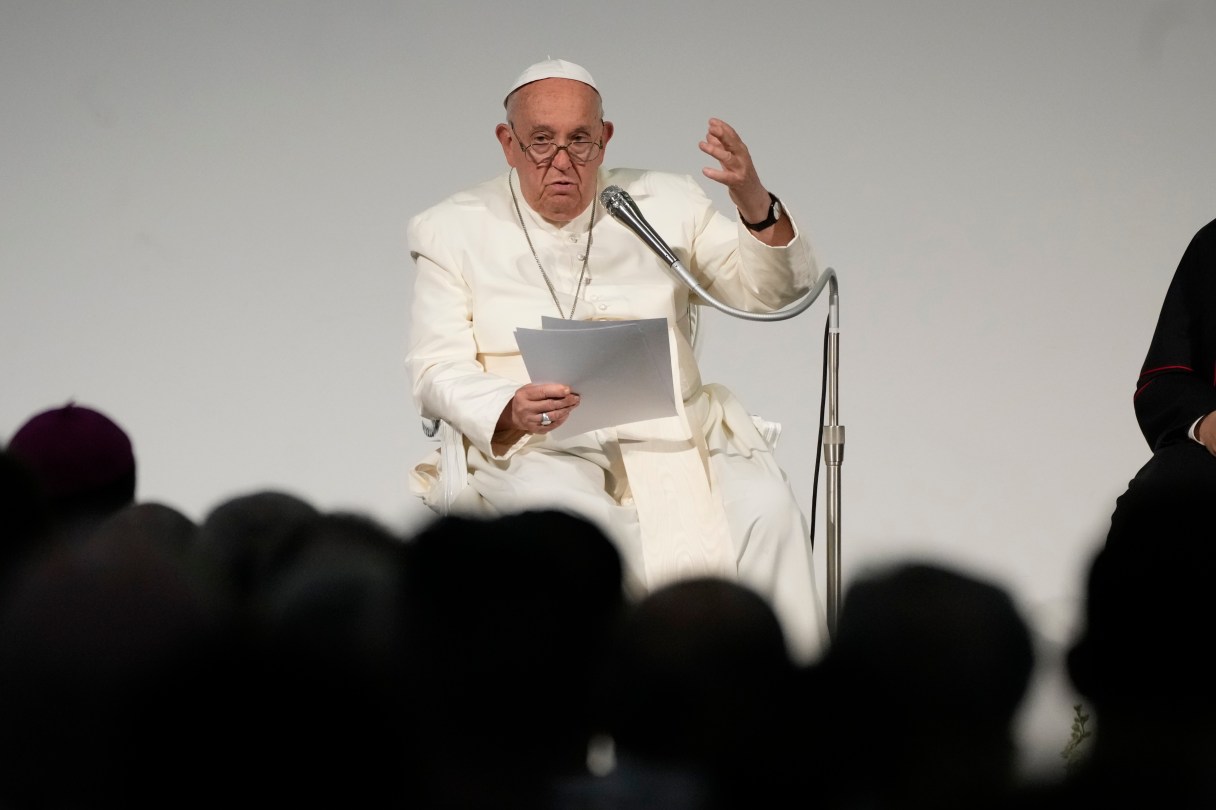
ROME (AP) — The Vatican’s chief prosecutor has strongly defended the integrity and fairness of the city state’s justice system following criticism that Pope Francis’ absolute power and his interventions in the so-called “trial of the century” last year violated the defendants’ fundamental rights.
Prosecutor Alessandro Diddi’s defense comes as the Vatican tribunal finalizes its written reasonings for its December 2023 verdicts. The tribunal convicted a cardinal and eight others of various financial-related crimes related to the Holy See’s 350 million euro investment in a London property, but has not yet explained its decisions.
Diddi published an essay last month in a peer-reviewed Italian journal, “Law and Religion,” though he was not identified as the Vatican’s top criminal prosecutor in the online article. Legal experts said such a publication in an academic journal was unusual, since Diddi is a party to the trial.
He was essentially replying to two academics — and lawyers representing some of the 10 defendants — who have raised questions about whether the two-year trial and preceding investigation were fair.