
Friday, November 6, 2026Nov 6

This story is exclusive to subscribers.

Opinion: A $50 million boost for much-needed Westside redevelopment

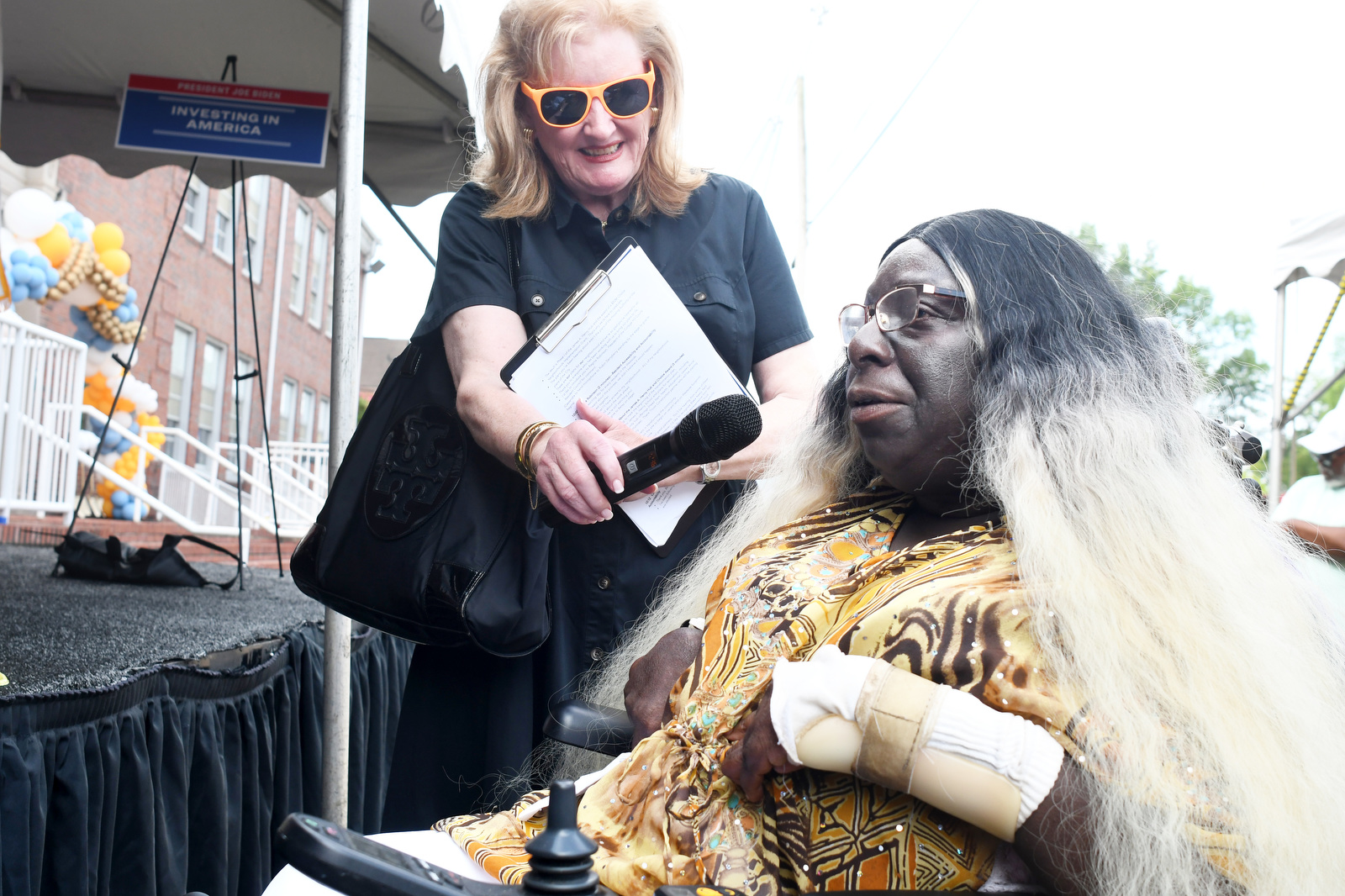
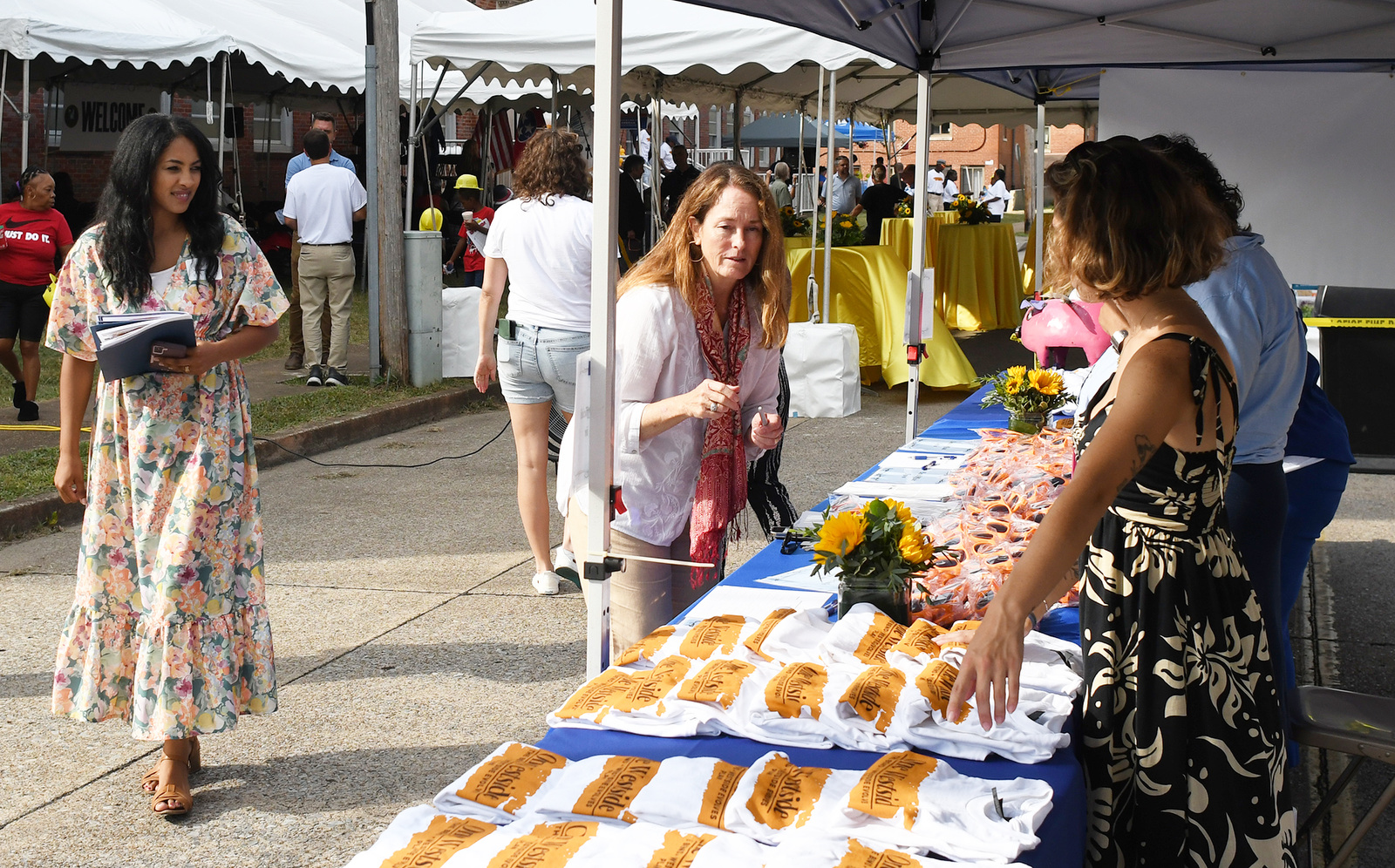
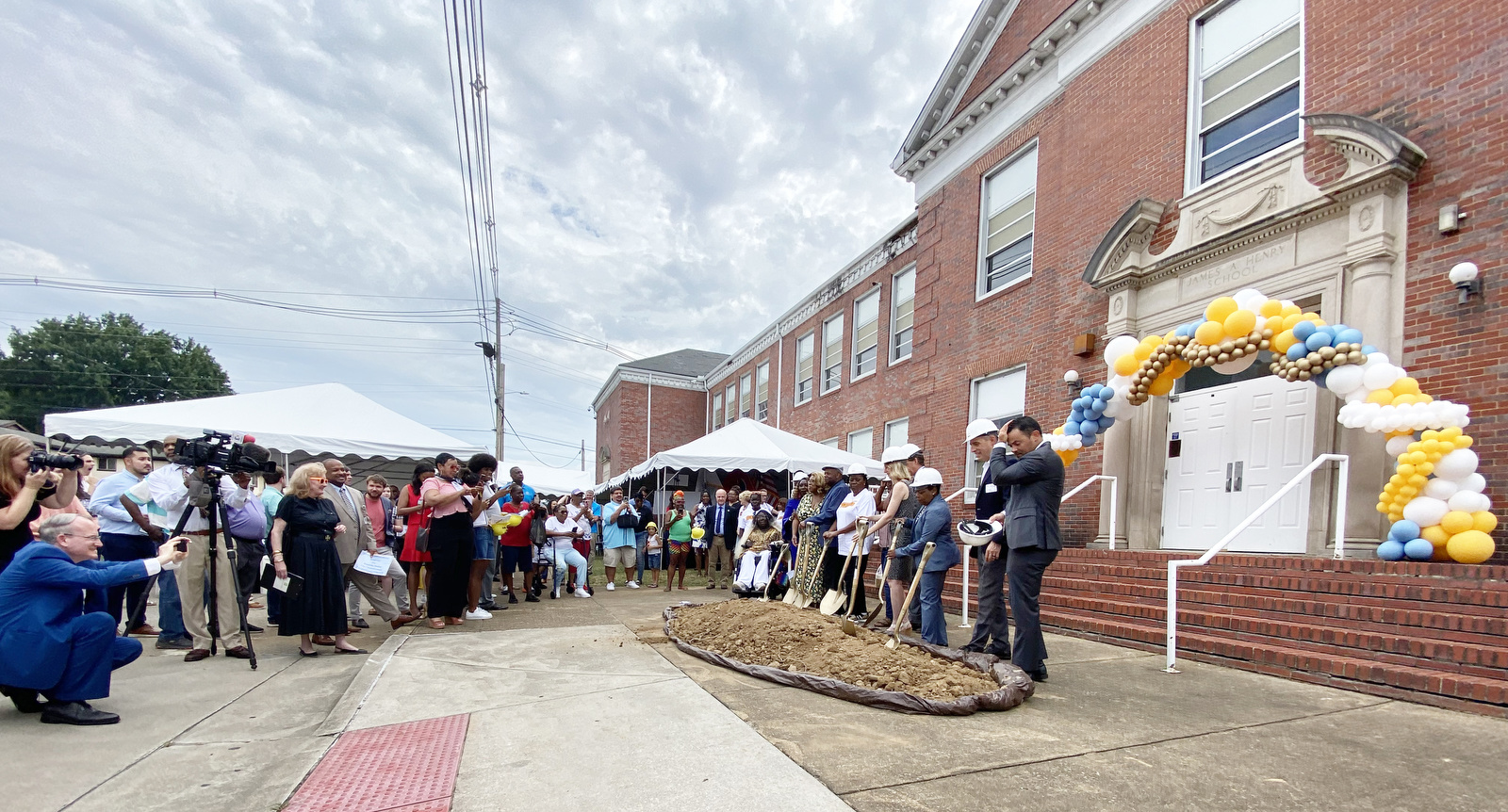
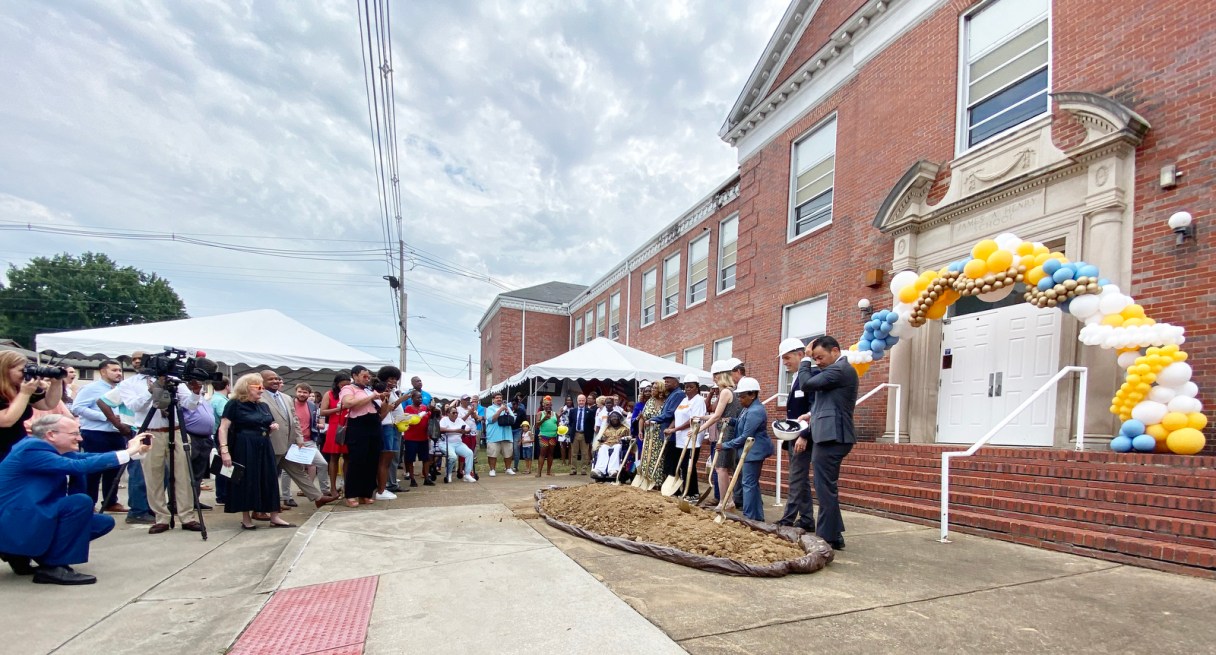
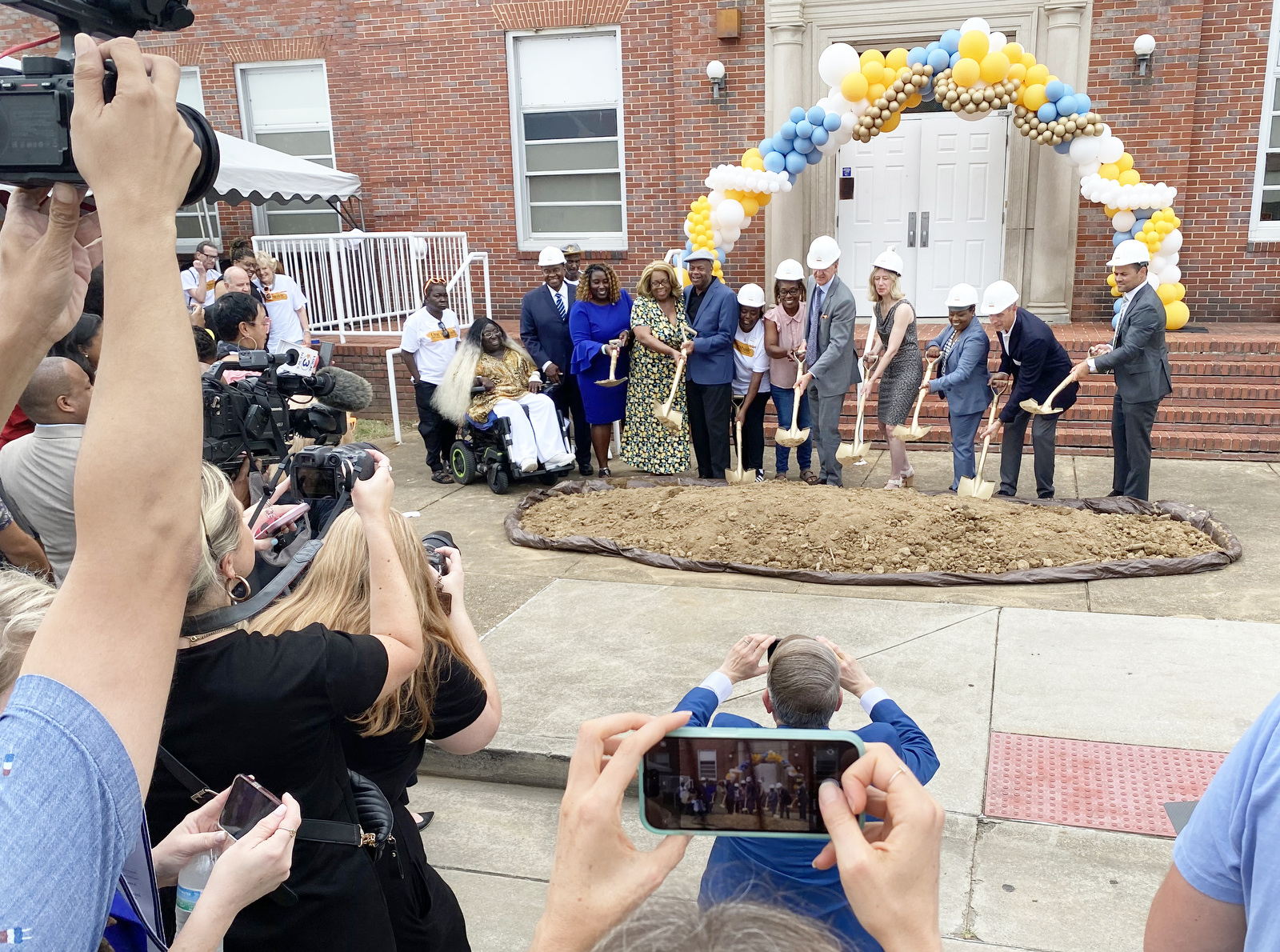
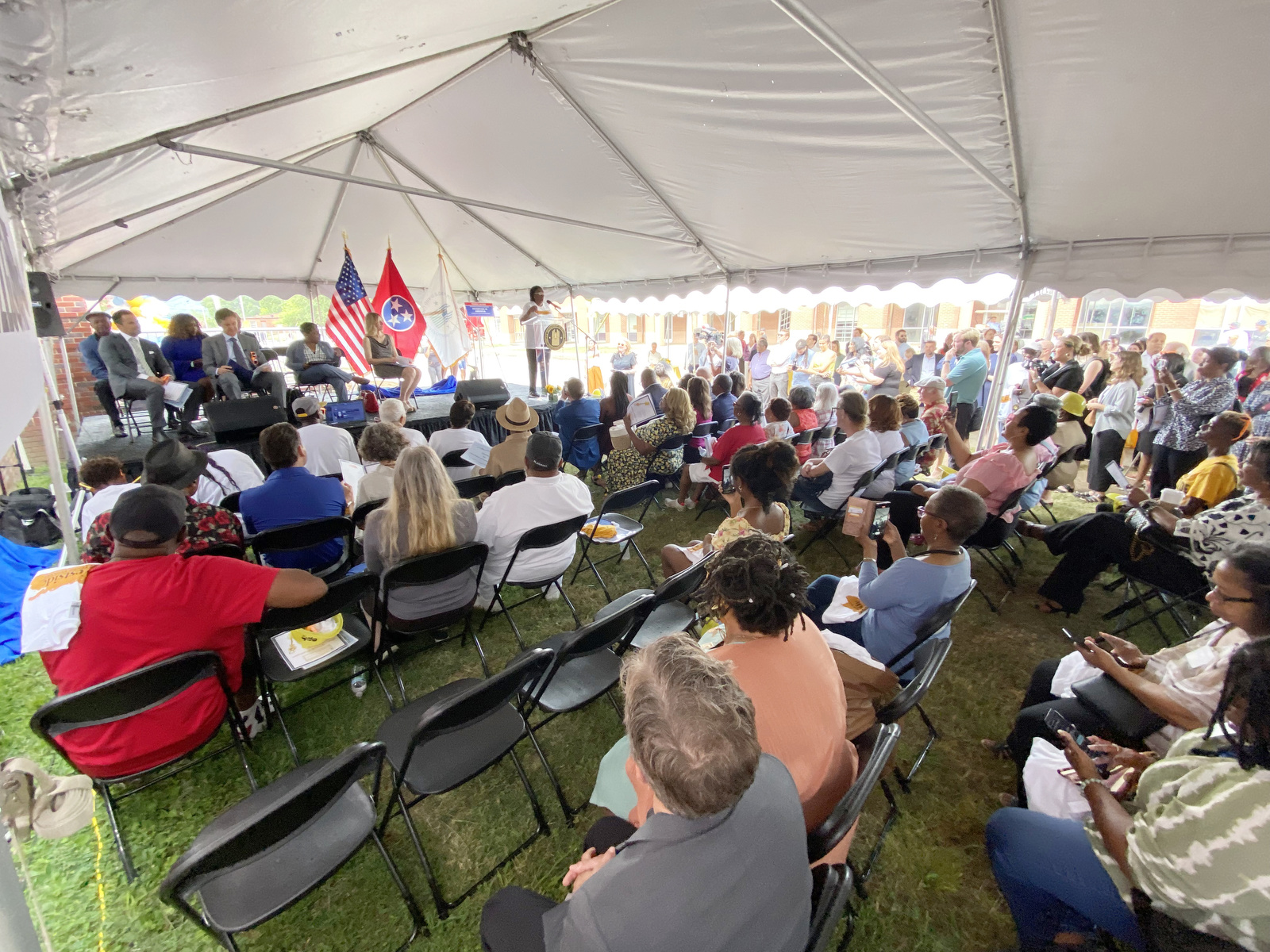
Staff Photo by Robin Rudd / Officials and residents break ground in front of the James A Henry School.  The city of Chattanooga, residents of the Westside, the Chattanooga Design Studio, Board of Commissioners of the Chattanooga Housing Authority and the United States Department of Housing and Urban Development held a celebration marking the beginning of the renovation of the James A. Henry Campus Hub.
Staff Photo by Robin Rudd / Officials and residents break ground in front of the James A Henry School. The city of Chattanooga, residents of the Westside, the Chattanooga Design Studio, Board of Commissioners of the Chattanooga Housing Authority and the United States Department of Housing and Urban Development held a celebration marking the beginning of the renovation of the James A. Henry Campus Hub. Staff Photo by Robin Rudd / Officials and residents break ground in front of the James A Henry School. The city of Chattanooga, residents of the Westside, the Chattanooga Design Studio, Board of Commissioners of the Chattanooga Housing Authority and the United States Department of Housing and Urban Development held a celebration marking the beginning of the renovation of the James A. Henry Campus Hub.

We have no doubt College Hill Courts residents are fully aware of it, but a little-appreciated disadvantage of the out-of-sight, out-of-mind public housing unit on a hill above the Tennessee River is its isolation.

It’s not a new reality, either.

But when U.S. Highway 27, then known as Interstate 124, was built in the early 1960s, it did much to cut off College Hill Courts from downtown Chattanooga. Oh, there were a few streets through which residents could reach downtown, but the housing unit lost the neighboring connection it once had.

And, of course, on its other side, between the housing complex and the river, was a sea of manufacturing, including the expansive and then-vibrant Combustion Engineering Co.
So, on the 120-acre hill area, in crumbling buildings that date to 1940, people stayed, felt confined, and, in some cases, festered. Crime was common (nearly twice that of the city), poverty was rampant (median household income is $12,000) and hope was fleeting.