
Tuesday, November 17, 2026Nov 17

This story is exclusive to subscribers.

How Chattanooga’s growth and development traps heat and warms urban neighborhoods

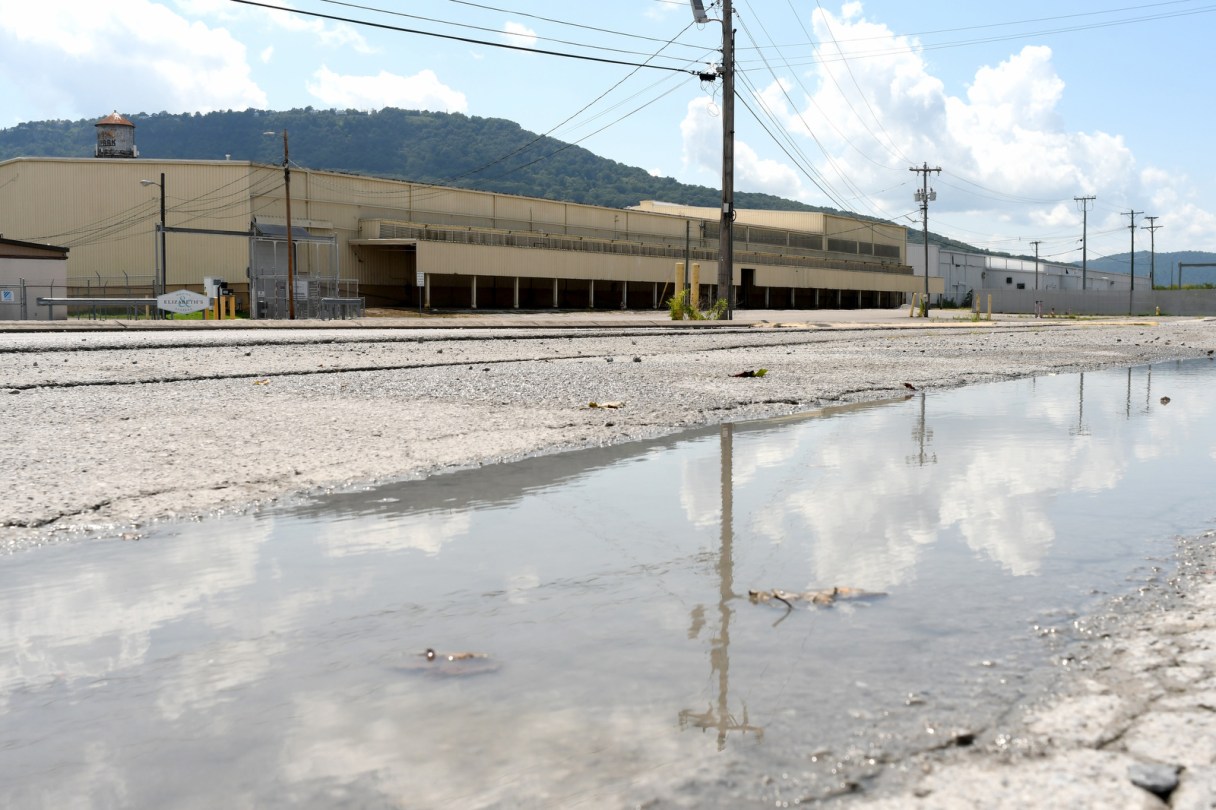
Staff Photo by Robin Rudd / On Wednesday, a puddle lingers along the edge of Alton Park Boulevard, just off Market Street.  The Alton Park area is a victim of the urban heat island effect, a phenomenon where dense concrete development in tandem with limited tree canopy causes an area to be warmer than it would be.
Staff Photo by Robin Rudd / On Wednesday, a puddle lingers along the edge of Alton Park Boulevard, just off Market Street. The Alton Park area is a victim of the urban heat island effect, a phenomenon where dense concrete development in tandem with limited tree canopy causes an area to be warmer than it would be.

In a warming world, the primary concern surrounding climate change is the Earth’s atmosphere trapping the heat of the sun and raising global temperatures, but in a world also rapidly urbanizing, the materials used to build roads, buildings and parking lots also trap that heat, raising local temperatures even higher in the neighborhoods around them.

This phenomenon is called the urban heat island, and its effect in Chattanooga has accelerated over the past four decades as more roads, buildings and parking lots have been built to accommodate a growing city.

Chattanooga’s urban heat island

— Metro area population increase since 1980: 36%

— City’s increase in developed land since 1984: 134%

Source: U.S. Census Bureau, University of Tennessee at Chattanooga