
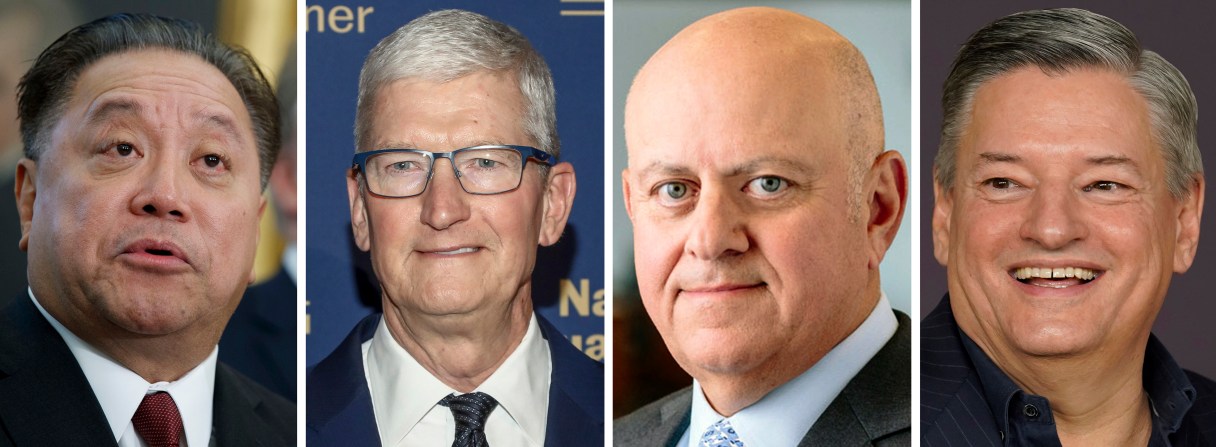
NEW YORK (AP) — The typical compensation package for chief executives who run companies in the S&P 500 jumped nearly 13% last year, easily surpassing the gains for workers at a time when inflation was putting considerable pressure on Americans’ budgets.
The median pay package for CEOs rose to $16.3 million, up 12.6%, according to data analyzed for The Associated Press by Equilar. Meanwhile, wages and benefits netted by private-sector workers rose 4.1% through 2023. At half the companies in this year’s pay survey, it would take the worker at the middle of the company’s pay scale almost 200 years to make what their CEO did.
CEOs got rewarded as the economy showed remarkable resilience, underpinning strong profits and boosting stock prices. After navigating the pandemic, companies faced challenges from persistent inflation and higher interest rates. About two dozen CEOs in the AP’s annual survey received a pay bump of 50% or more.
“In this post-pandemic market, the desire is for boards to reward and retain CEOs when they feel like they have a good leader in place,” said Kelly Malafis, founding partner of Compensation Advisory Partners in New York. “That all combined kind of leads to increased compensation.”
But Sarah Anderson, who directs the Global Economy Project at the progressive Institute for Policy Studies, believes the gap in earnings between top executives and workers plays into the overall dissatisfaction among Americans about the economy.