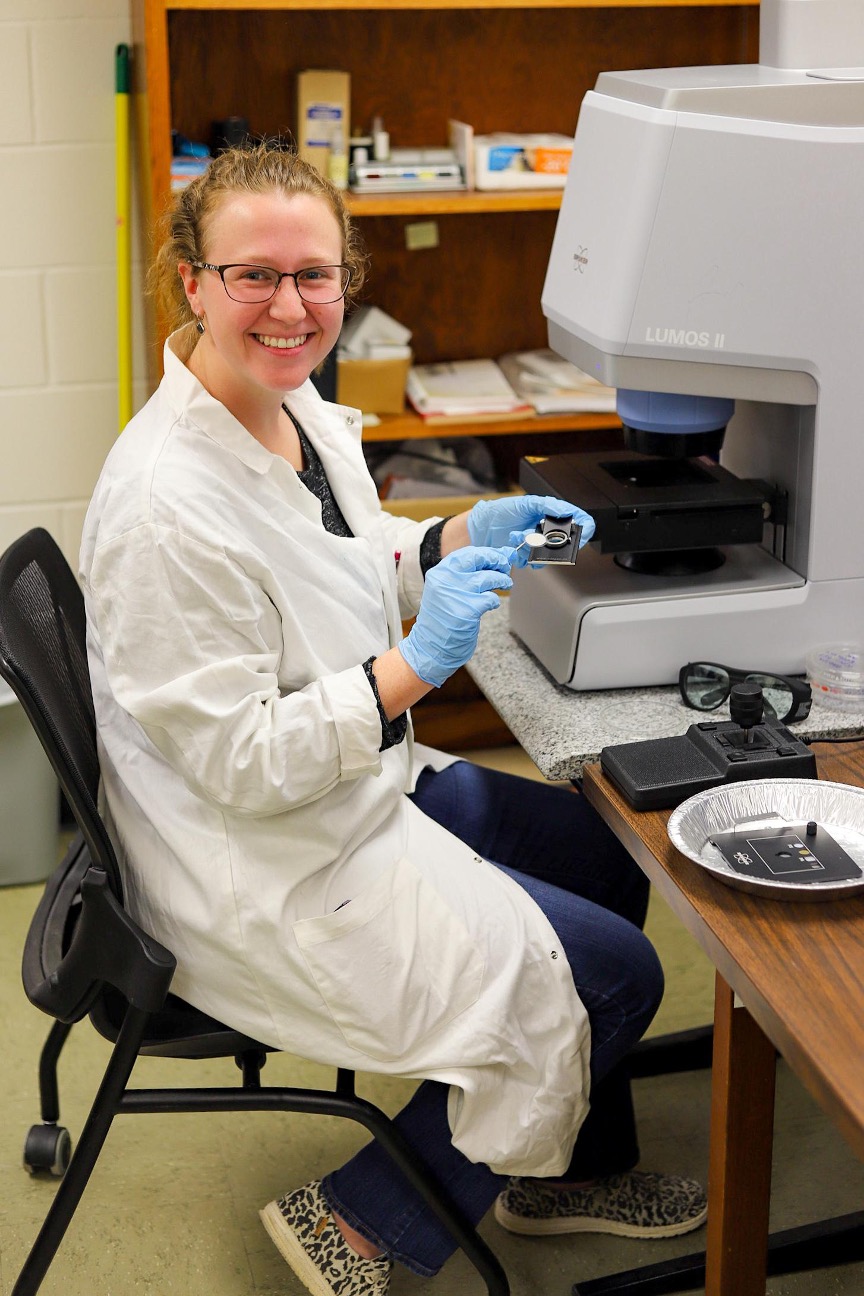

A graduate student and a pair of Tennessee Tech University professors in Cookeville, Tennessee, are taking a first-of-its-kind look at the presence of microplastics in the water coming from Tennessee wastewater treatment plants in today’s disposable world.
Caroline Hitchcock, a graduate student in environmental engineering, is teaming with professors Tania Datta and Justin Murdock in a new project seeking to provide insights on microplastics in Tennessee’s waters that could be coming from human waste.
Microplastics are tiny pieces of plastic ranging in size from less than 5 millimeters to 1 nanometer — a single strand of human hair is about 80,000 nanometers wide — that may be causing big problems when they find their way into the ecosystem, according to the U.S. Environmental Protection Agency.
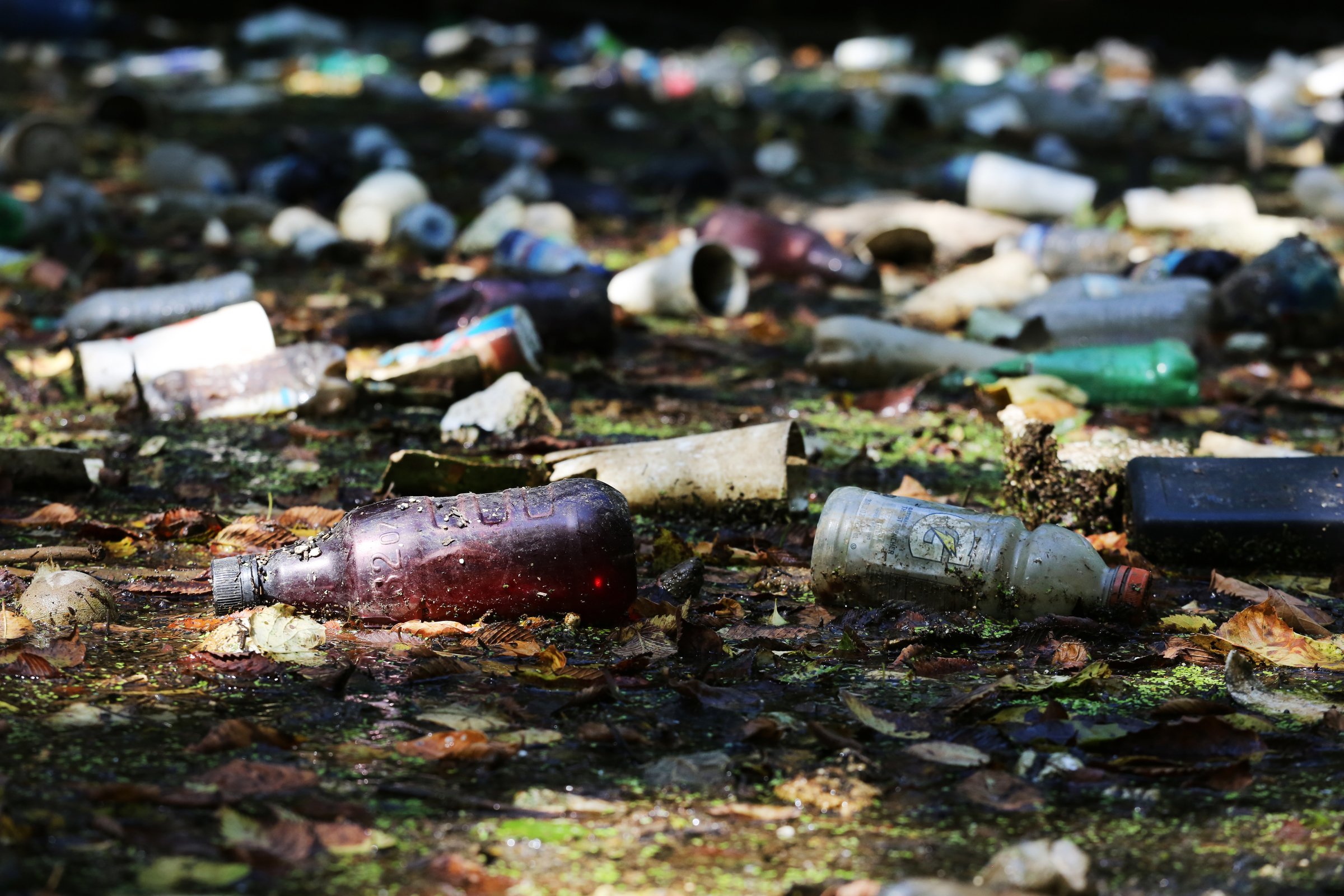
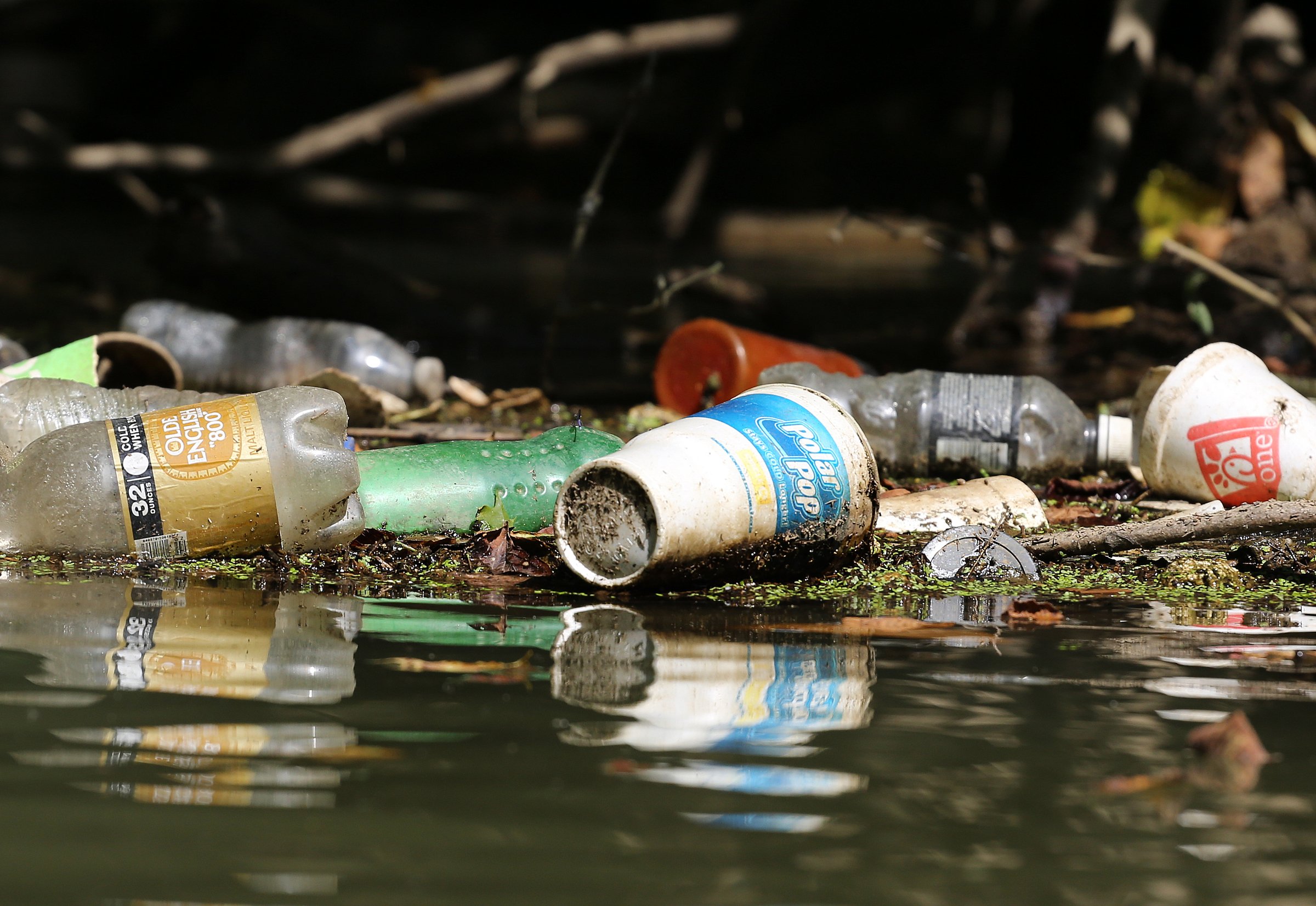
Primary microplastics are intentionally manufactured in small sizes for their use in consumer products, such as cosmetics or biomedical products, while secondary microplastics are plastic particles that break down from larger plastic materials, such as food wrapping, tires and synthetic textiles, according to the agency. Microplastics are likely to degrade into smaller nanoplastics through chemical weathering processes, mechanical breakdown and through the digestive processes of animals. Nanoplastics cannot be seen by the human eye.
Photo Gallery
Tennessee Tech research team project probes Tennessee wastewater plants for microplastics