
KHARKIV, Ukraine (AP) — The first shock wave shattered aisles stacked almost to the ceiling with home improvement products. The next Russian bomb streaked down like a comet seconds later, unleashing flames that left the megastore an ashen shell.
A third bomb failed to detonate when it landed behind the Epicenter shopping complex in Kharkiv. Investigators hope it will help them trace the supply chain for the latest generation of retrofitted Russian “glide bombs” that are laying waste to eastern Ukraine. The Soviet-era bombs are adapted on the cheap with imported electronics that allow distant Russian warplanes to launch them at Ukraine.
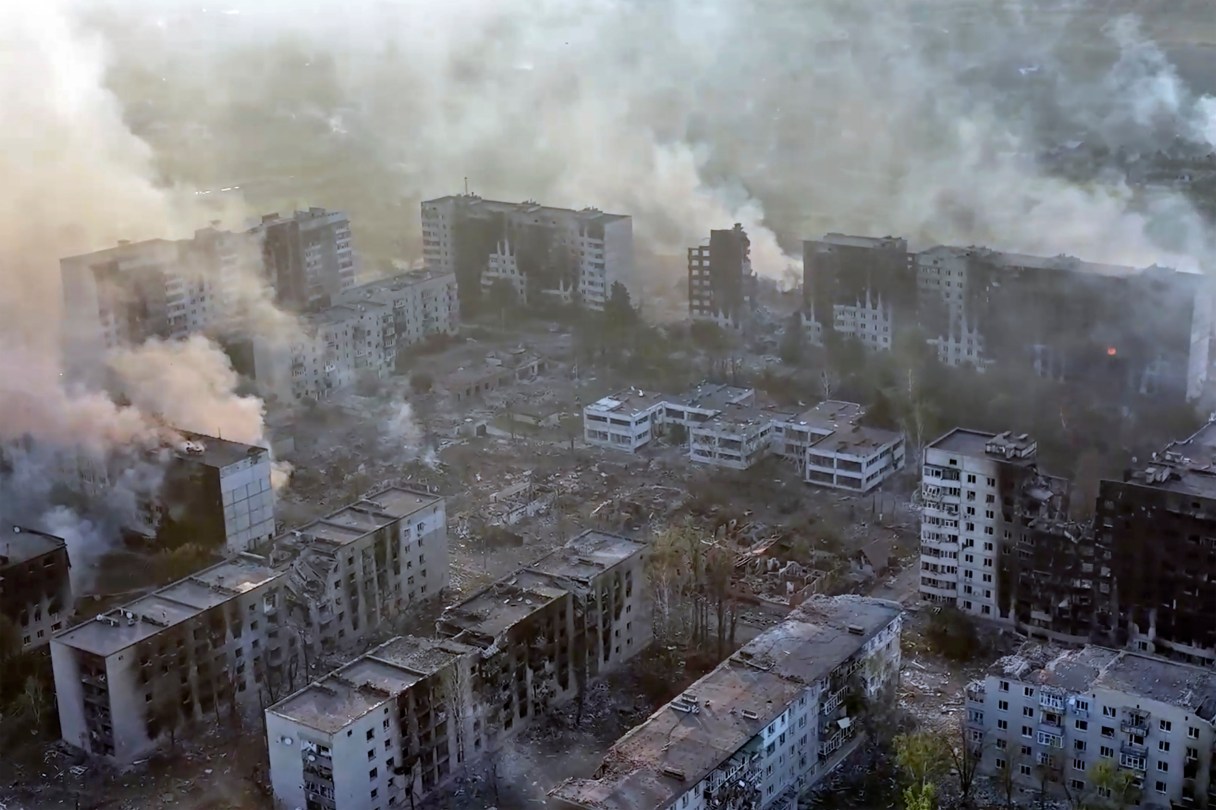
Other cities that have been devastated by the weapons include Avdiivka, Chasiv Yar and Vovchansk, and Russia has nearly unlimited supplies of the bombs, which are dispatched from airfields just across the border that Ukraine has not been able to hit.
Store manager Oleksandr Lutsenko said the May 25 attack hints at Russia’s aim for Kharkiv: “Their goal is to turn it into a ghost city, to make it so that no one will stay, that there will be nothing to defend, that it will make no sense to defend the city. They want to scare people, but they will not succeed.”
Russia has accelerated its destruction of Ukraine’s front-line cities in 2024 to a scale previously unseen in the war using the glide bombs and an expanding network of airstrips, according to an Associated Press analysis of drone footage, satellite imagery, Ukrainian documents and Russian photos.