
BOISE, Idaho (AP) — In 2012, two Idaho prison officials chartered a private plane and flew to Washington state with thousands of dollars in cash.
They met with a pharmacist behind closed doors and bought the drug for a convicted murderer’s lethal injection.
Only a years-long public records lawsuit revealed the pharmacist’s name, the pharmacy and other details of the exchange. After prison officials said the pharmacist’s exposure had scared away other lethal drug suppliers, Idaho lawmakers barred such information from getting out again.
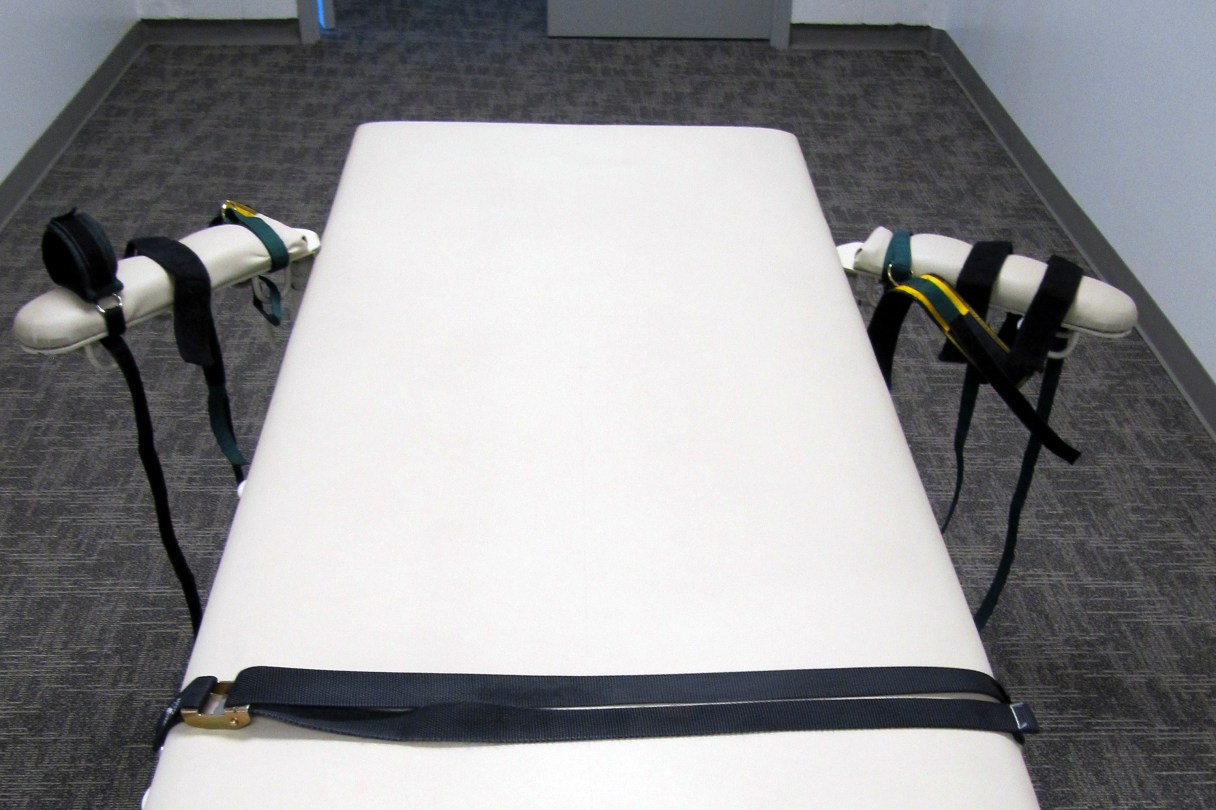
Idaho tried and failed Wednesday to execute Thomas Eugene Creech, a 73-year-old serial killer who had been in prison for 50 years. Neither his attorneys nor the public knew where the state obtained the drug or the exact qualifications of his executioners.
Opponents say secrecy laws are are a significant hurdle to accountability and make it hard to ensure that the procedures aren’t unconstitutionally painful, whether the deaths are carried out successfully — as Texas did Wednesday in the case of Ivan Cantu — or botched like Creech’s.