
Tuesday, November 17, 2026Nov 17

Evidence of traumatic brain injury in shooter who killed 18 in deadliest shooting in Maine history

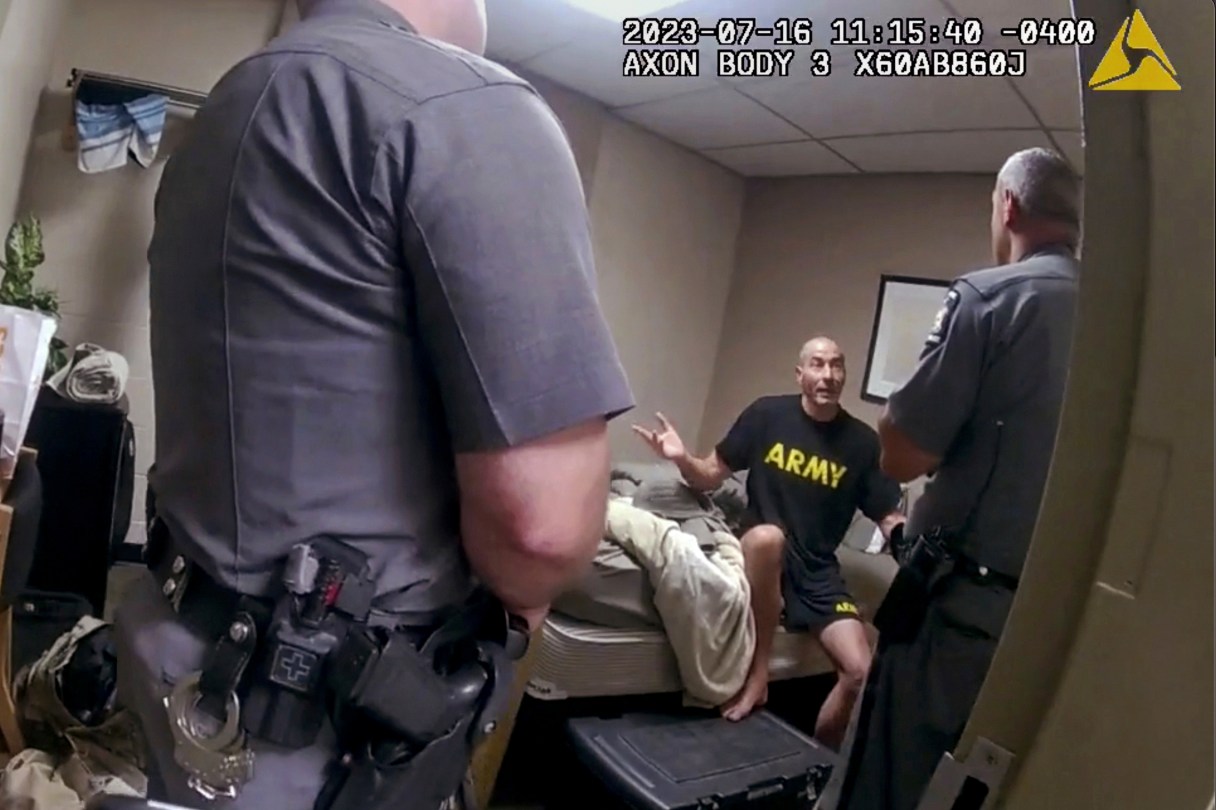
In this image taken from New York State Police body camera video that was obtained by WMTW-TV 8 in Portland, Maine, New York State police interview Army Reservist Robert Card, the man responsible for Maine's deadliest mass shooting, at Camp Smith in Cortlandt, New York on July 16, 2023. Army officials will testify Thursday, March 7, 2024 before a special commission investigating the deadliest mass shooting in Maine history, which was committed by a former reservist. (WMTW-TV 8/New York State police via AP)

AUGUSTA, Maine (AP) — Robert Card, an Army reservist who shot and killed 18 people in Maine last year, had significant evidence of traumatic brain injuries, according to a brain tissue analysis by researchers from Boston University that was released Wednesday.

There was degeneration in the nerve fibers that allow for communication between different areas of the brain, inflammation and small blood vessel injury, according to Dr. Ann McKee of Boston University’s Chronic Traumatic Encephalopathy (CTE) Center. The analysis was released by Card’s family.

Card had been an instructor at an Army hand grenade training range, where it is believed he was exposed to thousands of low-level blasts.

“While I cannot say with certainty that these pathological findings underlie Mr. Card’s behavioral changes in the last 10 months of life, based on our previous work, brain injury likely played a role in his symptoms,” McKee said in the statement from the family.

Card’s family members also apologized for the attack in the statement, saying they are heartbroken for the victims, survivors and their loved ones.