
Plastics. Paint. Petroleum. Metals. Munitions. Medical waste.
All of these and more were set aflame and disposed of in open-air pits used by the U.S. military in its Iraq and Afghanistan operations. Too often, members of the armed services served downwind of the airborne hazards created by this wartime waste incineration.
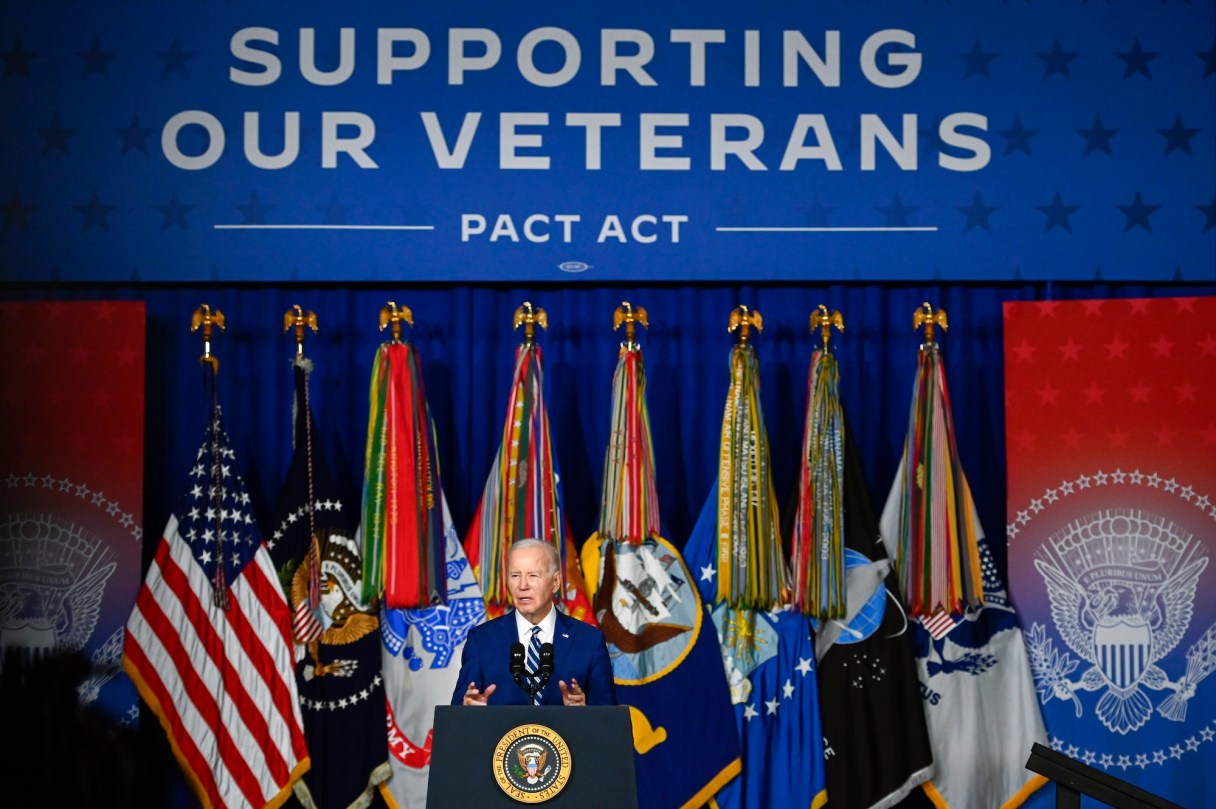
While Congress passed the PACT Act in 2022 to strengthen the care and benefits for affected veterans, even this landmark legislation has room for improvement. Fortunately, the Biden administration identified an important opportunity and acted on it. Late last month, the Department of Veterans Affairs announced it is speeding up eligibility for the PACT Act’s expanded medical care by eliminating the phased-in implementation called for in the legislation.
That change means “millions of veterans are becoming eligible for VA health care up to eight years earlier than written into law,” according to the VA. Beginning March 5, “all veterans who were exposed to toxins and other hazards while serving in the military” whether domestically or internationally “will be eligible to enroll directly in VA health care.”
It’s understandable why veterans service organizations are applauding the move. The conditions that may be linked to burn pits are serious and include emphysema, chronic obstructive pulmonary disease, pulmonary fibrosis and many different types of cancer.