
Monday, November 16, 2026Nov 16

More than six in 10 US abortions in 2023 were done by medication — a significant jump since 2020

FILE - A patient prepares to take the first of two combination pills, mifepristone, for a medication abortion during a visit to a clinic in Kansas City, Kan., on, Oct. 12, 2022. More than six in 10 of the abortions in the United States last year were done through medication, up from 53% in 2020, according to research released Tuesday, March 19, 2024. The Guttmacher Institute, a research group that supports abortion rights, said about 642,700 medication abortions took place in the first full calendar year after the U.S. Supreme Court overturned Roe v. Wade. Medication abortion accounted for 63% of abortions in the formal health care system. (AP Photo/Charlie Riedel, File)

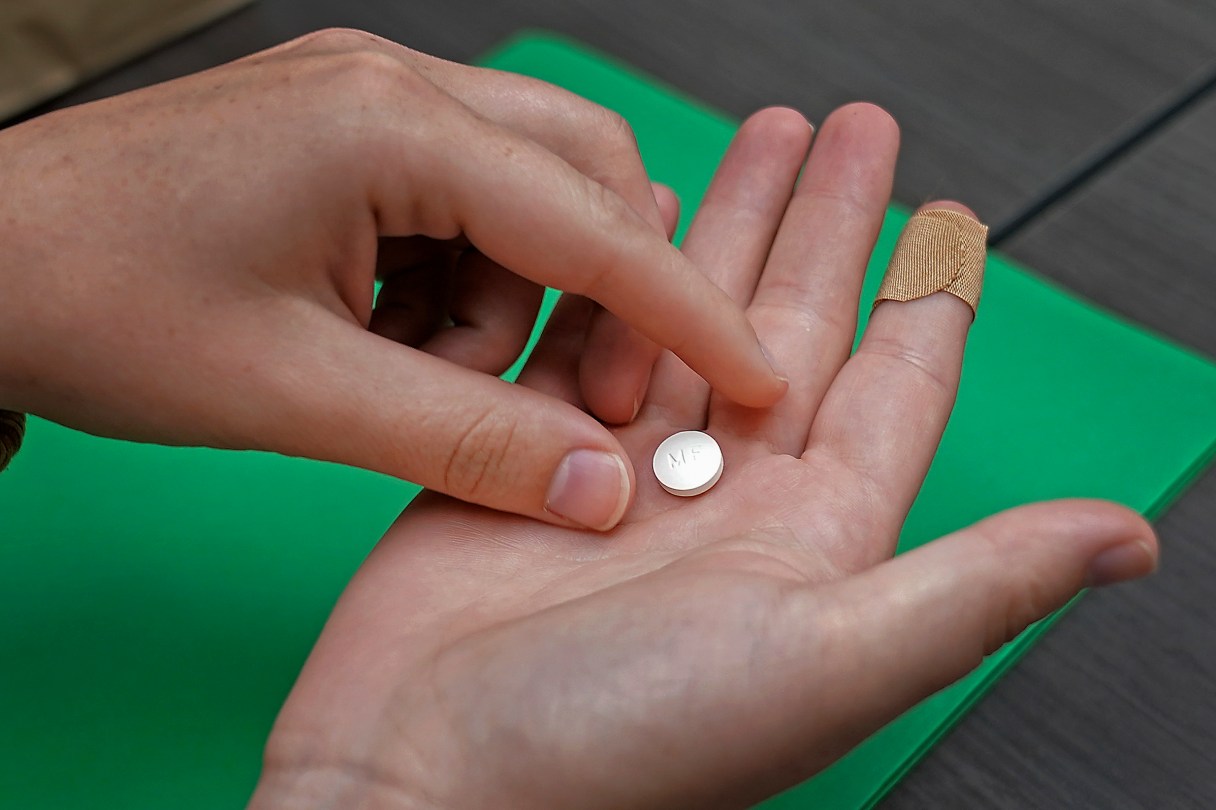
More than six in 10 of the abortions in the United States last year were done through medication, up from 53% in 2020, new research shows.

The Guttmacher Institute, a research group that supports abortion rights, said about 642,700 medication abortions took place in the first full calendar year after the U.S. Supreme Court overturned Roe v. Wade. Medication abortion accounted for 63% of abortions in the formal health care system.

The data was released Tuesday, a week before the high court will hear arguments in a case that could impact how women get access to mifepristone, which is usually used with another pill in medication abortions.

Guttmacher researcher Rachel Jones said the increase wasn’t a surprise.

“For example, it is now possible in some states, at least for health care providers, to mail mifepristone to people in their homes,” Jones said, “so that saves patients travel costs and taking time off work.”