
It always seemed farfetched that anti-abortion doctors could argue that they have the right to ask a court to severely restrict a drug approved by the U.S. Food and Drug Administration simply because they don’t want to treat women who might experience complications.
Do they even have standing to bring this case? Do they have any proof they have been so harmed or injured that it justifies restricting FDA-approved access to mifepristone, the first in a two-drug regimen for medication abortion?
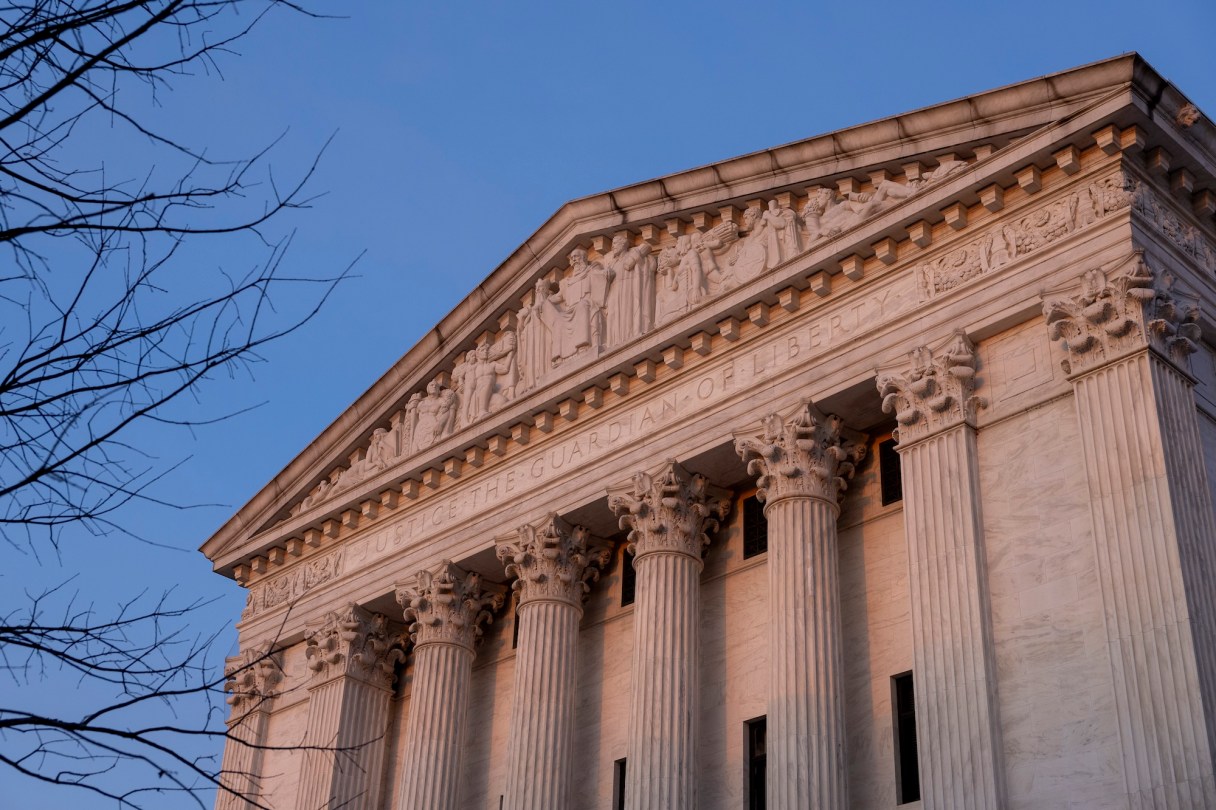
These are among the questions raised when the Supreme Court heard oral arguments Tuesday in a case from Texas by the Alliance for Hippocratic Medicine, an anti-abortion group that claims the FDA did not adequately study mifepristone before putting it on the market in 2000.
Last year, U.S. District Court Judge Matthew J. Kacsmaryk — a staunch opponent of abortion — ruled in favor of the alliance, which wants the drug pulled from the market. The Biden administration appealed to the 5th Circuit Court of Appeals, which allowed doctors to continue to prescribe mifepristone, with the caveat that the medication be used as it was approved in 2000. The FDA lifted various rules and restrictions on its use in 2016 and 2021. (The Supreme Court put the court’s changes on hold while the case moves through the appeals process.)
It is a relief that the justices seemed skeptical that a group of doctors who don’t prescribe abortion medication has the legal right to lodge a complaint against an approved drug that has been safely used for more than two decades. ( Serious complications occur in less than a third of 1% of uses.) They spent most of their time asking questions about standing and much less about whether mifepristone would be safer with more restrictions.