
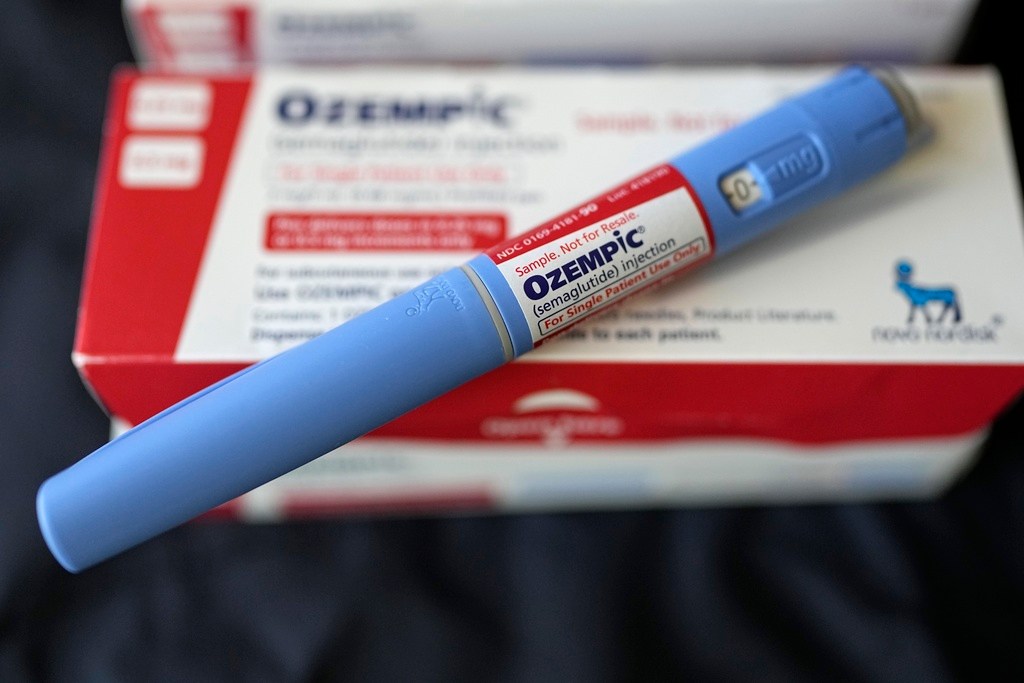
For the past year and a half, Tandra Cooper Harris and her husband, Marcus, who both have diabetes, have struggled to fill their prescriptions for the medications they need to control their blood sugar.
Without Ozempic or a similar drug, Cooper Harris suffers blackouts, becomes too tired to watch her grandchildren and struggles to earn extra money braiding hair. Marcus Harris, who works as a Waffle House cook, needs Trulicity to keep his legs and feet from swelling and bruising.
The couple’s doctor has tried prescribing similar drugs, which mimic a hormone that suppresses appetite and controls blood sugar by boosting insulin production. But those, too, are often out of stock. Other times, their insurance through the Affordable Care Act marketplace burdens the couple with a lengthy approval process or an out-of-pocket cost they can’t afford.
“It’s like, I’m having to jump through hoops to live,” said Cooper Harris, 46, a resident of Covington, Georgia, east of Atlanta.
Supply shortages and insurance hurdles for this powerful class of drugs, called GLP-1 agonists, have left many people who are suffering from diabetes and obesity without the medicines they need to stay healthy.