
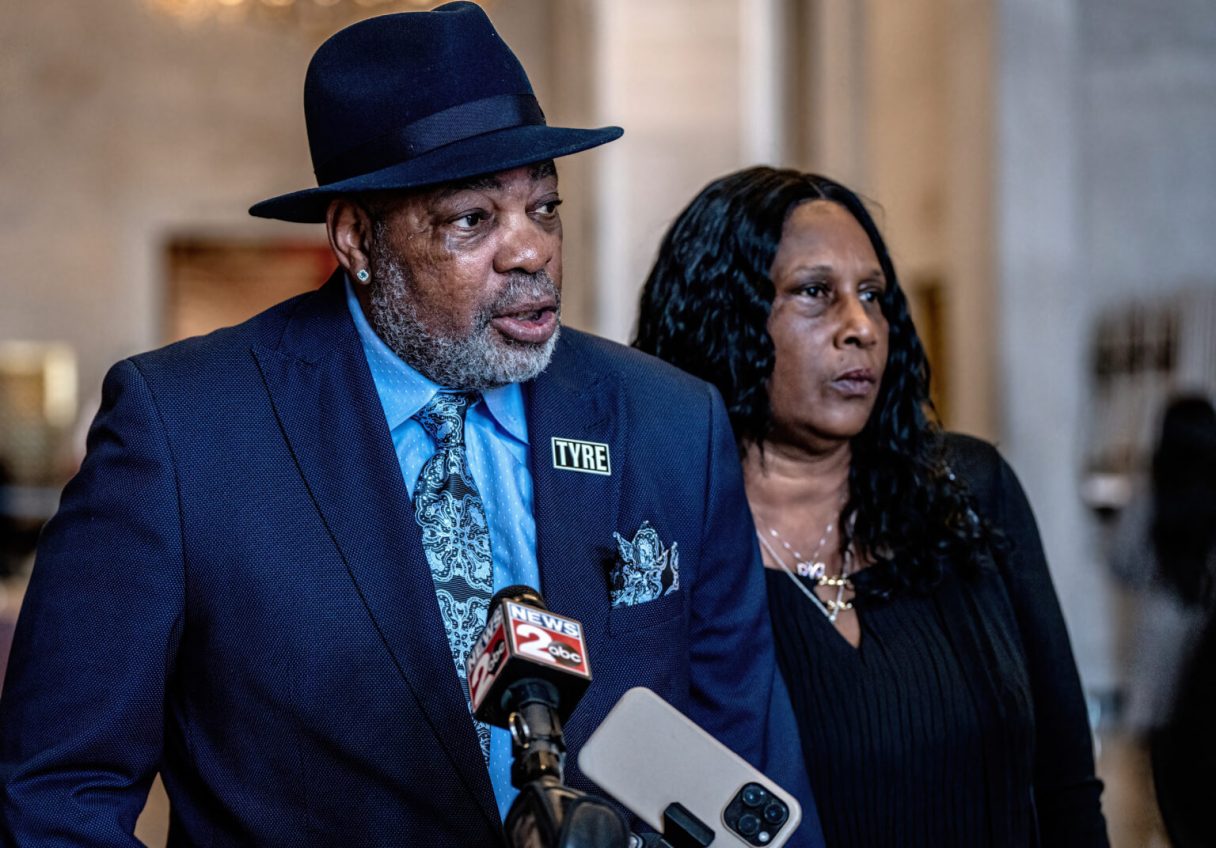
A Memphis state representative is calling a bill signed into law by the governor more than a case of overreach as it turns back efforts to reform traffic stops such as those that led to the 2023 death of motorist Tyre Nichols.
“The majority once again is more concerned with being patriarchal and telling us poor folks in Memphis and Shelby County how to live and taking the authority that’s been vested by the voters and really making it moot,” Democratic state Rep. G.A. Hardaway said Monday.
The Republican-controlled General Assembly passed legislation this year prohibiting a Memphis City Council ban on pretextual stops, including those for a bad tail light.
The legislature’s move came after Nichols’ parents, RowVaughn and Rodney Wells, worked with Memphis officials to end stereotyping that can turn into violent incidents.
Nichols died in January 2023 after being pulled over for reckless driving and being beaten by police officers. The death led to local requests for a federal investigation of Memphis police policies.
Gov. Bill Lee said last week he spoke with RowVaughn Wells during this year’s session as she lobbied against the bill. He noted he appreciated her ability to express her views passionately without being disrespectful and even found her approach “inspirational.”
Yet he signed the bill she opposed anyway, pointing out he disagreed with her views on the legislation.
Five police officers were charged in connection with Nichols’ death, and one pleaded guilty in November 2023 to federal and state charges.
A U.S. Department of Justice investigation into Memphis police practices continues, according to Hardaway, who sought the federal probe of police policy after helping lead a local group that put together police statistics.
The Wells family could not be reached for comment on the governor’s decision to sign the bill into law. But during the 2023 session, RowVaughn Wells said she felt police were “harassing the Black citizens of Memphis.” Her husband contended police are discriminating against people of color, and, as a result, “too many parents are going through what we’re going through — senselessly.”
The legislation reversing Memphis’ traffic stop ordinance was sponsored by Mephis Republicans Sen. Brent Taylor and Rep. John Gillespie.
Gillespie also spoke with the Wells family during this year’s session but moved ahead with his bill when they weren’t present and said those who oppose state traffic laws should change them instead of “enacting local ordinances that are in conflict with state law.” Gillespie came under criticism for bringing the bill up for a House vote several days after the Wells family visited the State Capitol to lobby against the measure.
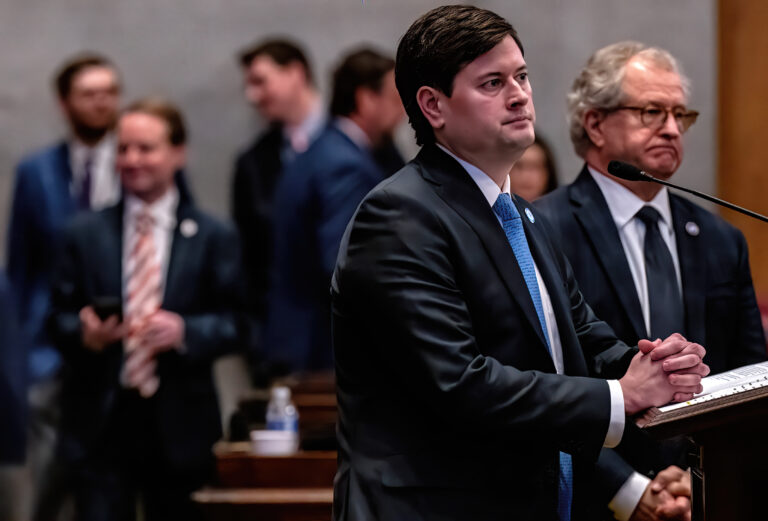 Rep. John Gillespie, R-Memphis, called for a vote on a measure limiting local officials’ ability to monitor police traffic stops. / Tennessee Lookout Photo by John Partipilo
Taylor also was adamantly opposed to the Memphis ordinance and backed several law-and-order measures in hopes of curbing crime in urban Shelby County.
Hardaway argued that most Shelby County residents supported the local ordinance and said he was suspicious that the bill’s passage had more to do with political contributions than good law enforcement policy.
He was unaware the governor had spoken with the Wells family but said, “They’re very gracious in the way they accommodate individuals who think like they think and those who don’t. They know that there’s a certain level of sensitivity that some people are gonna express but it won’t be followed up by any real serious work to prevent the circumstances that caused Tyre Nichols’ death.”
Research presented to the U.S. Department of Justice verified there was enough evidence to show patterns of discriminatory police work, Hardaway said. He was uncertain when the federal report would be finished.
Read more at TennesseeLookout.com.