
Saturday, November 7, 2026Nov 7

This story is exclusive to subscribers.

Opinion: Under a second Trump presidency, expect more violence spurred by his rhetoric

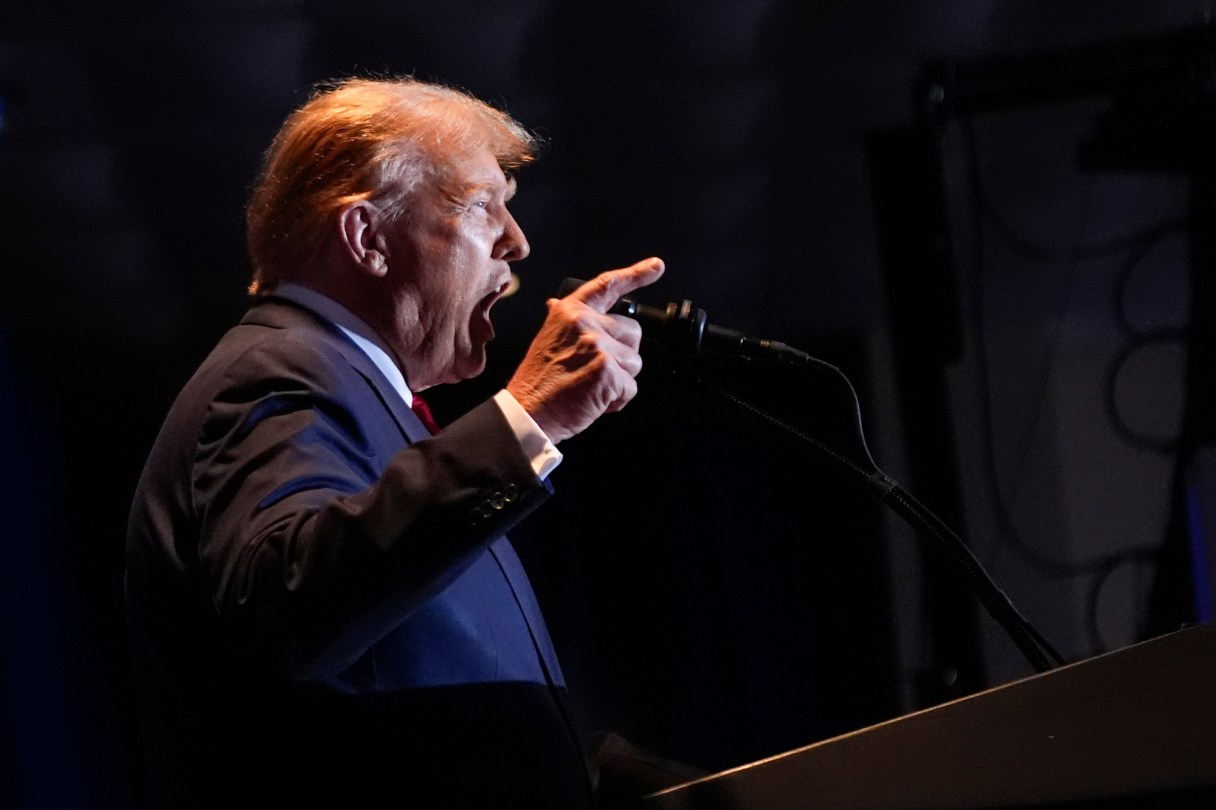
File photo/Andrew Harnik/The Associated Press /  President-elect Donald Trump speaks at a primary election night party at the South Carolina State Fairgrounds in Columbia, S.C., on Feb. 24. In a victory speech on March 5, Trump elevated false information that had gone viral on social media, claiming the Biden administration secretly flew hundreds of thousands of migrants into the United States.
File photo/Andrew Harnik/The Associated Press / President-elect Donald Trump speaks at a primary election night party at the South Carolina State Fairgrounds in Columbia, S.C., on Feb. 24. In a victory speech on March 5, Trump elevated false information that had gone viral on social media, claiming the Biden administration secretly flew hundreds of thousands of migrants into the United States. File photo/Andrew Harnik/The Associated Press / President-elect Donald Trump speaks at a primary election night party at the South Carolina State Fairgrounds in Columbia, S.C., on Feb. 24. In a victory speech on March 5, Trump elevated false information that had gone viral on social media, claiming the Biden administration secretly flew hundreds of thousands of migrants into the United States.

With a looming second administration under President-elect Donald Trump, policies that will harm the most vulnerable among us are already taking shape. Trump is set to begin a mass deportation campaign on day one. His advisers are weighing using a national emergency declaration to carry it out. But there’s another source of violence we should prepare for. It’s Trump’s rhetoric.

Since the soon-to-be 47th president first announced his candidacy for his first term, Trump has continuously attacked powerless populations, specifically immigrants, calling them “rapists” in his announcement speech at Trump Tower in 2015.

This rhetoric had an immediate impact, as hate crimes spiked leading into Trump’s term and the years following. From 2018 to 2022, for instance, the number of reported hate crimes, according to FBI statistics, nearly doubled in schools and colleges.

This wasn’t just limited to immigrants, as Black students were the most frequent victims, followed by LGBTQ+ and Jewish students, The New York Times reported in January.

In 2024, hate speech online, especially directed toward immigrants, spiked heading into the election. Since Election Day, there are reports across the country of racist text messages sent to Black people telling them they were “selected to pick cotton at the nearest plantation.”