
TennCare – the state Medicaid program that pays the medical bills of 1.4 million low-income Tennesseans – is seeking a $975 million budget boost next year driven in large part by rising medical costs.
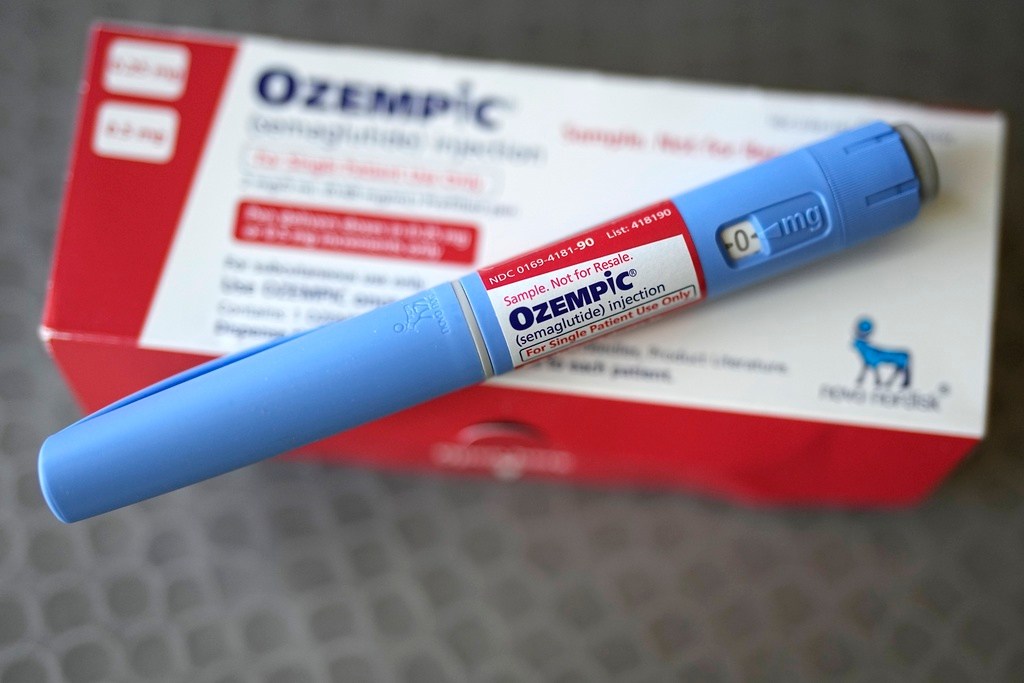
The two biggest drivers of the expected costs are an estimated $165 million in price hikes for medical care and $41 million tied to the high price tag of new classes of drugs used to treat obesity, heart disease and diabetes – drugs such as Ozempic.
This year’s budget request follows steep cuts in TennCare enrollment: 300,000 people lost coverage last year in an error-ridden process that violated the rights of thousands of Tennesseans and ran afoul of the Constitution, Medicaid law and protections for people with disabilities, a federal judge ruled in August.
It also follows the announcement by Gov. Bill Lee that $100 million in TennCare funding will be distributed in the form of no-interest loans to East Tennessee counties that suffered extensive hurricane damage in September.
(READ MORE: Federal court: TennCare illegally terminated health coverage for thousands)