
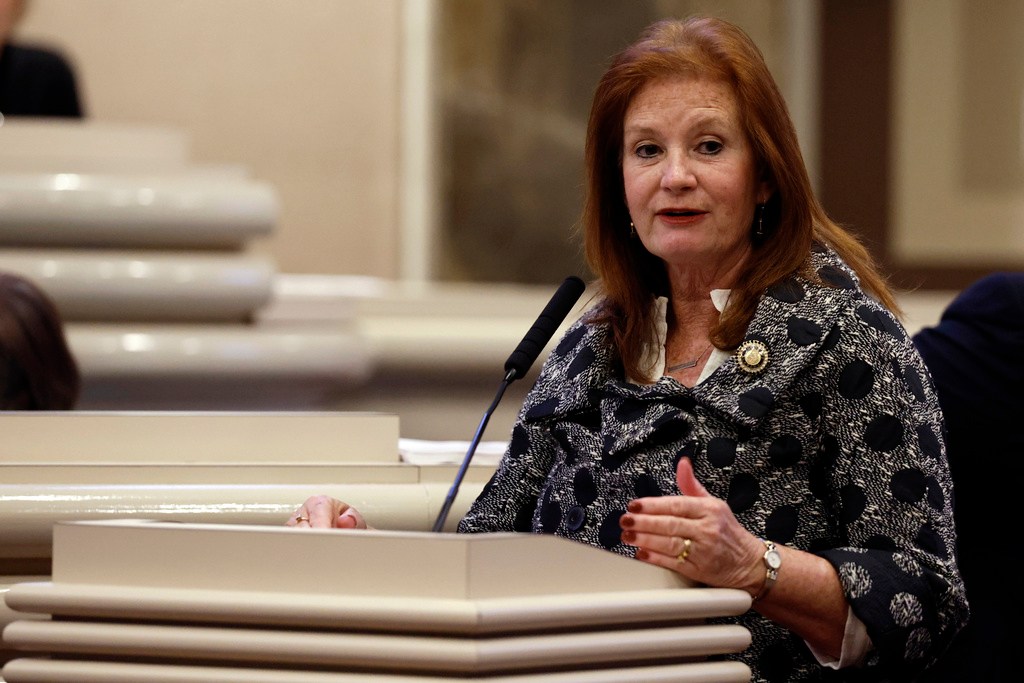
When the Alabama Legislature approved a near-total abortion ban in 2019, some Republican legislators downplayed the impact, saying the legislation was meant as a challenge to Roe v. Wade and the state would revisit the issue if Roe fell, possibly in a “heartbeat” bill that would ban the procedure at about six weeks after conception.
“I have prayed my way through this issue and this bill, because it was hard to give up heartbeat,” Rep. Terri Collins, R-Decatur, said at the time. “I believe we can’t get a heartbeat bill until we get Roe v. Wade turned over.”
More than five years later, and over two years after the U.S. Supreme Court overturned Roe v. Wade, Alabama’s ban seems unlikely to change despite successes of abortion rights advocates in other parts of the country.
Collins, who sponsored the legislation, said in a recent interview she had asked other lawmakers if they were interested in moving to a heartbeat bill, and she did not find that they did.
“Everyone was pleased with the bill that we had in place right now,” said Collins, who said she supports the current law.