
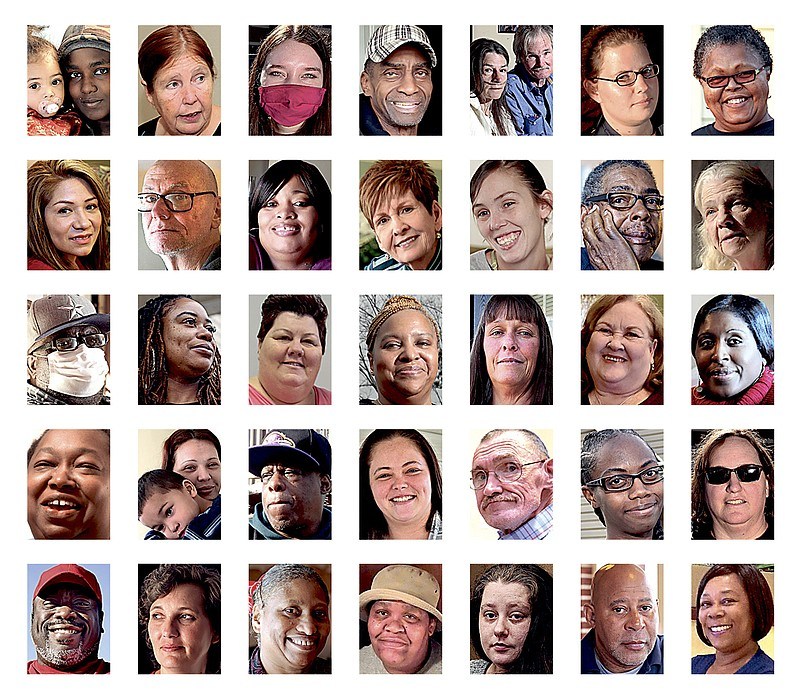

Every Thanksgiving, the Chattanooga Times Free Press launches its Neediest Cases campaign, an annual appeal to readers during the holiday season to provide assistance to people in need.
Throughout the campaign, recipients’ stories are featured twice a week in the newspaper, which also prints the names of donors.
This year, the Times Free Press is changing the name of the Neediest Cases Fund to the Ochs Community Fund in honor of Chattanooga Times and New York Times publisher Adolph Ochs, who started the fund 110 years ago.
(READ MORE: Neediest Cases campaign raises nearly $40,000, down from $90,000 during pandemic)
“How we use language changes over the years, and we felt like it was time to modernize the name of the program,” Times Free Press Editor Alison Gerber said of the change, adding that the fund will continue to address vast needs in the community. “Chattanoogans have been extremely generous in support of the Neediest Cases, and we hope they will continue to support the Ochs Community Fund.”
Ochs Community Fund
To donate to the Ochs Community Fund, formerly called Neediest Cases, please visit timesfreepress.com/ochs-fund.
Like the Neediest Cases Fund, the Ochs Community Fund is administered by the United Way of Greater Chattanooga, which distributes the funds as one-time assistance to people in need who request help through the agency’s 211 Helpline.
In 2023, United Way distributed grants from the fund ranging from $37-$1,157, impacting 231 individuals in 101 households. As has been the case for years, the No. 1 request from the fund is for rent assistance, Terran Anderson, vice president of community and corporate engagement for United Way of Greater Chattanooga, said in an email.
“This funding helps prevent eviction, hunger and the possibility of freezing without utilities,” she said. “We help bridge the gap for people to get to the next paycheck.”
The idea for the Neediest Cases Fund came to Ochs in 1911, when he passed a man in the street in New York City on Christmas Day with shabby clothing and nowhere to stay. He gave the man his card and a few dollars and told him to come see him the following day about a job, according to the New York Times website.
The experience inspired him to send a New York Times reporter to welfare agencies the following year to gather stories of the poor, with the idea to feature 100 of the city’s “Neediest Cases” in the newspaper to ignite readers’ generosity.
Two years later, in 1914, the program started at the Chattanooga Times and has continued to this day.
Contact Emily Crisman at ecrisman@timesfreepress.com or 423-757-6508.
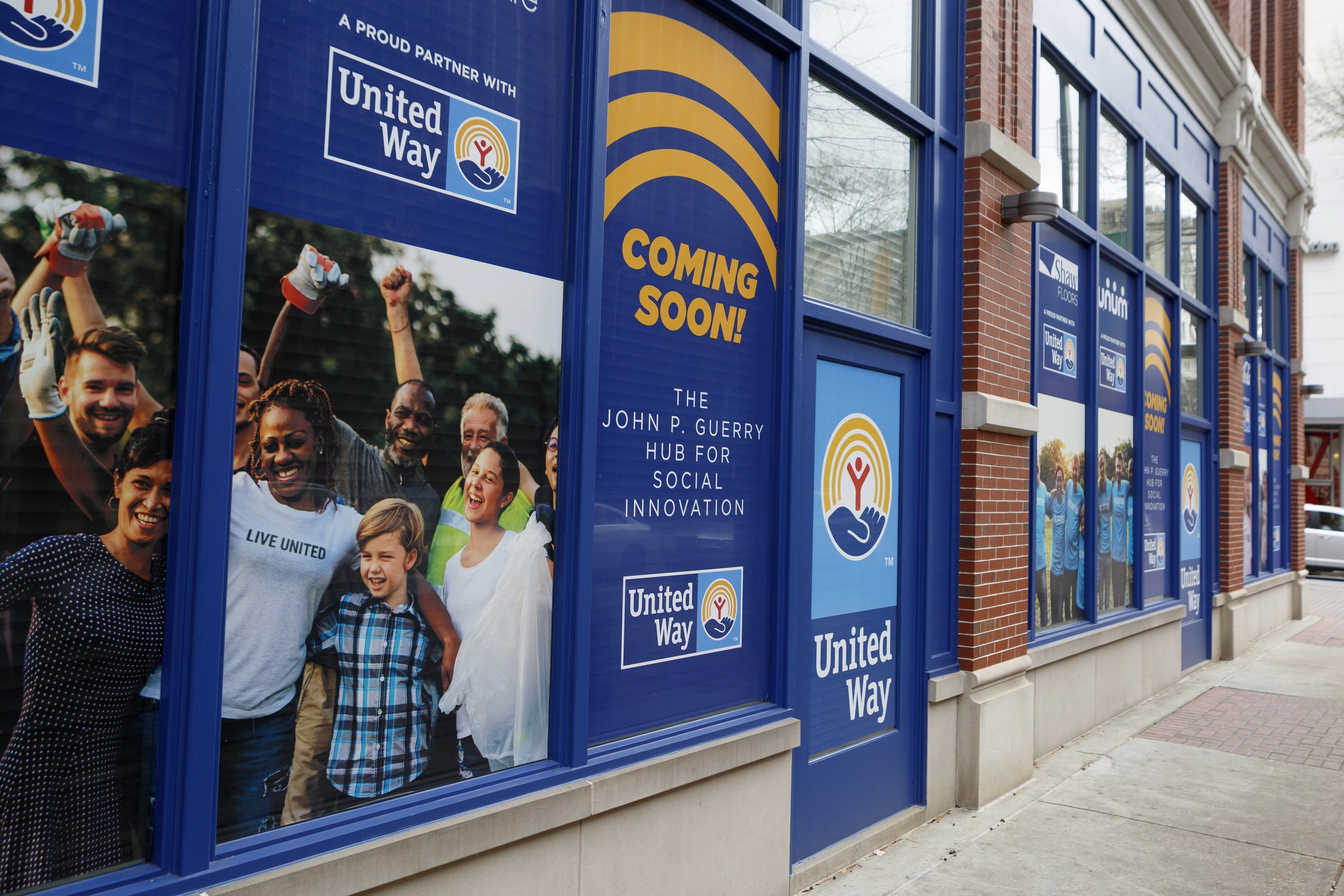 Staff file photo / The United Way’s John P. Guerry Hub for Social Innovation is seen downtown in 2019. Thanksgiving marks the beginning of the Ochs Community Fund campaign, which was renamed this year from the Neediest Cases Fund.