
WASHINGTON (AP) — President-elect Donald Trump is set to create a National Energy Council that he says will establish American “energy dominance” around the world as he seeks to boost U.S. oil and gas drilling and move away from President Joe Biden’s focus on climate change.
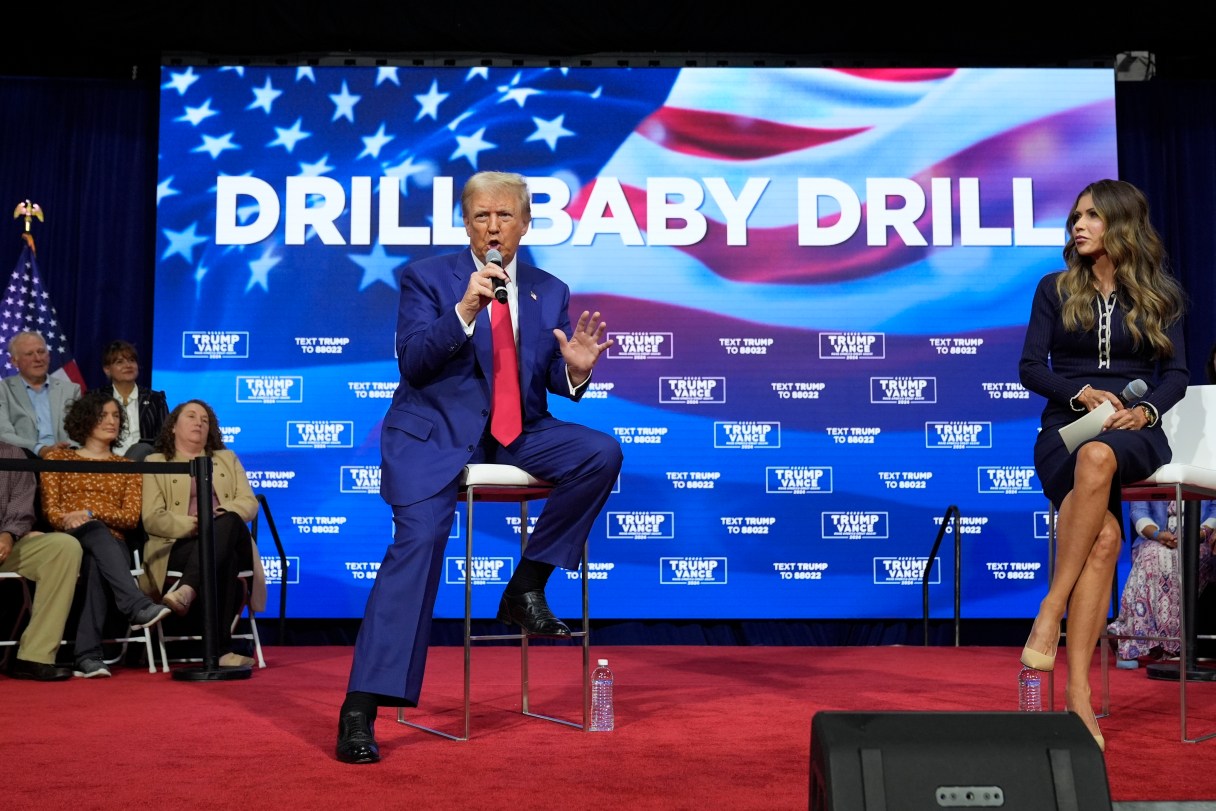
The energy council — to be led by North Dakota Gov. Doug Burgum, Trump’s choice to head the Interior Department — will be key in Trump’s pledge to “drill, drill, drill” and sell more oil and other energy sources to allies in Europe and around the globe.
The new council will be granted sweeping authority over federal agencies involved in energy permitting, production, generation, distribution, regulation and transportation, with a mandate to cut bureaucratic red tape, enhance private sector investments and focus on innovation instead of “totally unnecessary regulation,” Trump said.
But Trump’s energy wishes are likely to run into real-world limits. For one, U.S. oil production under Biden is already at record levels. The federal government cannot force companies to drill for more oil, and production increases could lower prices and reduce profits.
A call for energy dominance — a term Trump also used in his first term as president — “is an opportunity, not a requirement,” for the oil industry to move forward on drilling projects under terms that are likely to be more favorable to industry than those offered by Biden, said energy analyst Kevin Book.