
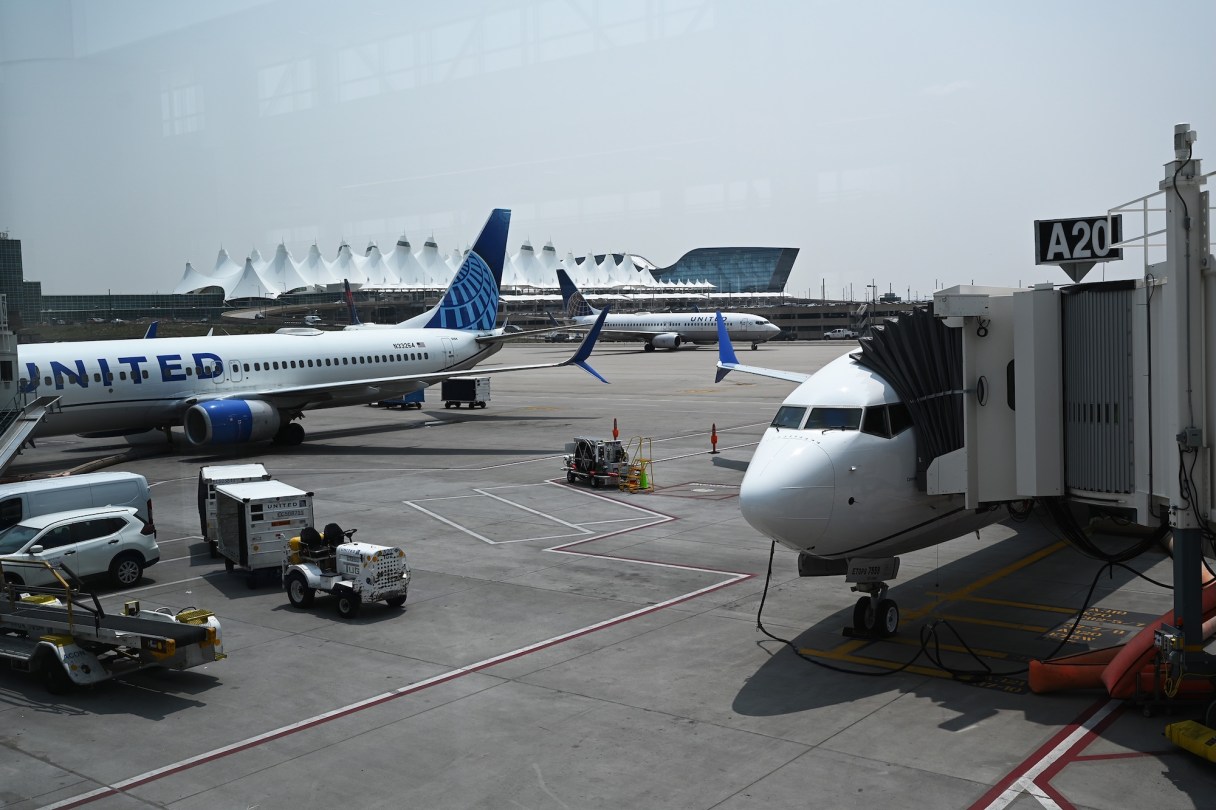
The National Transportation Safety Board followed its urgent safety alert last week about a potential Boeing 737 rudder failure by criticizing the Federal Aviation Administration for a desultory response to the risk and Boeing for not fully informing airlines in advance about the system that failed.
In an unusually strong public rebuke, NTSB Chair Jennifer Homendy in a letter Monday to FAA Administrator Mike Whitaker expressed concern that the FAA “did not take this issue more seriously” after an incident on a United Airlines 737 Max in February.
Homendy added she’s “disappointed” the FAA did not initiate “urgent actions to address the risk of jammed rudder controls” after the NTSB preliminary report on the incident was released six months ago.
“Equally concerning,” Homendy said, is that Boeing didn’t provide detailed information about the component that failed to United Airlines when it delivered the nine affected Maxes to its fleet.
United and its pilots were unaware that this component — an option the airline had not ordered — was nevertheless installed and mechanically connected to the rudder on the tail fin, which is used to steer the jet down the runway on landing.