
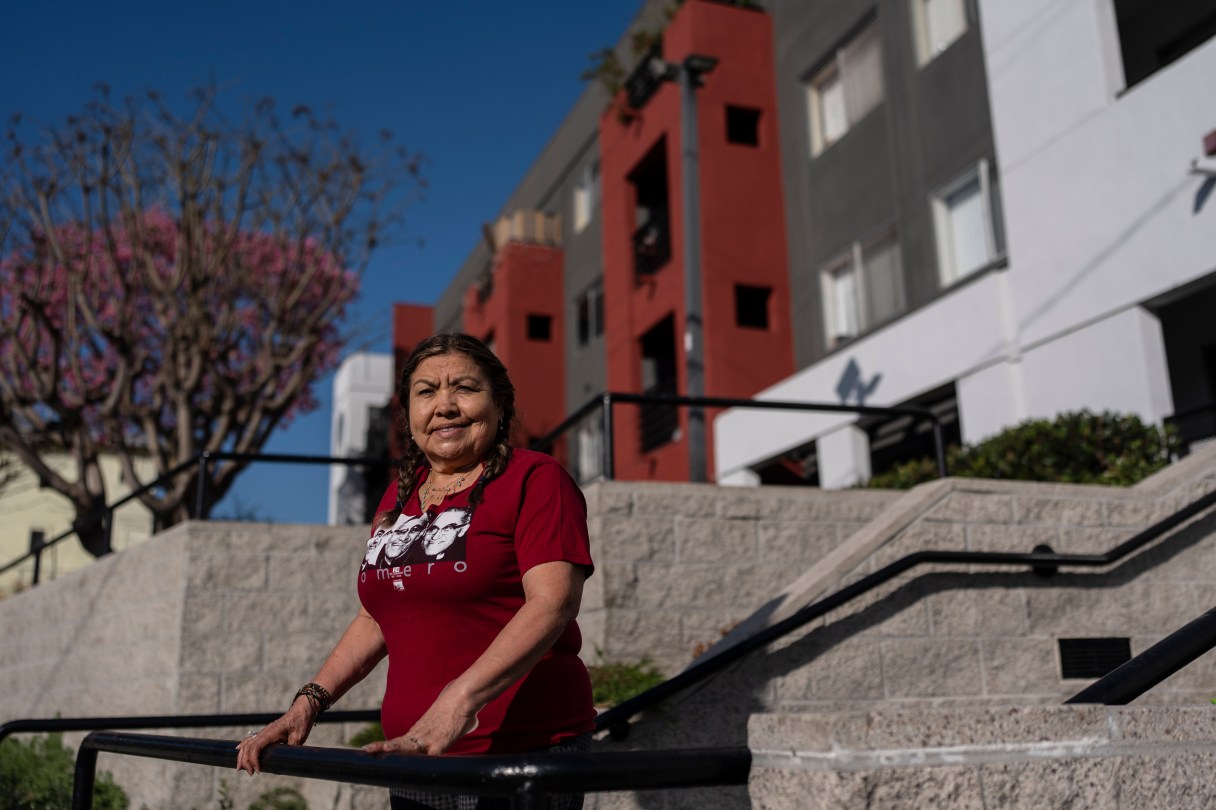
LOS ANGELES (AP) — For more than two decades, the low rent on Marina Maalouf’s apartment in a blocky affordable housing development in Los Angeles’ Chinatown was a saving grace for her family, including a granddaughter who has autism.
But that grace had an expiration date. For Maalouf and her family it arrived in 2020.
The landlord, no longer legally obligated to keep the building affordable, hiked rent from $1,100 to $2,660 in 2021 — out of reach for Maalouf and her family. Maalouf’s nights are haunted by fears her yearslong eviction battle will end in sleeping bags on a friend’s floor or worse.
While Americans continue to struggle under unrelentingly high rents, as many as 223,000 affordable housing units like Maalouf’s across the U.S. could be yanked out from under them in the next five years alone.
It leaves low-income tenants caught facing protracted eviction battles, scrambling to pay a two-fold rent increase or more, or shunted back into a housing market where costs can easily eat half a paycheck.