
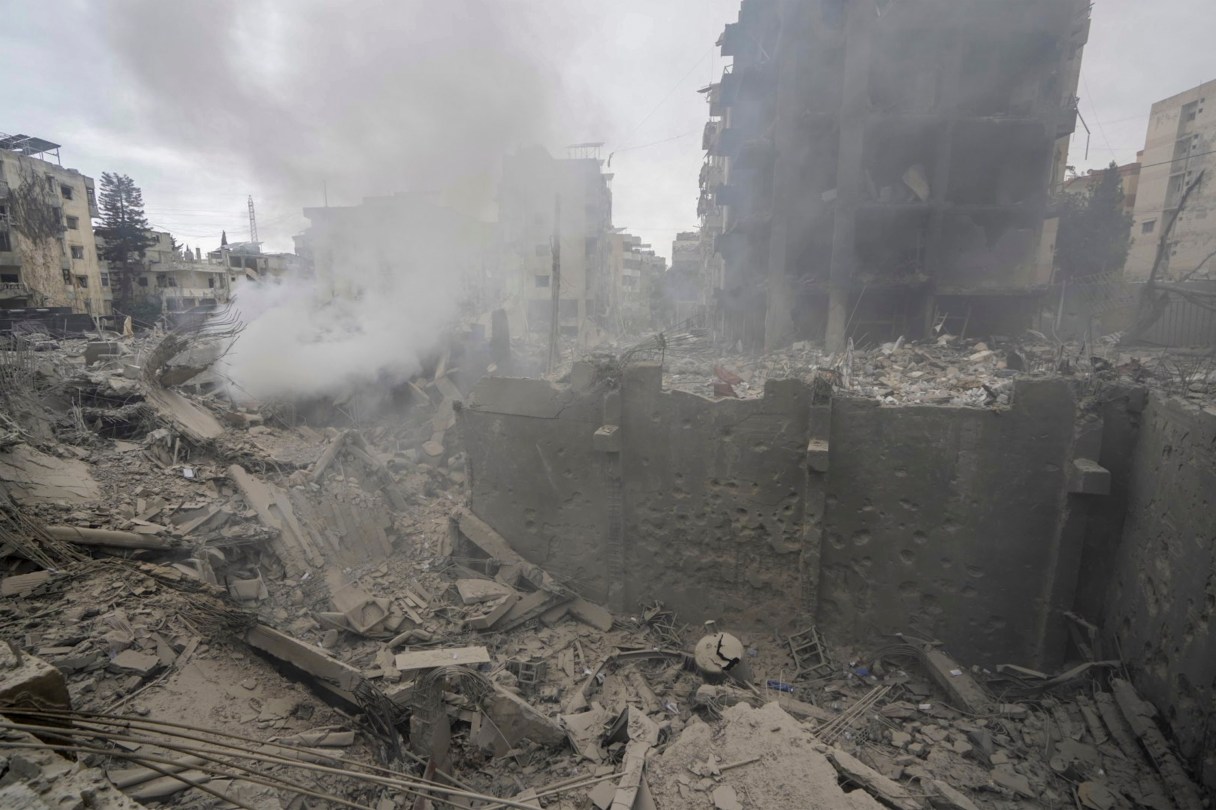
WASHINGTON (AP) — Israeli military strikes are targeting Iran’s armed allies across a nearly 2,000-mile stretch of the Middle East and threatening Iran itself. The efforts raise the possibility of an end to two decades of Iranian ascendancy in the region, to which the 2003 U.S. invasion of Iraq inadvertently gave rise.
In Washington, Tel Aviv and Jerusalem, and Arab capitals, opponents and supporters of Israel’s offensive are offering clashing ideas about what the U.S. should do next, as its ally racks up tactical successes against Hezbollah in Lebanon and the Houthis in Yemen and presses its yearlong campaign to crush Hamas in Gaza.
Israel should get all the support it needs from the United States until Iran’s government “follows other dictatorships of the past into the dustbin of history,” said Richard Goldberg, a senior adviser at Washington’s conservative-leaning Foundation for the Defense of Democracies — calls echoed by some Israeli political figures.
Going further, Yoel Guzansky, a former senior staffer at Israel’s National Security Council, called for the Biden administration to join Israel in direct attacks in Iran. That would send “the right message to the Iranians — ‘Don’t mess with us,”’ Guzansky said.
Critics, however, highlight lessons from the U.S. military campaign in Iraq and toppling of Saddam Hussein, when President George W. Bush ignored Arab warnings that the Iraqi dictator was the region’s indispensable counterbalance to Iranian influence. They caution against racking up military victories without adequately considering the risks, end goals or plans for what comes next, and warn of unintended consequences.