
Rumors and lies about government responses to natural disasters are not new. Politics, misinformation and blame-shifting have long surrounded government response efforts.
When Hurricane Harvey hit Houston in 2017, for example, rumors and misinformation both originated from and were spread by government, news and individual user accounts on social media. And after Hurricane Sandy in 2012, rumors about the storm were so widespread that even CNN’s live coverage of the event was inaccurate.
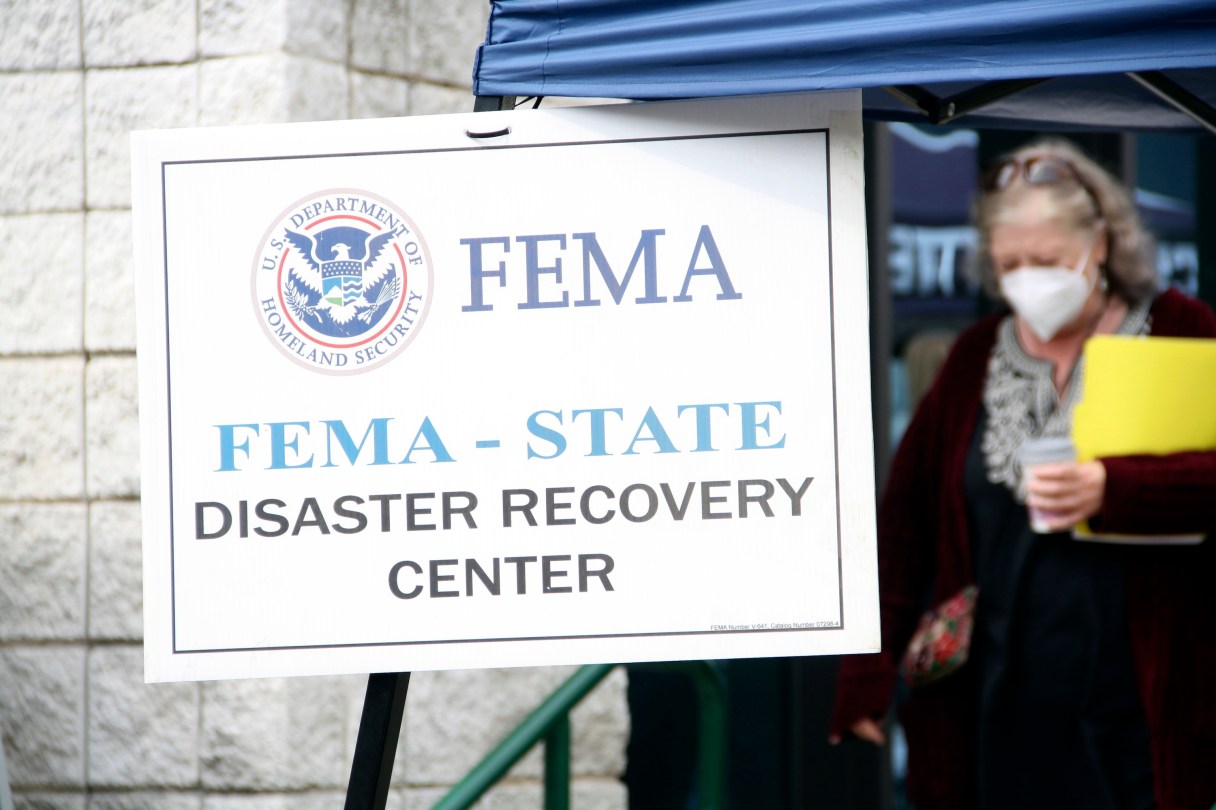
Those rumors don’t usually come from former presidents. Yet in the wake of hurricanes Helene and Milton, former President Donald Trump spread falsehoods about the federal government’s response to the disaster. Misinformation on the topic became so widespread that the Federal Emergency Management Agency set up a webpage to debunk the rumors.
President Joe Biden responded angrily and suggested Trump’s claims undermined the rescue and recovery work being done by local, state and federal authorities.
Disaster relief often becomes political because so many people are affected — and because there is a lot of media coverage surrounding hurricanes, floods and other major weather events. Additionally, relief requires a lot of money and coordination by high-profile elected officials.