
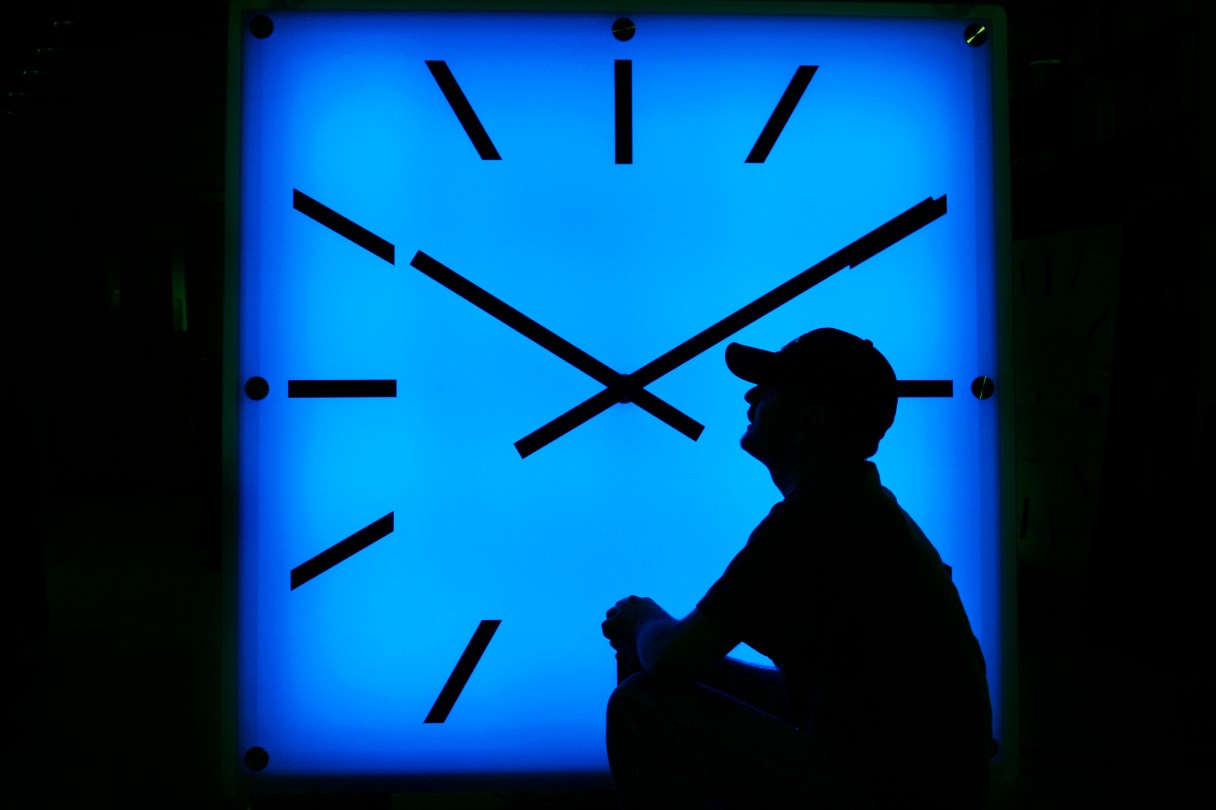
The good news: You will get a glorious extra hour of sleep. The bad: It’ll be dark as a pocket by late afternoon for the next few months in the U.S.
Daylight saving time ends at 2 a.m. local time next Sunday, Nov. 3, which means you should set your clock back an hour before you go to bed. Standard time will last until March 9 when we will again “spring forward” with the return of daylight saving time.
That spring time change can be tougher on your body. Darker mornings and lighter evenings can knock your internal body clock out of whack, making it harder to fall asleep on time for weeks or longer. Studies have even found an uptick in heart attacks and strokes right after the March time change.
“Fall back” should be easier. But it still may take a while to adjust your sleep habits, not to mention the downsides of leaving work in the dark or trying exercise while there’s still enough light. Some people with seasonal affective disorder, a type of depression usually linked to the shorter days and less sunlight of fall and winter, may struggle, too.
Some health groups, including the American Medical Association and American Academy of Sleep Medicine, have said it’s time to do away with time switches and that sticking with standard time aligns better with the sun — and human biology.