
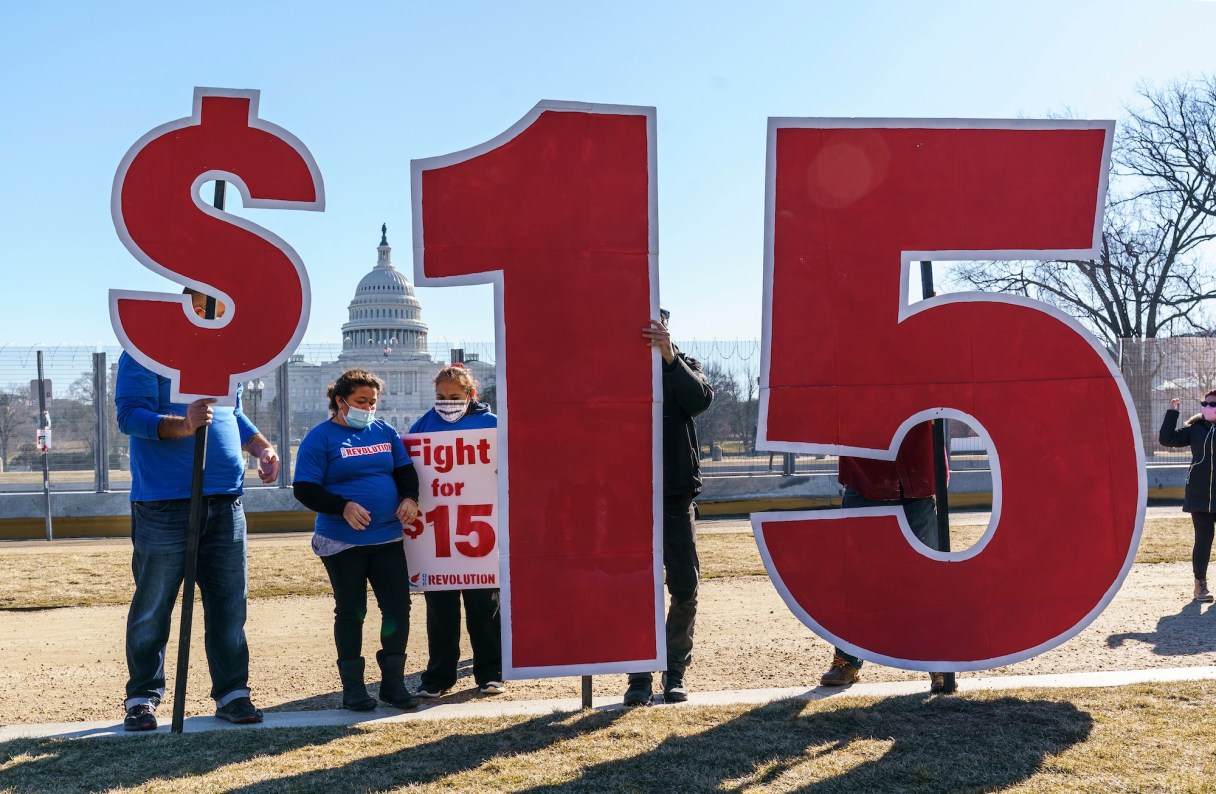
It’s been 15 years since workers earning the federal minimum wage got a raise. The cost of living has gone up more than 45% since then, with rents and home prices rising faster than incomes in most regions of the country. Yet the nation’s wage floor has stayed stuck at $7.25 an hour.
That is poverty pay, and an increase to the federal minimum wage is long overdue. It’s mind-boggling that Congress has gone so long without making even modest adjustments to help the lowest-paid workers. This is the longest stretch of time without an increase to the federal minimum wage since President Franklin D. Roosevelt signed the Fair Labor Standards Act in 1938, which established the right to a minimum wage.
Certainly, there have been some attempts to lift the wage floor. Most recently, Democrats floated the Raise the Wage Act of 2023 that would have gradually increased minimum pay to $17 by 2028. Republicans countered with $11 phased in over four years. Neither proposal has moved forward.
As part of her economic plan, Vice President Kamala Harris has called on Congress to send her a bill raising the minimum wage. She supported $15 an hour during the 2020 election, but hasn’t named a number this time.
Donald Trump, not surprisingly, has sent conflicting messages on raising the minimum wage over the years. In 2016, he said he wanted to raise the federal rate to at least $10, but later said minimum wage hikes should be left to the states, which is effectively what’s happening now.