
Millions of American seniors who worked hard to pay off their homes and live debt-free may still face difficulty making ends meet. For many of these homeowners, a reverse mortgage could make sense assuming they fully understand the costs and tradeoffs.
Unfortunately, the sharp increase in mortgage interest rates over the past three years has rendered these arrangements less attractive by lowering the maximum amount available to cash out. However, with the prospect of lower mortgage rates ahead in 2025, reverse mortgages could be back on the table for many senior homeowners needing some extra cash.
The concept is quite simple but may be unfamiliar to some. With a traditional 30-year home loan, buyers make equal monthly payments sufficient to pay off the loan amount plus interest over the life of the loan. The borrower’s equity in the home increases as the loan principal balance declines until the homeowner holds the property outright on the day they burn the mortgage.
The sizeable home equity held by many seniors can be accessed by re-borrowing against the collateral with a home equity loan or a cash-out refinancing, but these avenues obligate the borrower to resume making monthly debt service payments.
A reverse mortgage allows the homeowner to tap some of that equity tax-free without any monthly payments as long as they remain in the home. Interest accrues each month, so unlike a traditional mortgage, a reverse mortgage balance grows over time. Once the last surviving borrower dies or sells the property, the balance becomes payable. This accrued loan balance can simply be paid off or deducted from the proceeds of a sale of the home. Any remaining equity is retained by the homeowners if they sell the property or passes to their heirs.
There are strict rules and higher costs than a traditional loan, but they can provide relief for borrowers with substantial expenses from medical bills or insufficient retirement income.
The inspiration for what became the reverse mortgage came in 1961 in Portland, Maine. Following the death of his high school football coach, a banker at Deering Savings and Loan devised a mechanism for the coach’s widow to remain in the couple’s home and borrow against the equity without incurring monthly payments. The idea came to the attention of academic researchers at University of California – Los Angeles, the University of Pennsylvania and the Wisconsin Board on Aging, which further developed the concept. Other banks began creating one-off versions as aging homeowners expressed increasing interest.
With growing consumer demand, disparity in product offerings and reports of abusive or deceptive practices, members of Congress advocated for a standardized product that would be regulated and insured by the Federal Housing Administration. In 1988, President Ronald Reagan signed the Housing and Community Development Act establishing a set of regulations for a specific type of reverse mortgage called a home equity conversion mortgage. The next year, the first Federal Housing Administration-insured home equity conversion mortgage was issued to a homeowner in Fairway, Kansas.
While proprietary reverse mortgages that are not housing administration-insured still exist, the vast majority are the government-sponsored home equity conversion mortgage variety.
To qualify for a reverse mortgage, borrowers must be at least age 62, live in the home as their primary residence and own more than 50% of the equity. Eligible properties include single family homes, 2- to 4-unit homes occupied by the owner, and Federal Housing Administration-approved condominiums and manufactured housing units.
Borrowers can choose from a fixed-rate lump sum loan or select among variable rate options including a line of credit, fixed monthly payments for a certain period or their lifespan or some combination. A home equity conversion mortgage can even be used to buy a home with a sufficiently large down payment.
The Federal Housing Administration limits the amount a homeowner can borrow based on a formula that factors in age, appraised value of the home and the current level of interest rates up to a maximum of 60% of the home’s value. Reverse mortgage interest rates are typically higher than conventional loans and there are substantial fees including origination fees, mortgage insurance premiums and monthly servicing fees.
Borrowers must also participate in a consumer education session offered by an Federal Housing Administration-approved counselor before signing the paperwork and demonstrate the ability to continue paying ongoing expenses like maintenance, taxes, insurance and HOA fees. Failure to do so can result in foreclosure.
The 2010s were the sweet spot for reverse mortgages with generationally low mortgage rates. As they gave way to sharply higher rates in recent years, reverse mortgages lost some of their appeal due to decreased borrowing limits. For example, a 70-year-old couple who own a home worth $325,000 (the median price in Chattanooga) could have borrowed $187,000 or 57% of their equity in 2019. Today, with mortgage rates in the high 6% range, their maximum cash-out would be $104,000 or 32%.
With the Federal Reserve poised to ease in September and mortgage rates slowly retreating, homeowners are likely to find more favorable terms in 2025, including a bigger available borrowing limit and less interest over the life of the agreement.
A federally insured reverse mortgage is a viable and safe option for many homeowners with substantial equity but limited cash flow, provided borrowers understand the tradeoffs including diminishing or erasing the value of the home to their heirs. These tools are not for everyone, but in the right circumstance can be a lifesaver and will likely be even more attractive next year if you can hang on.
Christopher A. Hopkins, CFA, is a co-founder of Apogee Wealth Partners in Chattanooga.
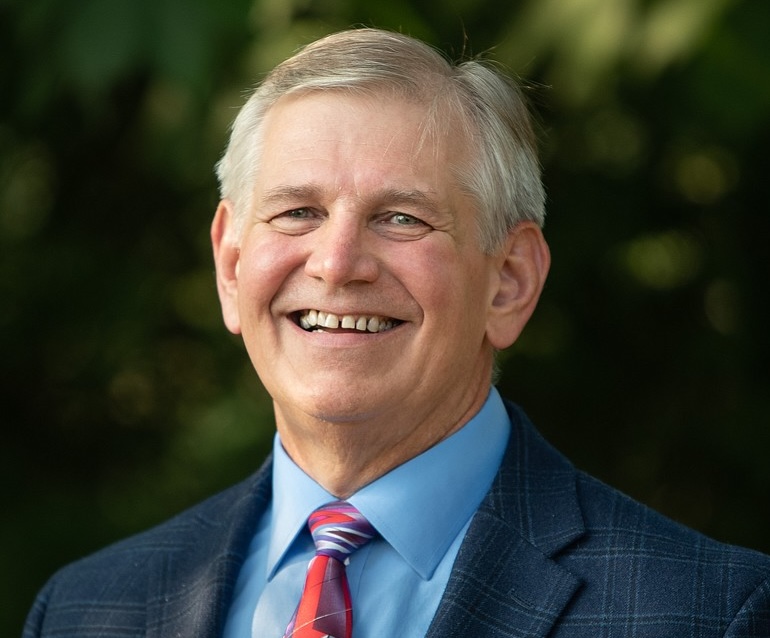 Christopher A. Hopkins