
Thursday, November 12, 2026Nov 12

First positive measles case found in Tennessee since 2019

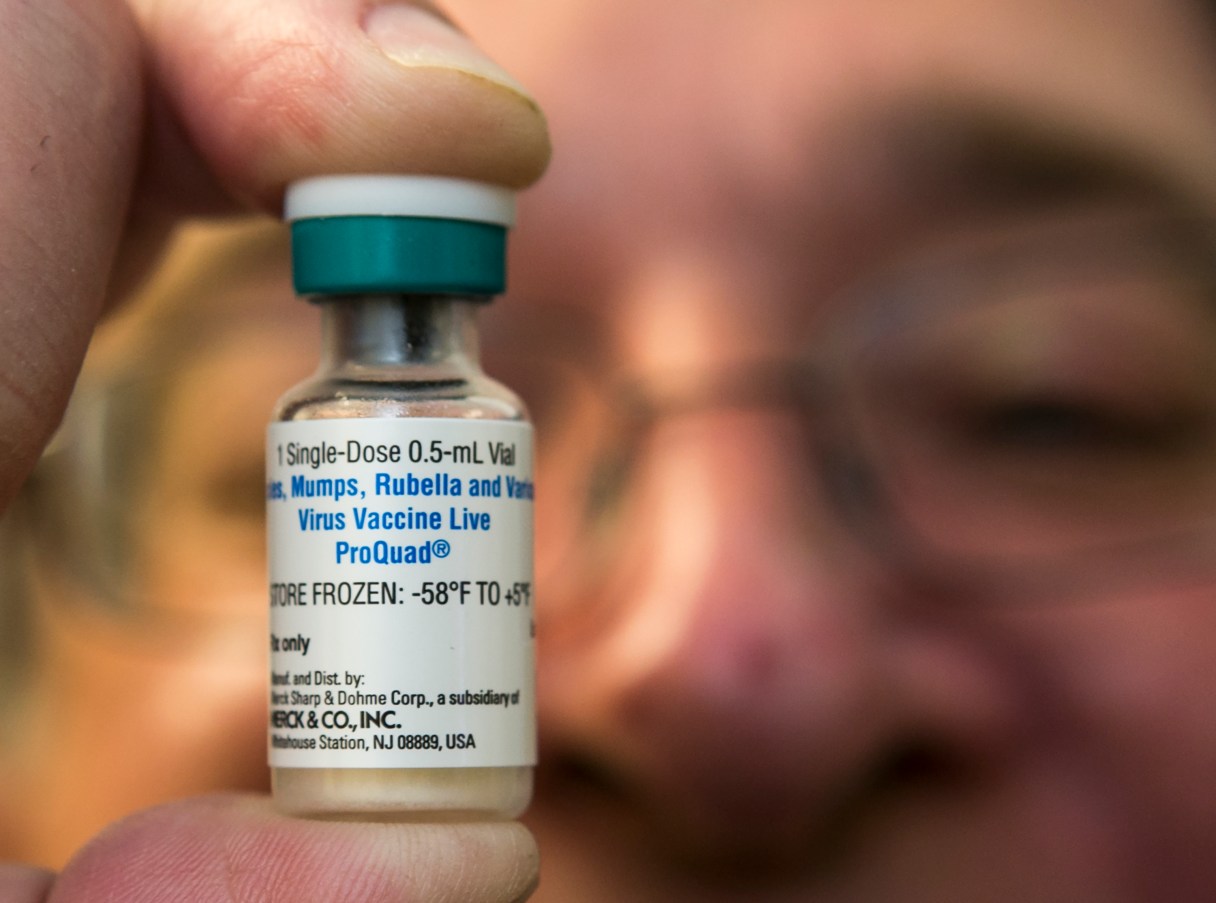
In this Jan. 29, 2015, photo, a pediatrician holds a dose of the measles-mumps-rubella vaccine at his practice in Northridge, Calif. Vaccinations can cause minor side effects, including redness at the injection site and sometimes mild fever, but medical experts say serious complications are rare and much less dangerous than the diseases that vaccines prevent. (AP Photo/Damian Dovarganes)
In this Jan. 29, 2015, photo, a pediatrician holds a dose of the measles-mumps-rubella vaccine at his practice in Northridge, Calif. Vaccinations can cause minor side effects, including redness at the injection site and sometimes mild fever, but medical experts say serious complications are rare and much less dangerous than the diseases that vaccines prevent. (AP Photo/Damian Dovarganes) In this Jan. 29, 2015, photo, a pediatrician holds a dose of the measles-mumps-rubella vaccine at his practice in Northridge, Calif. Vaccinations can cause minor side effects, including redness at the injection site and sometimes mild fever, but medical experts say serious complications are rare and much less dangerous than the diseases that vaccines prevent. (AP Photo/Damian Dovarganes)

Tennessee reported its first case of the measles virus in 2024, which has swept through states nationwide.

The case was found in a Tennessee resident, who recently traveled internationally but spent time in Kentucky during the infectious period, according to a Tennessee Department of Health news release. The resident is now recovering from the viral disease, though no other details are available about the case.

The Tennessee Department of Health has not identified any additional positive measles cases within the state.

(READ MORE: US measles cases are up in 2024. What’s driving the increase?)

Measles is a vaccine-preventable, acute viral disease in which symptoms start to appear between eight and 12 days after exposure, according to the Tennessee Department of Health. Rashes begin about 14 days after exposure, while the virus is characterized by a cough, runny nose, conjunctivitis and a fever gradually rising to 103 degrees or higher.