
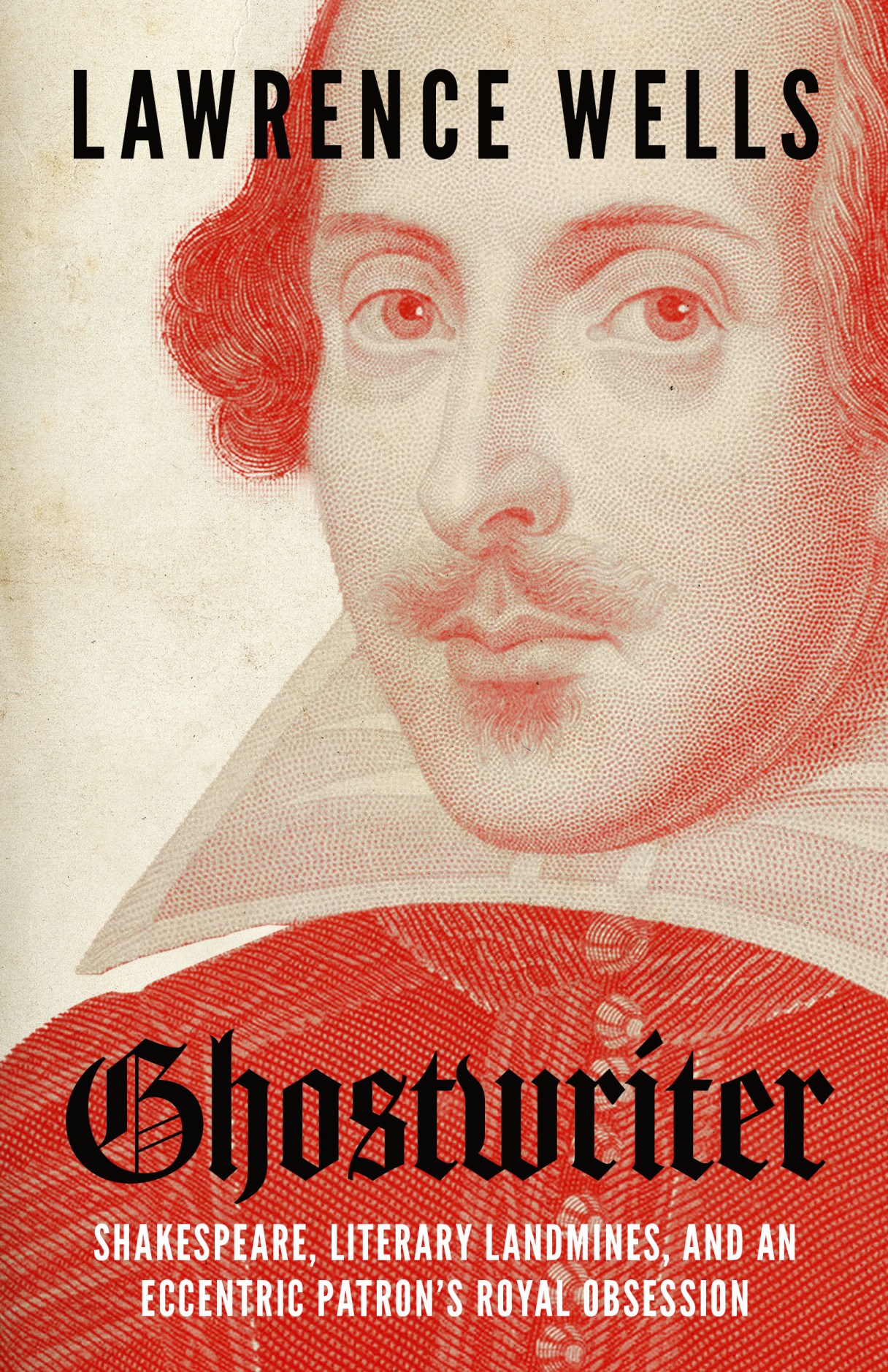
“GHOSTWRITER: SHAKESPEARE, LITERARY LANDMINES AND AN ECCENTRIC PATRON’S ROYAL OBSESSION” by Lawrence Wells (The University Press of Mississippi, 216 pages, $28).
“FAIR YOUTH” by Lawrence Wells (Sanctuary Editions, an imprint of Yoknapatawpha Press, 248 pages, $25).
In “Ghostwriter,” author and publisher Lawrence Wells describes how, in early 1987, he found himself embarking on an improbable journey. The University of Mississippi approaches him about serving as ghostwriter for a university benefactor who has pledged to fund a performing arts center in return for help with her pet project. Regarding the subject of the book, the vice chancellor for university affairs asks Wells how he feels about the Earl of Oxford, and Wells replies, “You mean Faulkner?” To which the vice chancellor responds with a grin, “No, the other one.”
The William Faulkner reference is both funny and pertinent, not only because most things in the vicinity of Oxford, Mississippi, eventually tend to circle back to that giant of American letters, but also because Wells was married to Faulkner’s niece and adoptive daughter, Dean Faulkner Wells. “Ghostwriter” is haunted, in a good way, by both the ghost of Shakespeare (whoever he was) and the spirit of Faulkner, which makes for a predictably winning combination.
The benefactor in question, septuagenarian Gertrude C. Ford (whom Wells refers to as “Mrs. F”) wishes to write a book on the Shakespeare authorship debate, with her beloved Edward de Vere, the 17th Earl of Oxford, featured as the true and indisputable playwright. Wells describes their initial introduction: “‘Nice to meet cha, Doctah Wells,’ says Mrs. F. I am the fourth ghostwriter she has hired. As if prepared to be disappointed, she stands sideways in fencing position, one foot pointed at me. En garde! Frizzy hair dyed uniformly brown, mouth a slash of red, she’s Old South aristocracy.”