
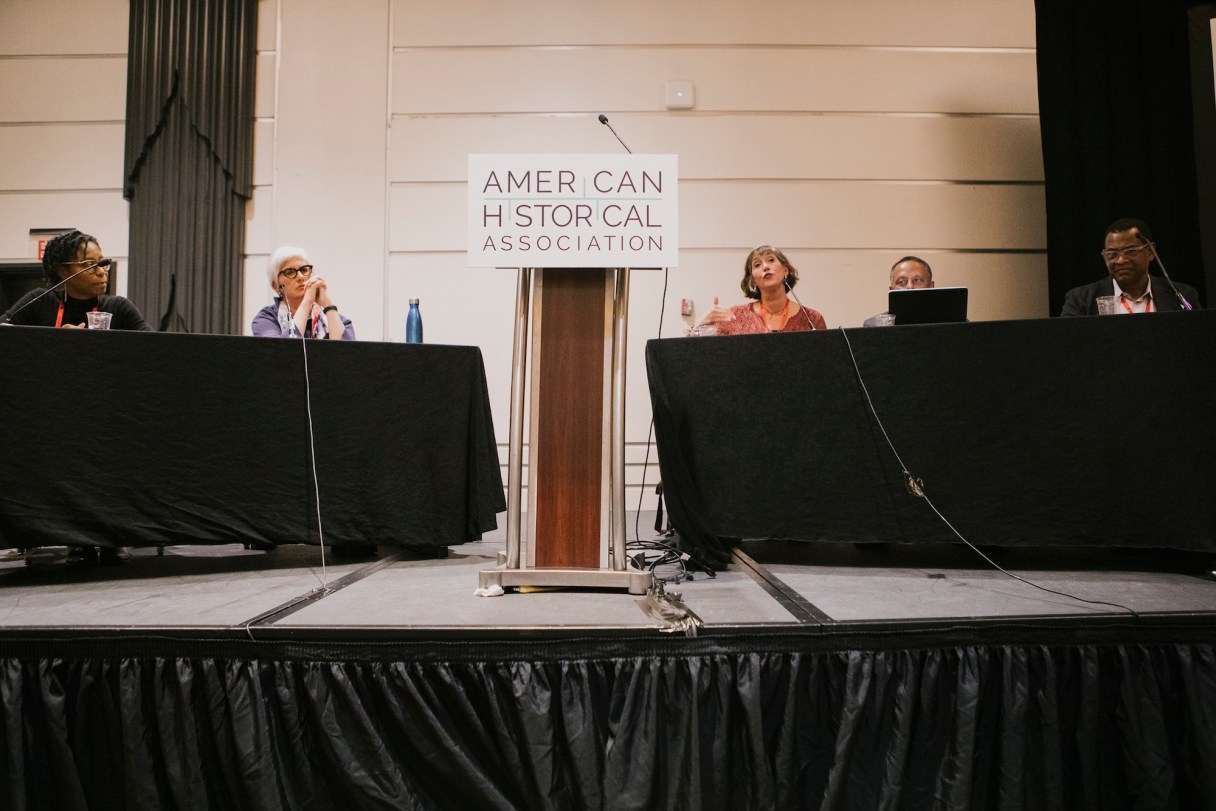
This week the world’s largest history organization is hosting a congressional briefing in Washington to share its findings from a two-year study that looked at, among other areas, the teaching methods of the country’s educators.
It’s not going to be pretty.
The American Historical Association is calling the report “the most comprehensive study of secondary U.S. history education undertaken in the 21st century.” It identifies the events of 2020 as the impetus for this review, calling the year one of “contentious debate over history education” that has “generated outrage, wild claims, and a growing sense of alarm in homes and communities across the country.”
The pandemic that hit in early 2020 was devastating, and the presidential election at the end of 2020 was consequential to say the least. But history may very well show that the events of that year that reshaped America most were the killings of George Floyd, Breonna Taylor and Ahmaud Arbery.
Much of the country didn’t even know about Juneteenth or the Tulsa massacre until protests sparked by these three killings forced this nation to have deeper conversations about race relations and our past. Collective ignorance has held us back.