
WASHINGTON (AP) — In the early days of the Great Depression, Rep. Willis Hawley, a Republican from Oregon, and Utah Republican Sen. Reed Smoot thought they had landed on a way to protect American farmers and manufacturers from foreign competition: tariffs.
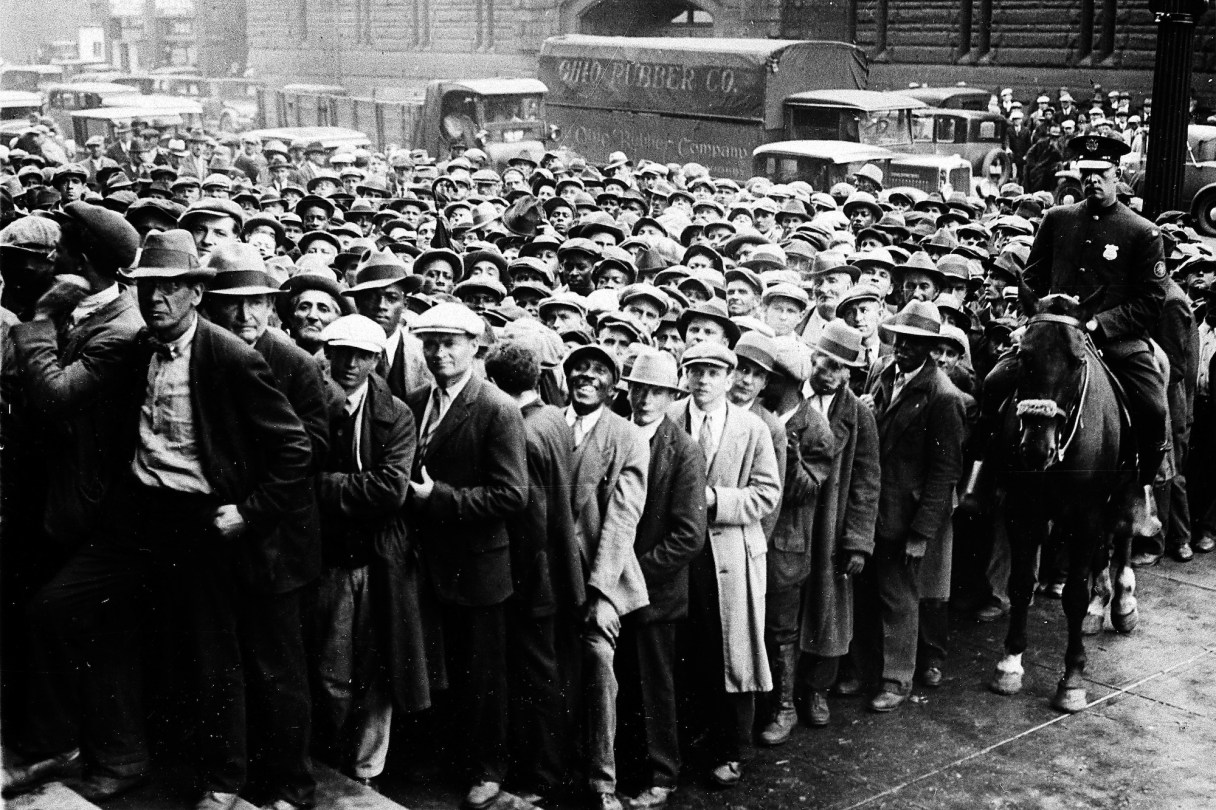
President Herbert Hoover signed the Smoot-Hawley Tariff Act in 1930, even as many economists warned that the levies would prompt retaliatory tariffs from other countries, which is precisely what happened. The U.S. economy plunged deeper into a devastating financial crisis that it would not pull out of until World War II.
Most historians look back on Smoot-Hawley as a mistake that made a bad economic climate much worse. But tariffs have a new champion in President Donald Trump.
Like Trump, Hoover was elected largely because of his business acumen. An international mining engineer, financier and humanitarian, he took office in 1929 like an energetic CEO, eager to promote public-private partnerships and use the levers of government to promote economic growth.
“Anyone not only can be rich, but ought to be rich,” he declared in his inaugural address before convening a special session of Congress to better protect U.S. farmers with “limited changes of the tariff.”