
A 35-year resident of Chattanooga’s Westside, Cassandra Robinson injected a shot of energy into the crowd as soon as she took the microphone.
“Good morning, good morning, good morning!” she boomed, prompting a response from the audience. “We do not have no dry bones up in here. Let’s give ourselves a round of applause for this awesome groundbreaking day. This is the day that the Lord has made, and we shall rejoice in it. We shall rejoice in it. This did not come overnight. I have been out here on this trail for 35 long years.”
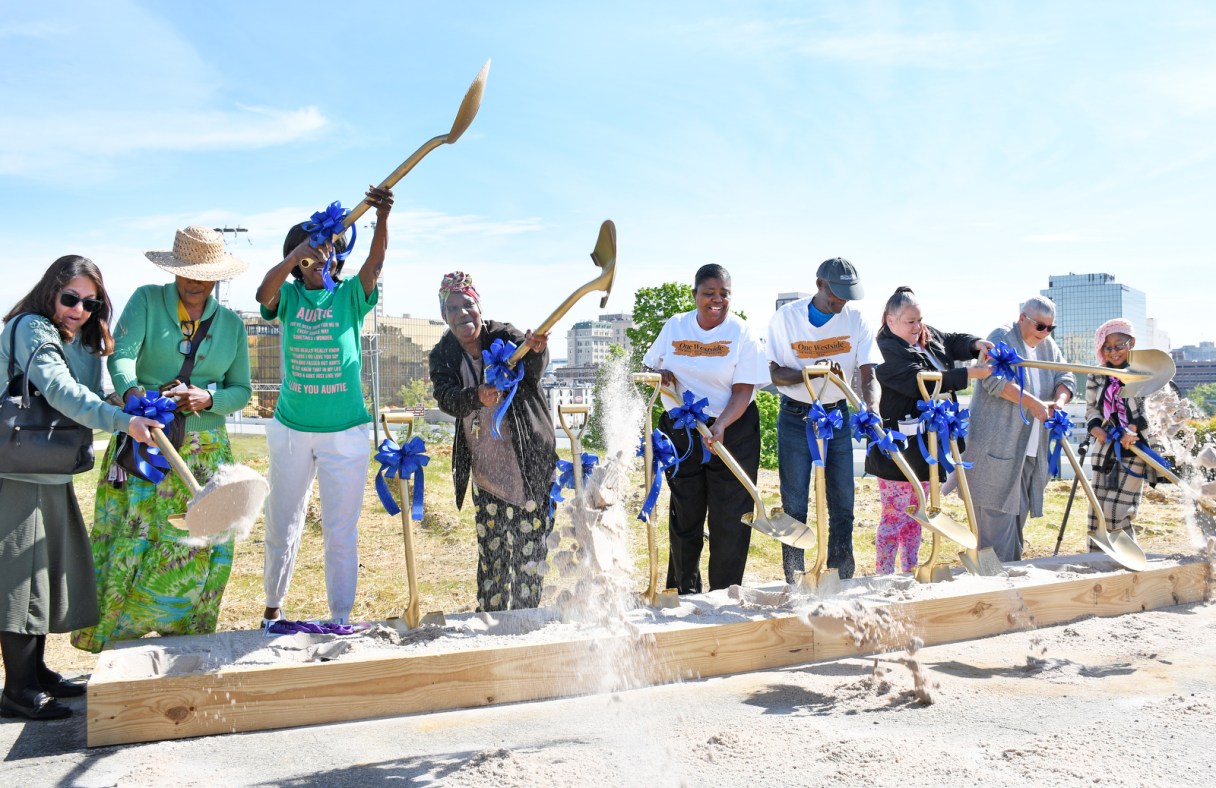
Sitting atop a hill with the city’s skyline in the background, residents and local officials marked the start of construction Thursday on a vast remake of the Westside community. A new 230-unit apartment complex will go up on 5 acres of land at 501 W. 12th St., which previously held the now-demolished Youth and Family Development Center. The $89 million project will consist of a mixture of one-, two- and three-bedroom apartments and wrap up in late 2026.
(READ MORE: Feds award $50 million to revitalize Chattanooga’s Westside neighborhood)
It’s the first of seven phases that will ultimately result in 1,126 new housing units in the neighborhood by 2032. Crews will fully replace 629 obsolete units of public housing at College Hill Courts and Gateway Towers. No existing residents will be displaced by the project, according to the Chattanooga Housing Authority, because the units will become available to tenants as they’re constructed.
230-unit complex in Chattanooga’s Westside marks start of neighborhood rehab
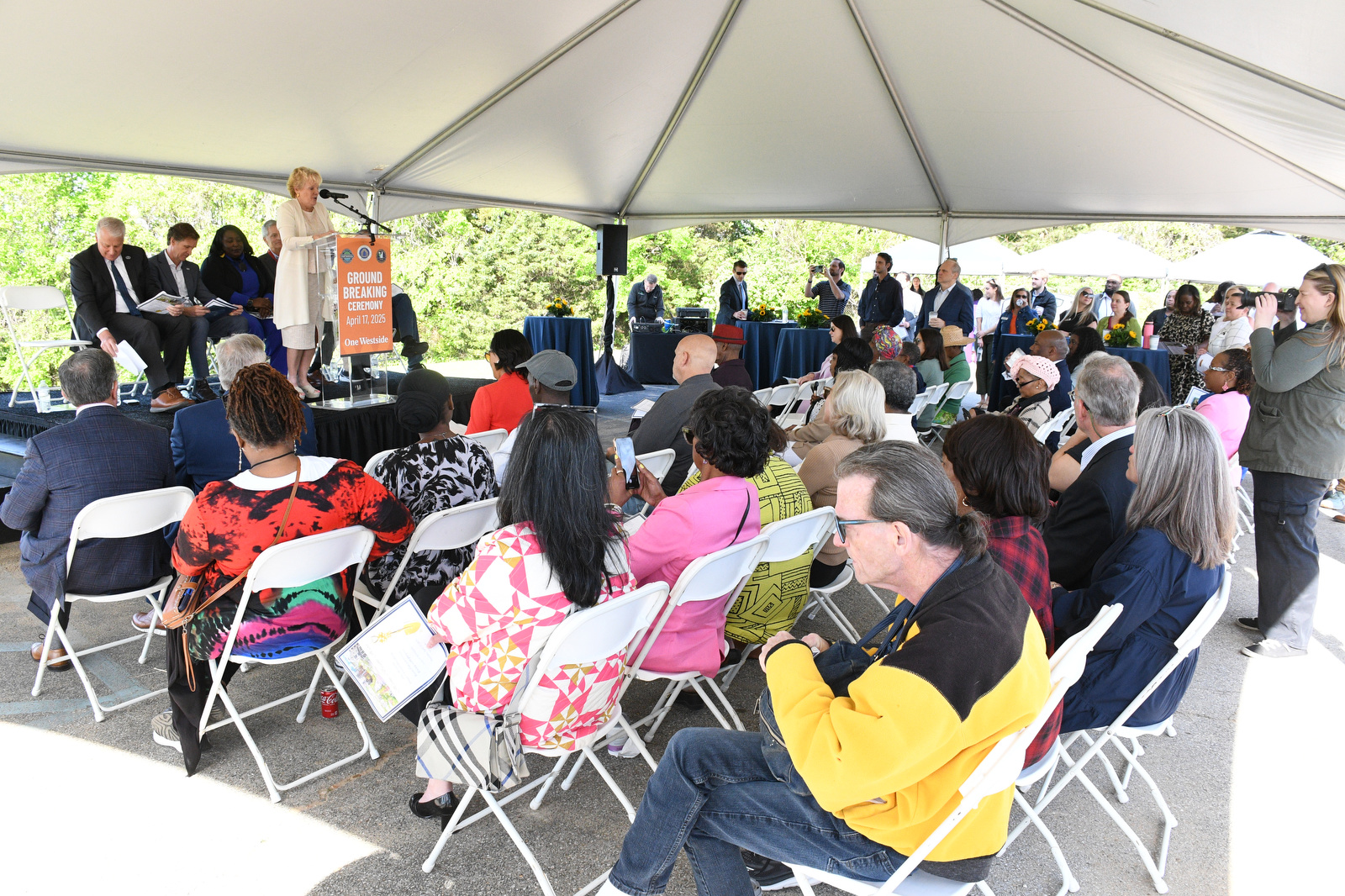
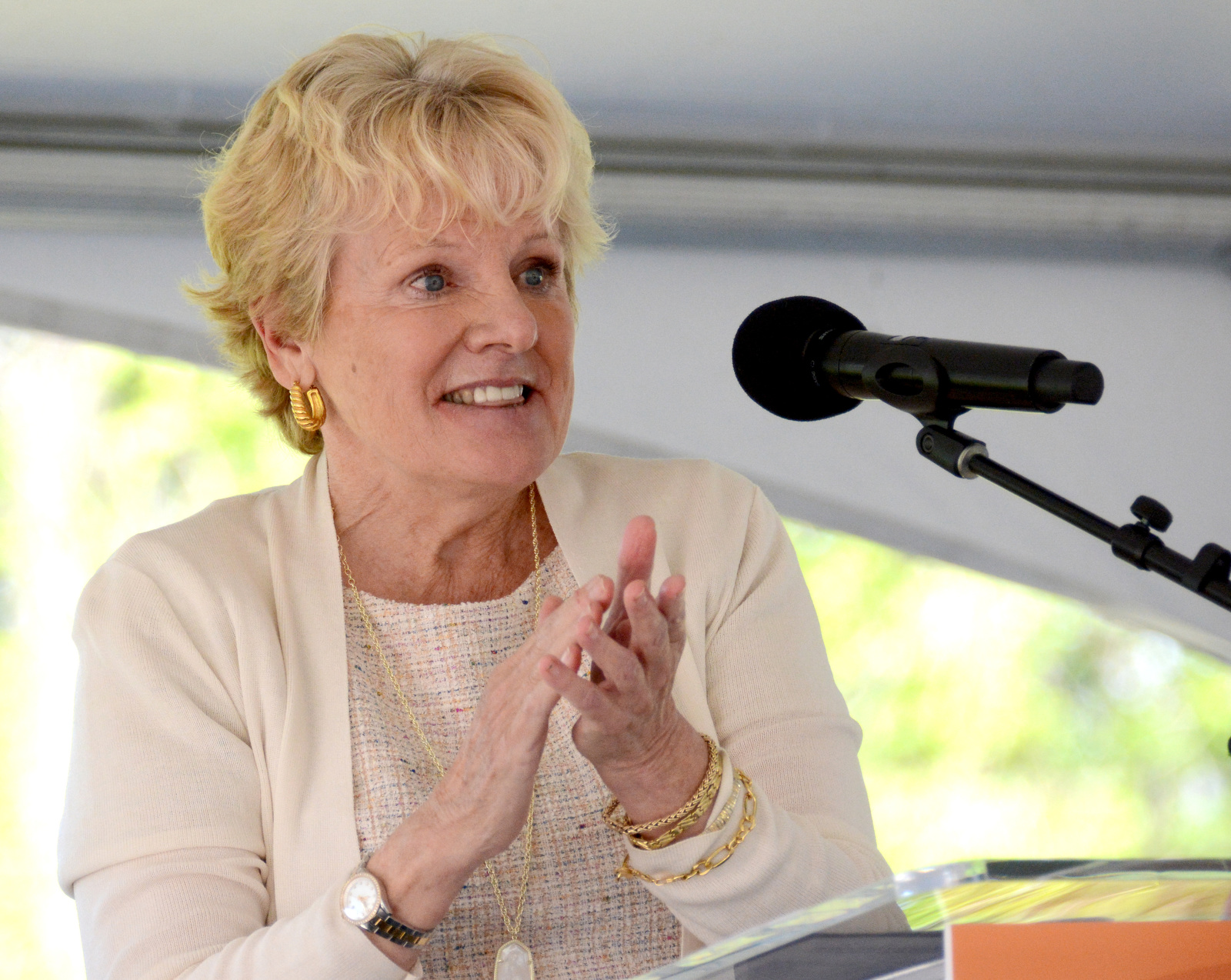
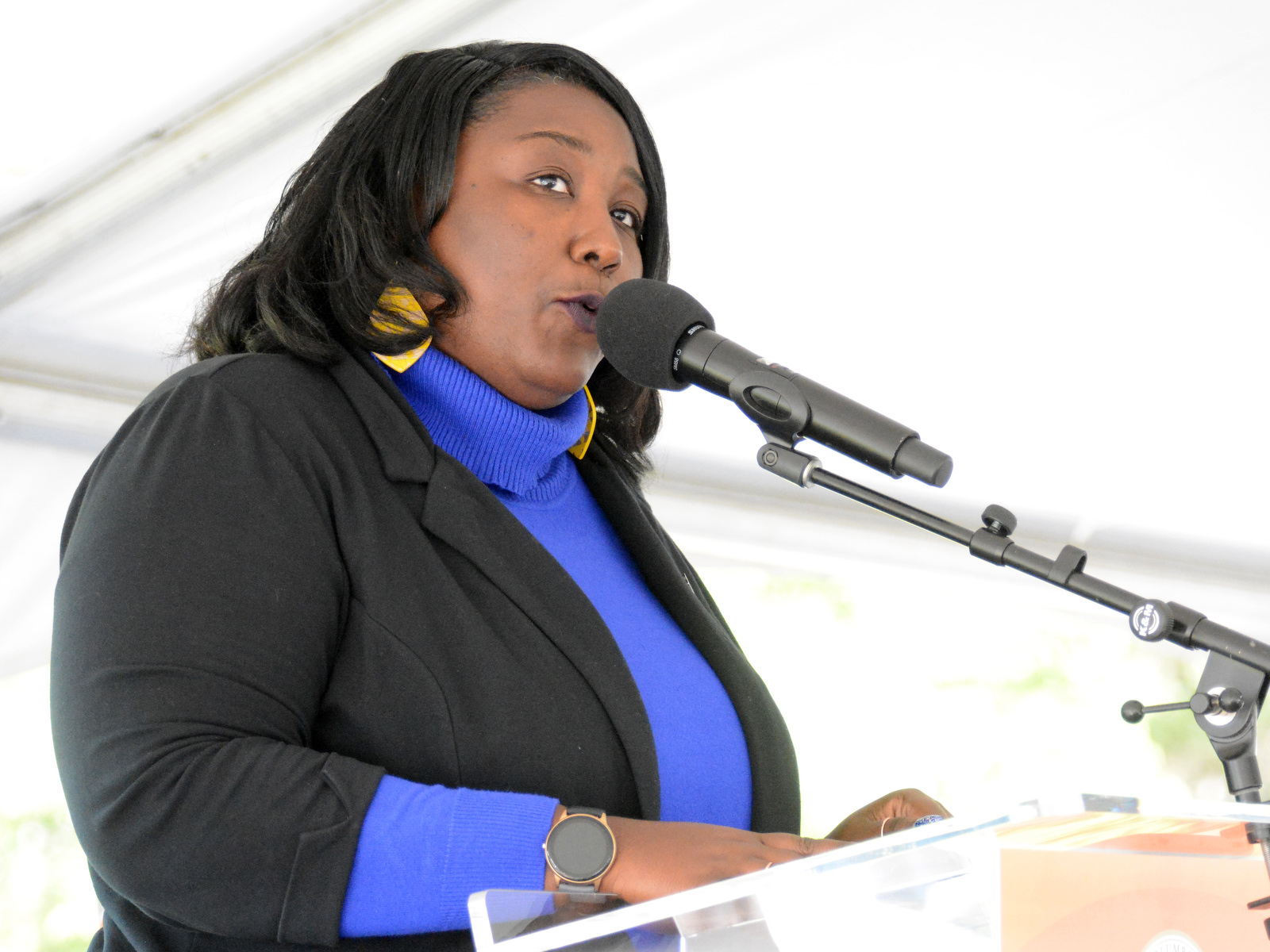
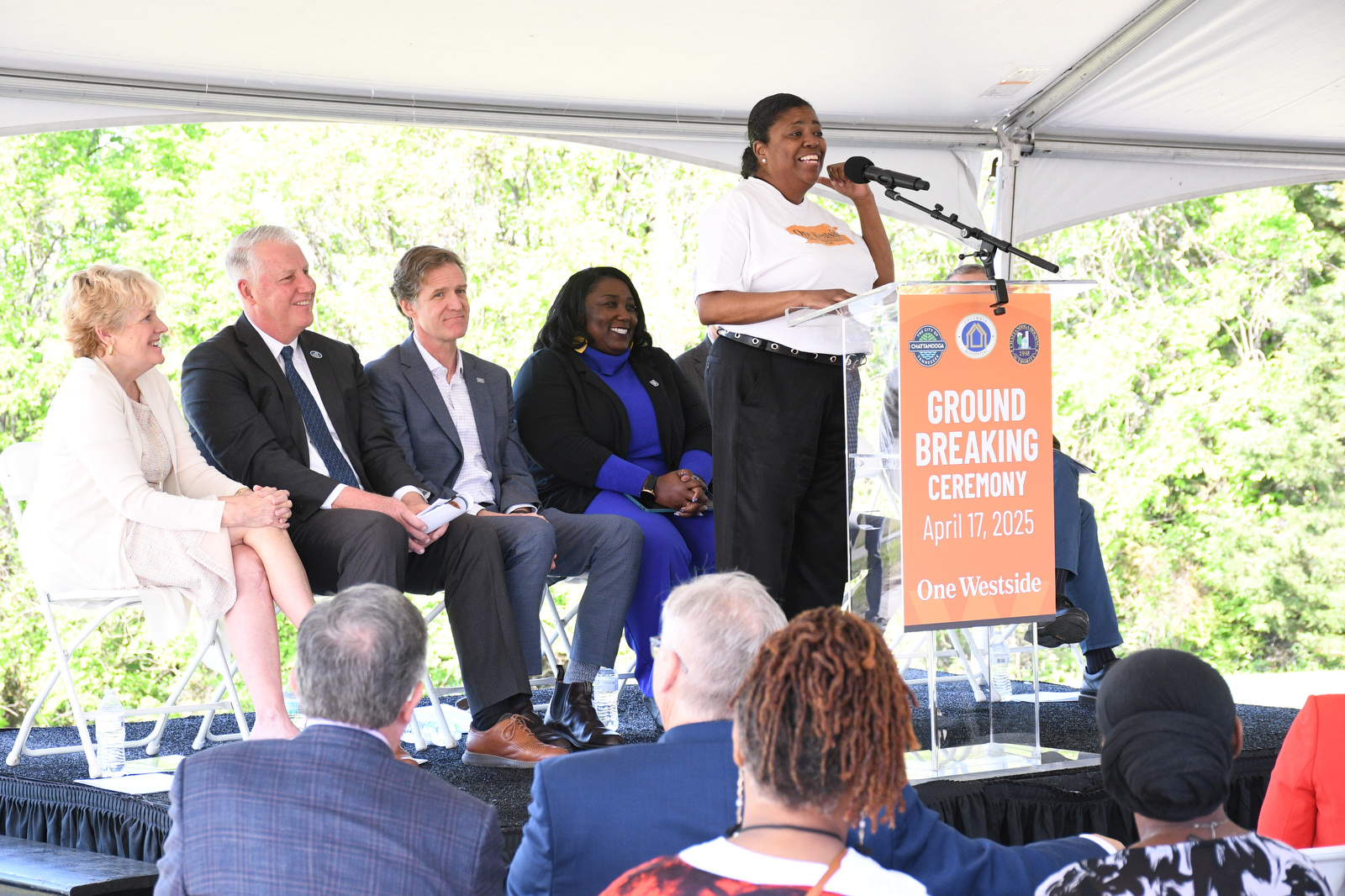
“This project represents a shared dream,” Betsy McCright, executive director of the Chattanooga Housing Authority, told the crowd Thursday. “It’s been shaped by the voices and ideas of Westside residents from the very start. Their input helped to guide this vision, making sure that the new community honors the area’s history and meets the real needs of the real people who will live here.”
Of the 230 apartments, 92 will be reserved for residents of College Hill Courts and 138 will be available at various levels of affordability, including 60% and 80% of area median income and at market rate. The median household income in Chattanooga is about $62,500, 60% of which would be $37,500.
The median income in the Westside is less than $12,000, and the neighborhood has a violent crime rate twice that of the city, according to an overview of the project published in November 2021.
Robinson has raised three kids at College Hill Courts, which was originally constructed in 1940 and is the oldest complex in the Chattanooga Housing Authority’s portfolio. It hasn’t always been safe in the Westside, Robinson said, but she considers it home. At one time, she said, federal funding was available for programs in the neighborhood, but that eventually disappeared.
“Once they cut a lot of the federal grant money, all our resources dwindled away,” she said in an interview. “It was nothing for us to do, nothing for the kids to do. So a lot of things had dried up and, and then a lot of people started moving out, dying off. Things just went away.”
Robinson is grateful for the renewed attention officials are giving to the community. Many units only have washing machines and don’t have dryers, she said. They also don’t come with central air and heat.
“We want new amenities,” Robinson said. “We want to be able to live comfortably.”
Early in the pandemic, the Housing Authority and residents went door-to-door to survey the community on the revitalization project, asking them what they wanted for their future.
As the plans developed, Chattanooga City Council Member Raquetta Dotley of East Lake said she kept wondering if officials were still delivering what residents requested. She asked the Housing Authority to return to the community and survey people again.
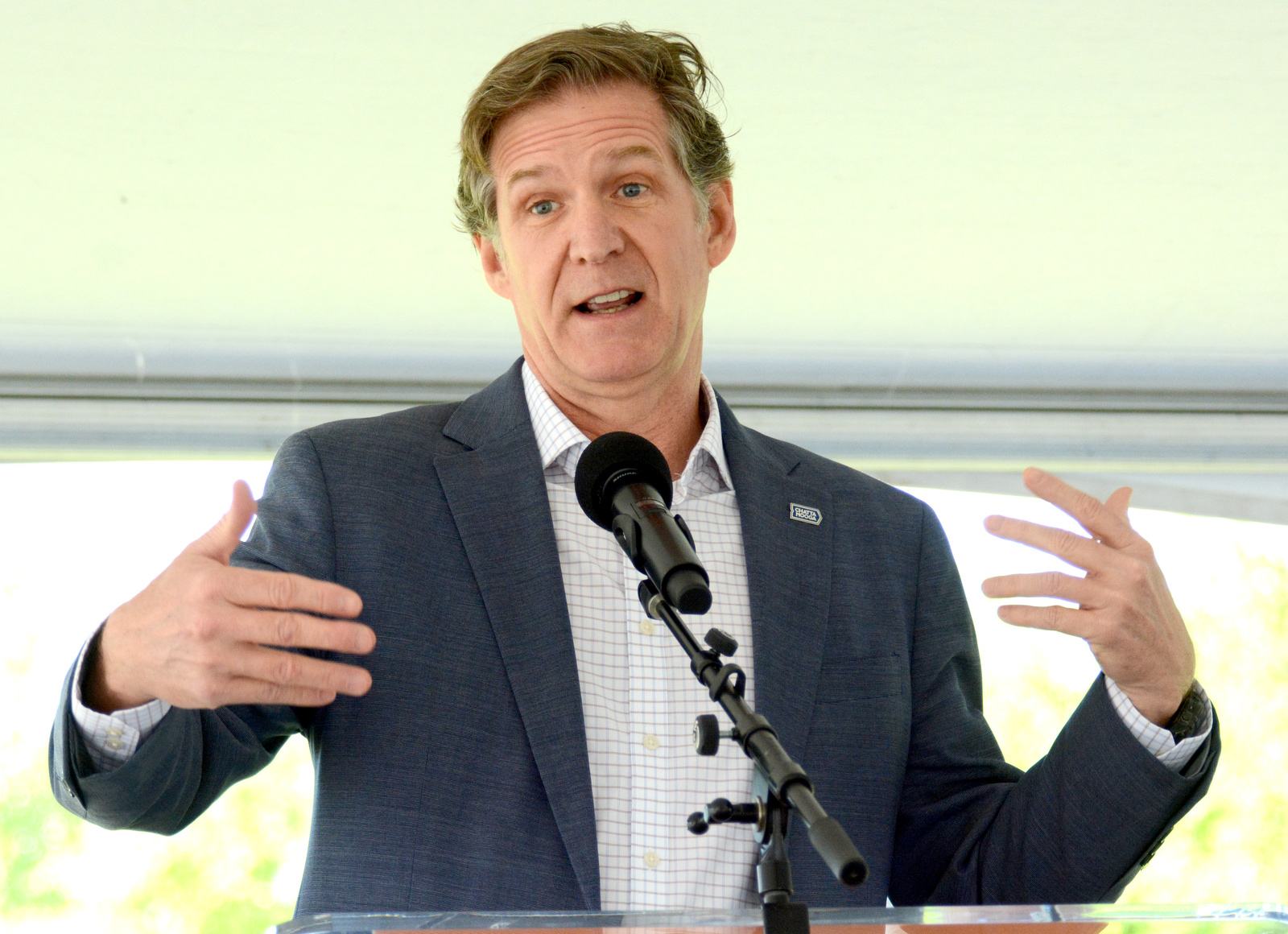
“To my surprise, and to their credit, they did, and did it very well and very swiftly,” Dotley, who represents the neighborhood, told the crowd. “That follow-through matters because it shows respect for the residents and accountability to the promises that were made. This development isn’t just about buildings; it’s about trust. It’s about partnership and people.”
The next phase of construction will be 144 units off Boynton Drive, 66 of which will be reserved for College Hill Courts residents. Officials expect that project will begin in January.
Last summer, officials celebrated the first phase of upgrades to the James A. Henry building, a former elementary school in the center of the neighborhood that will turn into a community hub.
The renovations will create 117 Head Start seats at the building. The new Head Start will replace a smaller program previously housed at the Youth and Family Development Center. Head Start is an early learning program for low-income children ages 8 weeks to 5 years.
(READ MORE: Residents in Chattanooga’s Westside eager for redevelopment, worry about crime)
Over the course of four phases, officials expect the James A. Henry property will ultimately include a 4,400-square-foot health clinic, a gymnasium and community center on the northern side, upgrades to nearby Sheila Jennings Park and additional parking, McCright said. She has said those four phases will take approximately five years to complete.
“That’s a four-stage process,” she said in an interview. “We have not yet secured all of the funding for Phase 2, so there’s a little bit of a gap. We had hoped to start that right at the end of finishing Phase 1, but we’re working on some challenges with raising the money.”
Robinson plans to remain in the community as construction continues and hopes residents take full advantage of the resources flowing back into the Westside.
“It’s time,” Robinson said. “If we’re going to be movers, let’s shake something. … The ground has been shook. Let’s take advantage.”
Contact David Floyd at dfloyd@timesfreepress.com or 423-757-6249.