
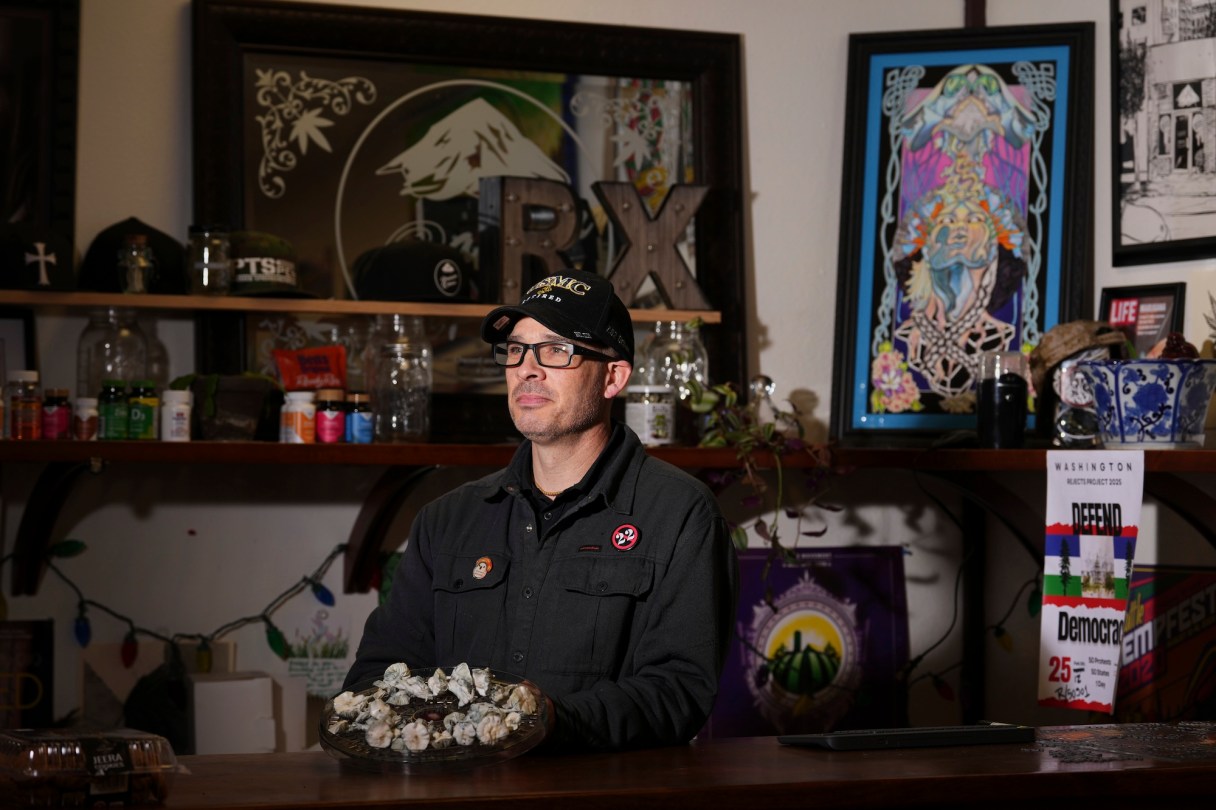
Microdosing is gaining popularity with a new breed of health seekers. These self-experimenters take a very small amount of psilocybin mushrooms or LSD to try to reduce anxiety, stress and depression. Some claim the practice gives them access to joy, creativity and connection they can’t get otherwise.
This isn’t a full-blown acid trip — or even close. If you see visions, it’s not a microdose. People who microdose don’t do it every day. Instead, they take tiny doses intermittently, on a schedule or when they feel it could be beneficial.
One small study suggests any psychological benefits come from users’ expectations — the placebo effect. But the science is still new and research is ongoing.
The substances are illegal in most places, but the wave of scientific research focused on the benefits of supervised hallucinatory experiences has spurred Oregon and Colorado to legalize psychedelic therapy. Further opening the door to microdosing, a handful of cities have officially directed police to make psychedelics a low priority for enforcement.
What are people who microdose reporting?